Why do grid code checks now sit at the center of renewable integration solutions?

Grid code compliance used to appear near commissioning.
That sequencing no longer works for complex energy assets.
A renewable integration solutions grid code review now influences equipment selection, control logic, protection philosophy, and approval timing.
The pressure is strongest where fast power electronics meet strict network rules.
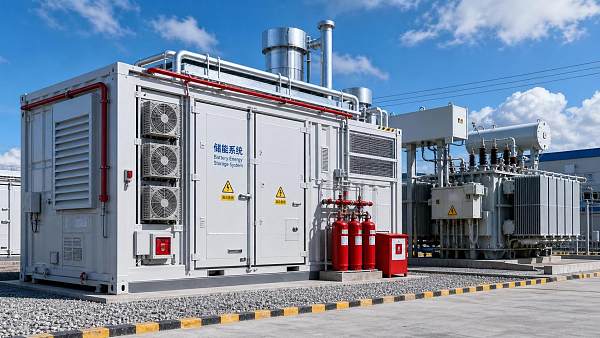
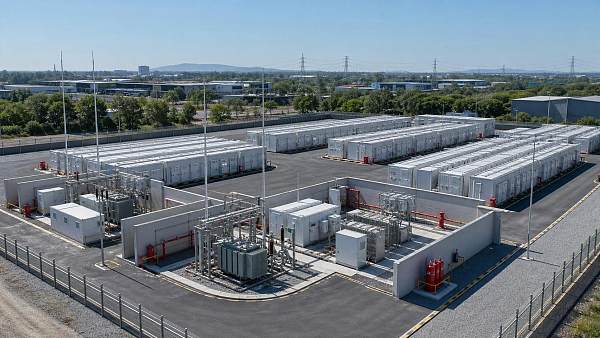
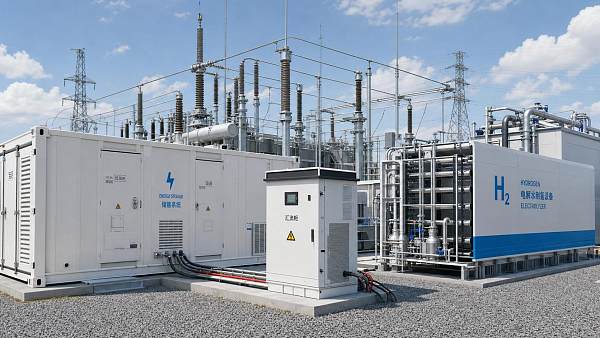
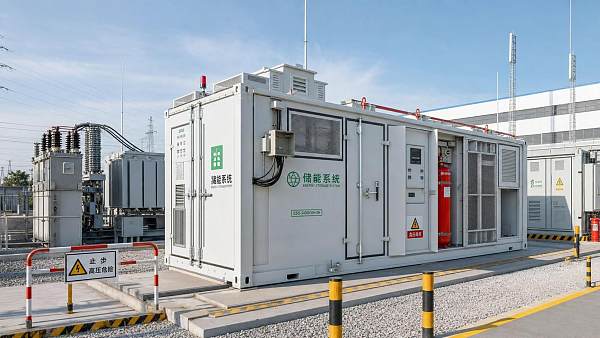
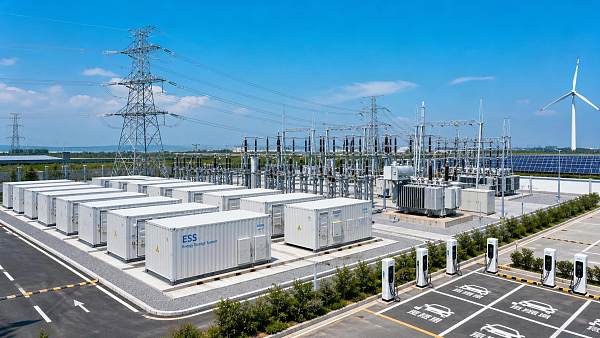
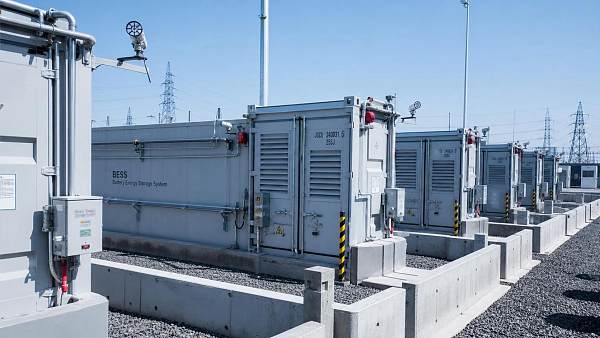
Think utility-scale BESS containers, UHV transmission interfaces, EV charging clusters, and hydrogen electrolyzers with variable loading profiles.
In practical terms, grid code checks answer a simple question.
Can this asset connect, stay stable during disturbances, and support the wider system when the grid is stressed?
That is why developers increasingly treat renewable integration solutions grid code work as a design discipline, not a paperwork exercise.
This is also where ESGS adds context.
Its coverage links battery thermal control, millisecond dispatch, UHV transmission, and Power-to-X loads into one operational picture.
The result is a more realistic view of compliance risk.
A passing test report alone does not guarantee smooth grid integration.
What exactly should a renewable integration solutions grid code check include?
Many teams ask for a checklist.
A better approach is to break the check into electrical behavior, control response, and compliance evidence.
The exact scope changes by country and voltage level, yet several items appear almost everywhere.
- Voltage ride-through performance during dips, swells, and short disturbances.
- Frequency response, including active power reduction or injection logic.
- Reactive power capability, power factor range, and voltage support mode.
- Protection coordination with grid relays, breakers, and plant-level controllers.
- Harmonic emissions, flicker, and power quality at the point of interconnection.
- Communication, telemetry, remote dispatch, and cybersecurity obligations.
- Model validation, simulation files, and witness test requirements.
For BESS, the check often extends beyond PCS performance.
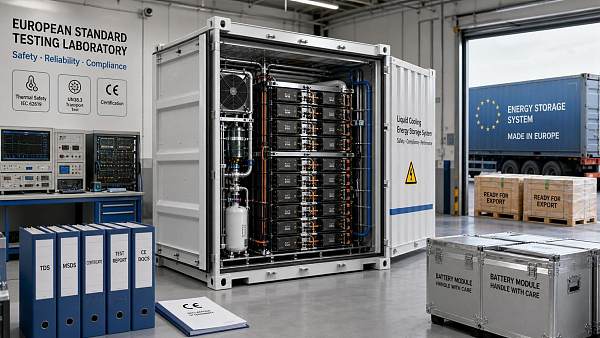
It may also touch thermal management constraints, emergency shutdown behavior, and fire-related operating limits.
For electrolyzers and EV charging hubs, ramping behavior matters more than many expect.
A large dynamic load can trigger new concerns around inrush, step changes, and local voltage stability.
The common mistake is treating all assets like solar inverters.
The operating signature is different, so the renewable integration solutions grid code review must follow the actual asset behavior.
Which systems usually face the toughest compliance path?
Not every project carries the same grid code burden.
Difficulty usually rises when the asset is large, fast-acting, weak-grid connected, or expected to provide ancillary services.
The table below helps frame the first-pass judgment.
The harder cases are often hybrid plants.
A solar-plus-storage site with EV charging and local hydrogen production can trigger overlapping code obligations.
In those projects, the renewable integration solutions grid code review should be plant-wide.
Checking each subsystem in isolation misses interaction effects.
This is especially important where a VPP layer or digital twin will later optimize dispatch.
Where do delays and redesigns usually begin?
They rarely begin in the final test yard.
More often, trouble starts when assumptions drift between design, OEM data, and interconnection studies.
One common example is inverter or PCS capability.
The sales specification may state a reactive power range.
The site model may assume the same range at all temperatures and state-of-charge conditions.
The real operating envelope is narrower.
That gap can force model resubmission and controller retuning.
Another frequent issue is fragmented ownership of compliance evidence.
Electrical studies sit with one consultant.
Protection settings sit with another.
Factory test data arrives from several vendors using different reference conditions.
The review body then sees inconsistency instead of a coherent compliance case.
ESGS often highlights this systems view.
Battery safety findings, dispatch algorithms, and asset economics cannot be separated from grid code choices.
For example, an aggressive revenue strategy may conflict with reserve margin needed for mandatory frequency support.
That is not just a market issue.
It becomes a renewable integration solutions grid code issue as soon as obligations are contractual.
How should teams compare standards, local rules, and OEM claims?
This question matters because “compliant” can mean different things.
A product may comply with a component standard but still fail a utility interconnection rule.
A test certificate may prove safety, not network behavior.
The most reliable comparison method is to separate four layers.
- Grid operator requirements for connection and ongoing performance.
- National or regional codes shaping ride-through and power quality rules.
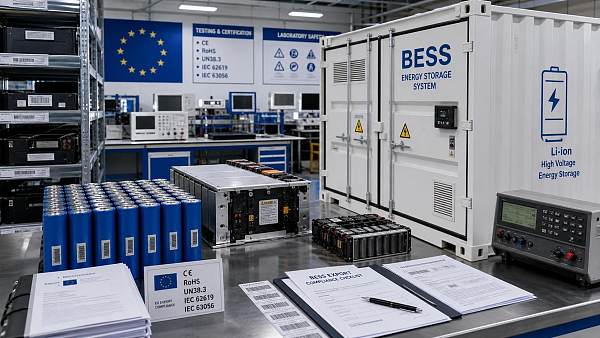
- Equipment standards such as IEC, IEEE, UL, and utility-specific protocols.
- OEM declarations, test reports, and validated simulation models.
The key is to map evidence upward.
Do not ask whether a battery container, transformer, charger, or electrolyzer is broadly compliant.
Ask whether its proven performance satisfies the exact renewable integration solutions grid code obligations at this connection point.
That wording changes procurement discussions immediately.
It also helps explain why UL 9540A, while critical for BESS risk management, does not replace dynamic grid studies.
Safety compliance and electrical compliance intersect, but they are not the same review track.
What is a workable action plan before procurement locks the design?
A good plan is short, but disciplined.
It should start early enough to influence architecture, not just documents.
- Freeze the point of interconnection assumptions and fault level data.
- Translate local grid rules into measurable design obligations.
- Request validated models from OEMs before final commercial award.
- Run plant-level studies for normal, weak-grid, and disturbance scenarios.
- Check operational strategies against mandatory support services and reserve headroom.
- Create one evidence register for studies, settings, certificates, and witness tests.
This sequence helps contain schedule risk.
It also protects economic assumptions.
A project that misses its renewable integration solutions grid code targets may still energize later, but usually at higher cost and reduced operating flexibility.
The more complex the asset mix, the more valuable early intelligence becomes.
That is the practical lesson across BESS, UHV transmission, V2G charging, and hydrogen conversion systems.
The next step is straightforward.
Build a project-specific grid code matrix, test every OEM claim against it, and resolve gaps before control settings and commercial guarantees are fixed.
That is where compliance stops being reactive and starts protecting delivery, stability, and long-term asset value.
Related News
 Grid Code Checks for Renewable Integration SolutionsDr. Valeria ThorneRenewable integration solutions grid code checks now shape design, compliance, and project timelines. Learn key risks, study priorities, and smart steps to avoid delays.
 UL 9540A for Battery Containers: Key Test Results That Change Site RiskDr. Valeria ThorneUL 9540A for battery containers explained: discover which test results truly change site risk, insurance, permitting, and project value before final design.
![]() UL 9540A for Battery Containers: Test Scope, Fire Risk, and Compliance GapsDr. Valeria ThorneUL 9540A for battery containers explained: understand test scope, fire risk, and hidden compliance gaps to improve project approval, safety reviews, and export readiness.
UL 9540A for Battery Containers: Test Scope, Fire Risk, and Compliance GapsDr. Valeria ThorneUL 9540A for battery containers explained: understand test scope, fire risk, and hidden compliance gaps to improve project approval, safety reviews, and export readiness. Thermal Runaway Protection Under IEC: Common Gaps in BESS PlanningDr. Valeria ThorneThermal runaway protection IEC gaps can derail BESS projects. Learn the most common planning failures in layout, detection, ventilation, and controls before they delay approval.
 EU Draft Tightens Thermal Safety for Liquid-cooled BESSDr. Valeria ThorneEU Draft Tightens Thermal Safety for Liquid-cooled BESS: learn how mandatory UL 9540A cell-level testing, Annex ZB checks, and Q1 2027 EU customs risk could impact certification, imports, and shipments.
 Energy Transition Standards Compared: Which Ones Matter for Project Approval?Dr. Valeria ThorneEnergy transition standards compared: learn which codes and tests truly influence project approval for BESS, grid, hydrogen, and EV charging assets.
 Containerized Battery Storage Fire Rated: Key Codes, Test Standards, and GapsDr. Valeria ThorneContainerized battery storage fire rated: learn the key codes, UL 9540A limits, enclosure vs. thermal runaway risks, and the compliance gaps that can delay BESS approval.
 Clean Energy Integration Grid Code: Key Compliance Risks to Check EarlyDr. Valeria ThorneClean energy integration grid code risks can derail design, approvals, and bankability early. Discover the key compliance checks to reduce rework, delays, and costly grid-connection surprises.
 1500V Battery Management Systems: Key Safety Checks Before DeploymentDr. Valeria ThorneBattery management systems 1500V demand rigorous pre-deployment checks. Discover key safety reviews for sensing, isolation, balancing, and fault protection before energization.
 BESS Fire Safety: 6 Risks to Review Before DeploymentDr. Valeria ThorneBESS fire safety is critical before deployment. Review 6 key risks—thermal runaway, propagation, ventilation, suppression, emergency response, and go-live checks—to protect assets and cut costly downtime.
 Battery Energy Storage Safety Checklist for Daily OperationsDr. Valeria ThorneBattery energy storage safety made practical: use this daily operations checklist to spot risks early, prevent outages, and keep BESS sites compliant and reliable.
 TÜV Rheinland Opens Fast-Track for EU Battery RuleDr. Valeria ThorneTÜV Rheinland opens a fast-track route under the EU Battery Regulation, helping BESS suppliers speed CE marking, DBP readiness, and export compliance for the EU market.