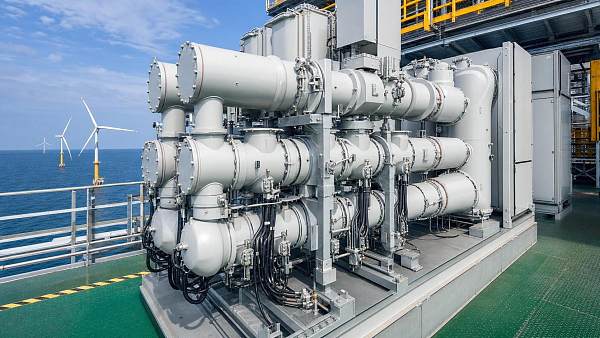
For technical evaluators focused on reliability, GIS switchgears for power plants offer a practical path to higher uptime, faster fault isolation, and more stable grid performance under demanding operating conditions. With compact design, sealed insulation, and strong resistance to environmental stress, these systems help reduce maintenance risk while supporting safer, more efficient power transmission across modern generation facilities.
What are GIS switchgears for power plants, and why do they matter for uptime?
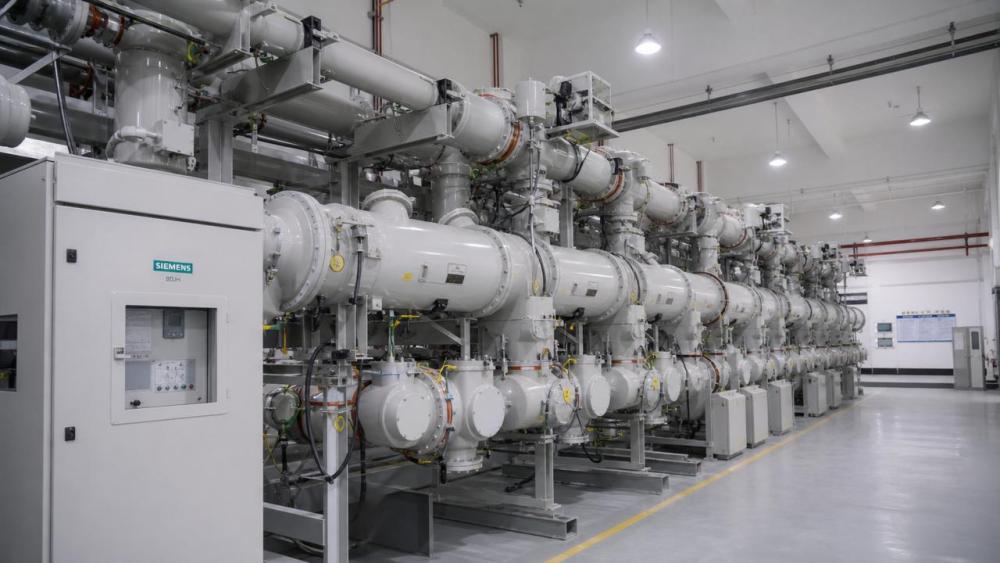
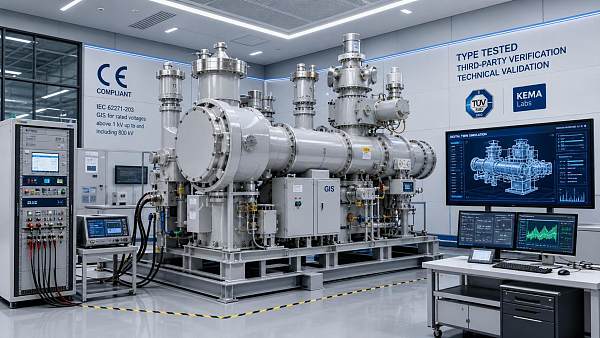
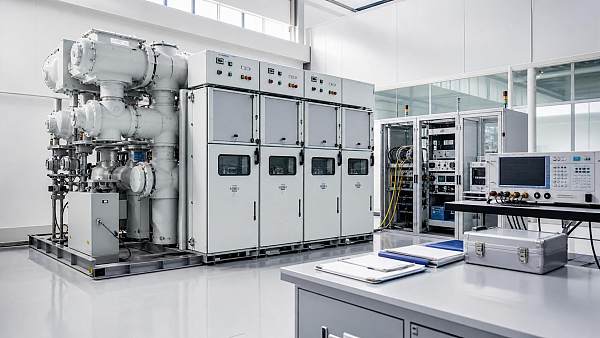
GIS switchgears for power plants are gas-insulated systems used to control, protect, and isolate electrical circuits in medium- and high-voltage networks.
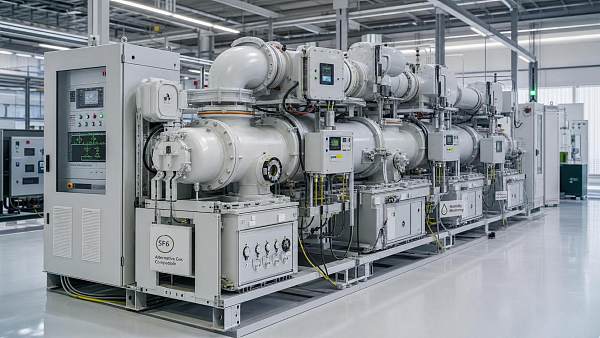
Unlike air-insulated alternatives, GIS encloses live parts inside grounded metal compartments filled with insulating gas, usually SF6 or lower-emission alternatives.
This enclosed structure directly supports uptime. It lowers exposure to dust, humidity, salt mist, pollution, rodents, and accidental contact.
In power plants, a switchgear failure can trip feeders, interrupt auxiliaries, and create cascading outages across generation blocks and export connections.
GIS switchgears for power plants reduce that risk by combining interruption, isolation, measurement, and protection inside a tightly controlled environment.
That matters across thermal plants, hydropower stations, offshore substations, renewable integration sites, and hybrid facilities with BESS containers.
Why compact design improves operational resilience
Compact layout allows GIS switchgears for power plants to fit inside constrained electrical rooms and retrofit projects with limited real estate.
Shorter conductor paths and enclosed bays also support cleaner installation, easier segregation, and better control of arc-related risks.
How do GIS switchgears for power plants isolate faults faster?
Fast fault isolation is one of the biggest uptime advantages of GIS switchgears for power plants.
When a short circuit, insulation breakdown, or bus disturbance appears, the breaker and relay system act within milliseconds.
Because the equipment is enclosed and precisely engineered, protection coordination can be tighter and more predictable over time.
That means less fault spread, less collateral damage, and faster restoration of unaffected sections.
What does faster isolation mean in real plant conditions?
- Auxiliary systems stay protected during feeder faults.
- Generator evacuation paths face lower interruption risk.
- Critical transformers and cables see reduced thermal stress.
- Maintenance teams can isolate affected bays more safely.
In modern smart grid environments, this speed aligns well with digital relays, SCADA integration, and condition-based maintenance strategies.
Where are GIS switchgears for power plants most effective?
GIS switchgears for power plants are especially effective where environmental exposure or space constraints undermine conventional switchgear performance.
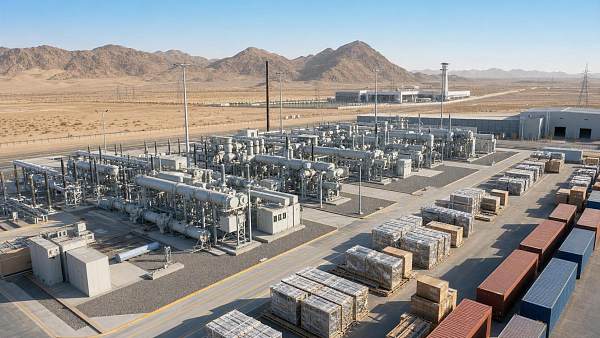
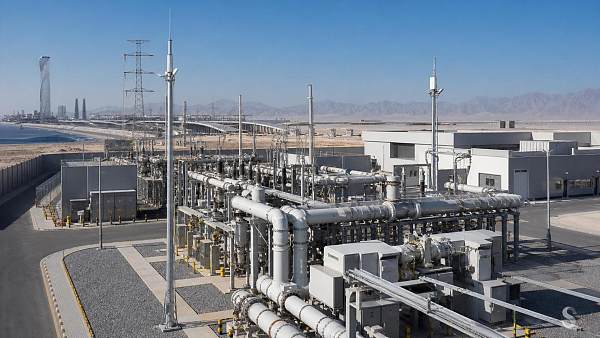
They perform well in coastal stations, desert projects, polluted industrial zones, underground substations, and high-humidity tropical sites.
They also fit complex energy infrastructure linked to UHV power transformers, HVDC nodes, large solar parks, and grid-scale storage systems.
Typical use cases
- Gas, coal, and combined-cycle plants requiring dependable auxiliaries.
- Hydro stations needing compact high-voltage yards.
- Renewable-plus-storage hubs with frequent switching events.
- Offshore and marine-adjacent assets exposed to salt contamination.
- Urban generation sites where land cost and footprint matter.
For broad energy system planning, GIS also supports grid stability goals central to ESGS coverage of resilient transmission and dispatch infrastructure.
How do GIS switchgears compare with AIS for power plant reliability?
The common comparison is GIS versus AIS, or gas-insulated versus air-insulated switchgear.
AIS can offer lower upfront equipment cost and easier visual access. However, its exposed live parts are more vulnerable to site conditions.
GIS switchgears for power plants usually deliver stronger reliability in harsh environments and tighter layouts.
The better option depends on outage cost, maintenance capability, environmental stress, and future expansion constraints.
What should be checked before selecting GIS switchgears for power plants?
Selection should not start with voltage class alone. Uptime depends on system fit, maintainability, and protection quality.
Key evaluation points
- Rated voltage, current, and short-circuit breaking capacity.
- Single-line arrangement and future bay expansion needs.
- Protection relay compatibility and trip philosophy.
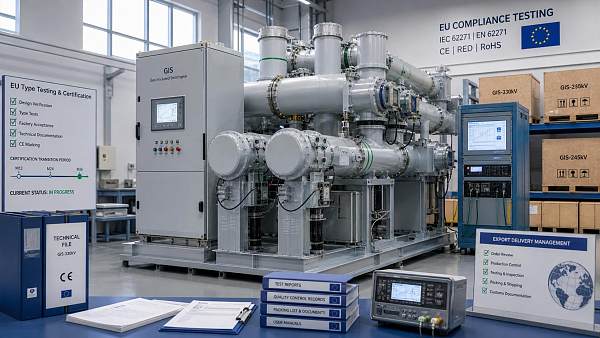
- Gas monitoring, leak detection, and compliance procedures.
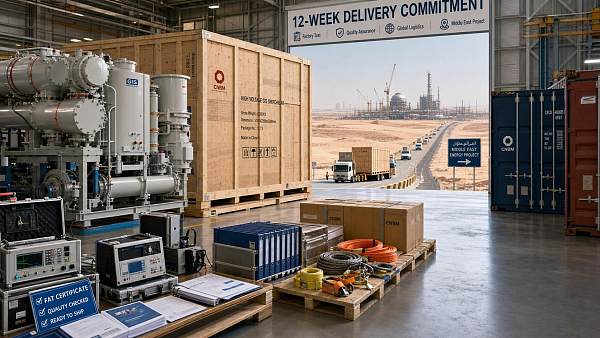
- Factory testing, site commissioning, and spare parts availability.
- Digital diagnostics, partial discharge monitoring, and remote visibility.
For facilities connected to BESS, fast chargers, or hydrogen production loads, switching duty and transient behavior deserve extra attention.
The right GIS switchgears for power plants should match both present reliability targets and future grid modernization plans.
What risks or misconceptions can reduce the value of GIS switchgears for power plants?
A common misconception is that sealed equipment needs no maintenance. GIS reduces routine exposure, but it does not eliminate inspection and testing.
Another mistake is focusing only on capital cost. In high-value generation assets, outage cost often outweighs the initial price difference.
Poor commissioning can also erode benefits. Alignment errors, incomplete gas handling procedures, or weak relay settings create avoidable reliability risks.
Environmental compliance is another critical point. Gas management, leak monitoring, and end-of-life handling must be planned from the start.
Risk reminder table
How can implementation be planned for long-term uptime gains?
Implementation should connect engineering, protection, operations, safety, and lifecycle service planning from the earliest design stage.
A strong plan usually includes layout review, fault studies, interface checks, operator training, and a digital maintenance baseline.
It also helps to define response procedures for alarms, gas deviations, breaker wear indicators, and relay event analysis.
For integrated energy sites, GIS switchgears for power plants should be aligned with transformer loading, storage dispatch, and export stability requirements.
That lifecycle view reflects the broader ESGS perspective: resilient grid assets perform best when electrical protection, thermal control, and dispatch intelligence work together.
Final takeaway: are GIS switchgears for power plants worth it?
In many high-reliability applications, the answer is yes. GIS switchgears for power plants can materially improve uptime, safety, and fault containment.
Their value becomes clearer where space is limited, environments are harsh, and outage consequences are expensive.
The best results come from careful rating review, disciplined commissioning, and ongoing condition monitoring.
If a project is evaluating reliability upgrades, compare site risks, downtime cost, and expansion plans before finalizing the switchgear strategy.
Used well, GIS switchgears for power plants become more than equipment. They become a practical foundation for resilient generation and stable grid performance.
Related News
 GIS Switchgears for Offshore Substations: Design Checks Before SpecificationSmart Grid StrategistGIS switchgears for offshore substations: discover key design checks for corrosion, insulation, layout, and maintainability to reduce risk, improve uptime, and specify with confidence.
 SEC Sets 12-Week GIS Rule for NEOM Phase IISmart Grid StrategistSEC sets a 12-week GIS rule for NEOM Phase II, requiring IEC 62271-203:2025 compliance and SF6-free verification. See what this means for suppliers, bidders, and procurement teams.
 SEC Tightens GIS Delivery Rule for NEOM BidsSmart Grid StrategistSEC Tightens GIS Delivery Rule for NEOM Bids: learn how the new 12-week deadline, ISO 9001 logistics SLAs, and witnessed FATs could reshape bid strategy and supplier competitiveness.
 Saudi Fast-Tracks GIS Approval for NEOM ProjectsSmart Grid StrategistSaudi Fast-Tracks GIS Approval for NEOM Projects: learn how SEC and NEOM cut GIS switchgear approval from 26 to 8 weeks, and why IEC compliance plus local service hubs now shape supplier access.
 India Requires Real-Time PD Monitoring for GISSmart Grid StrategistIndia requires real-time PD monitoring for GIS above 145kV from Oct 2026. Learn how CEA rules affect compliance, IEC 60270 sensors, NGETS integration, and supplier strategy.
 India Tightens GIS Tender Rules With Real-Time PD MonitoringSmart Grid StrategistIndia Tightens GIS Tender Rules with real-time PD monitoring: learn how new CEA requirements for GIS switchgear above 145kV affect compliance, tenders, and export readiness.
 EU Sets New CE Path for GIS SwitchgearSmart Grid StrategistEU Sets New CE Path for GIS Switchgear: discover how UL 62271-203, IEC 62271-203:2025, third-party type testing, and digital twin validation may reshape EU export compliance, timelines, and project planning.
 German Grid Fee Exemption Takes Effect for GIS ExportsSmart Grid StrategistGerman Grid Fee Exemption now applies to GIS exports meeting EN 62271-203:2026. Learn how BNetzA’s new rule, lower costs, and the six-month TÜV transition reshape compliance and delivery.
 TÜV Rheinland Cuts GIS Standard Transition to Six MonthsSmart Grid StrategistTÜV Rheinland cuts the GIS standard transition to six months, forcing EN 62271-203:2026 retesting and CE+UKCA updates by Dec 31, 2026. See what EU exporters must do now.
 EU Sets Transition Period for EN 62271-203:2026 GIS ComplianceSmart Grid StrategistEN 62271-203:2026 sets a clear EU transition deadline for GIS compliance. Learn the new type-testing timeline, upgrade roadmap rules, and key actions exporters must take.
 EU Starts EN 62271-203:2026 Transition for GIS ExportsSmart Grid StrategistEU Starts EN 62271-203:2026 Transition for GIS Exports: learn the 2027 deadline, CE and type-test requirements, and how GIS exporters can stay eligible for EU grid projects.
 EU Starts GIS Switchgear Transition to EN 62271-203:2026Smart Grid StrategistEU Starts GIS Switchgear Transition to EN 62271-203:2026. Learn the new compliance timeline, SF6 alternative gas updates, testing needs, and what exporters and buyers must prepare before 2027.