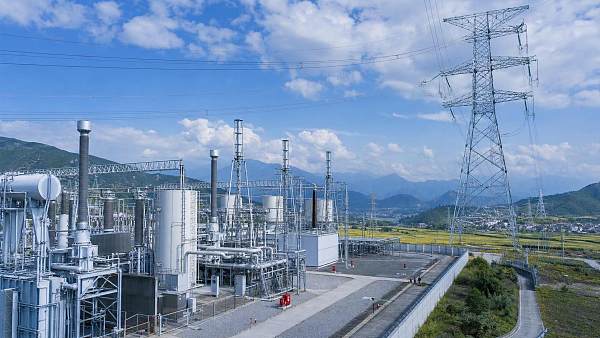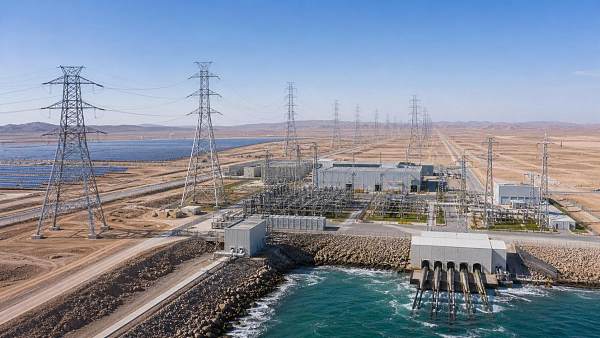
Selecting HVDC valves is not just a technical decision—it is a long-term investment in grid reliability, transmission efficiency, and project bankability. For procurement teams, the challenge is to look beyond price and verify performance under real operating stress, supplier compliance, lifecycle support, and integration with converter stations. This guide highlights the key checks buyers should make before committing to HVDC valves, helping reduce delivery risks, avoid costly downtime, and ensure stable power flow in large-scale renewable energy and ultra-high-voltage transmission projects.
Why HVDC Valves Matter in Modern Grid Procurement
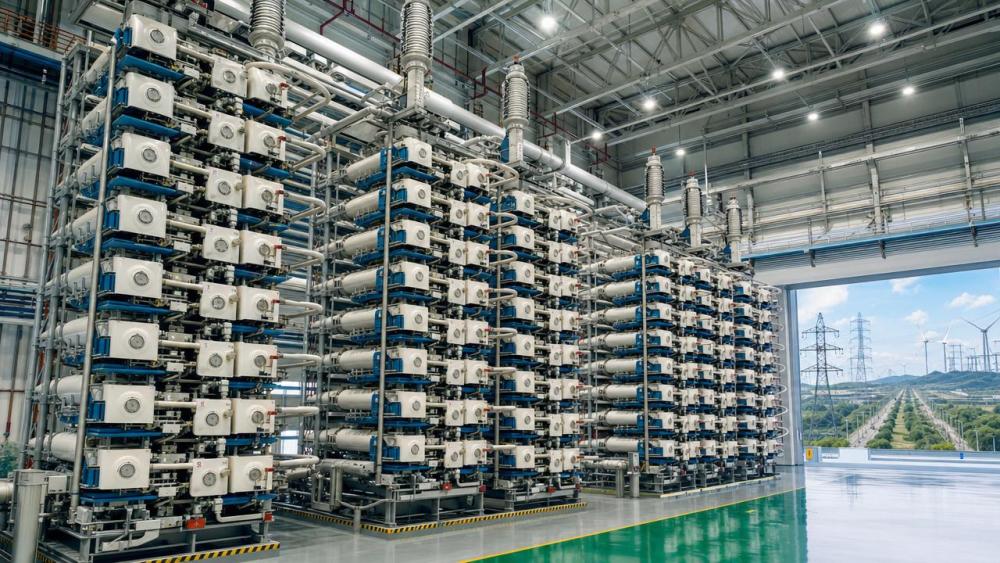
HVDC valves are the switching core of a high-voltage direct current converter. They control the conversion between AC and DC power, enabling long-distance transmission, offshore wind export, asynchronous grid interconnection, and UHV corridors.
For procurement managers, HVDC valves are not isolated components. They sit inside a broader converter station ecosystem that includes transformers, smoothing reactors, cooling systems, control protection platforms, GIS switchgear, and communication networks.
In ESGS intelligence coverage, HVDC valves belong to the “neural networks” of smart grid T&D equipment. Their role is to route large-scale clean energy through complex electromagnetic environments with stable, controllable power flow.
- They influence transmission efficiency across desert-to-city renewable corridors and offshore wind connections.
- They affect converter station availability, especially during voltage fluctuations, switching stress, and commutation challenges.
- They shape lifecycle risk because outage costs can exceed the initial procurement savings of a cheaper offer.
A strong purchasing decision therefore starts with a clear technical baseline, followed by supplier verification, compliance review, logistics planning, and long-term maintenance assessment.
Check 1: Match HVDC Valves to the Transmission Scenario
Different projects require different valve technologies and design priorities. Procurement teams should first define the project scenario before comparing quotations for HVDC valves.
The following table summarizes typical application scenarios and the selection focus buyers should verify during early technical clarification.
This scenario-based view prevents a common mistake: comparing HVDC valves only by voltage class or unit price. The correct valve package must fit grid behavior, maintenance access, dispatch objectives, and project financing assumptions.
Check 2: Verify Electrical Performance Before Price Negotiation
Electrical performance is where procurement and engineering must work together. Buyers should request measurable data, not only brochures, especially when HVDC valves will operate in renewable-heavy networks.
Core parameters procurement teams should ask for
The technical review should include rated voltage, current capacity, valve losses, insulation level, harmonic behavior, cooling demand, control interface, and redundancy arrangement.
When suppliers present HVDC valves, the following parameter checklist helps separate bankable offers from incomplete proposals.
A supplier that cannot explain these items clearly may create hidden integration costs. Procurement teams should require traceable test reports, design assumptions, and interface documents before commercial closing.
Check 3: Review Cooling, Insulation, and Thermal Stress Control
Thermal stress is one of the most important reliability drivers for HVDC valves. High current, repetitive switching, and converter losses generate heat that must be removed predictably.
ESGS follows thermal management across both BESS containers and grid power electronics. The same procurement logic applies: temperature deviation, alarm thresholds, and cooling redundancy matter before failure becomes visible.
- Ask whether the cooling system has redundant pumps, monitored coolant conductivity, and clear bypass logic.
- Check whether valve hall humidity, air filtration, and insulation surface contamination are included in the environmental design basis.
- Verify that temperature sensors, alarms, and protection thresholds are integrated with the station control and protection system.
- Request maintenance procedures for coolant replacement, leak detection, deionization, and emergency shutdown response.
A buyer’s practical judgment
If HVDC valves are priced attractively but require a weak cooling architecture, the total risk is higher. Procurement should treat cooling hardware, sensors, and software alarms as part of the valve package.
Check 4: Compare LCC and VSC Valve Options with Project Needs
Procurement teams often encounter line-commutated converter and voltage-source converter technologies. The right choice depends on grid strength, power control needs, footprint, and system economics.
The table below provides a practical comparison for buyers evaluating HVDC valves within different grid architectures.
This comparison should not be used as a universal ranking. Both approaches can be appropriate. The procurement task is to connect valve technology with grid studies, converter station layout, dispatch objectives, and financing constraints.
Check 5: Confirm Standards, Testing, and Compliance Evidence
Compliance review protects procurement teams from approval delays and contractual disputes. HVDC valves should be evaluated against recognized high-voltage equipment practices and project-specific grid codes.
Documents to request before supplier shortlisting
- Type test summaries covering dielectric performance, thermal behavior, control response, and electromagnetic compatibility.
- Factory acceptance test scope, including visual inspection, functional verification, cooling system checks, and protection logic validation.
- Quality management documentation, manufacturing traceability, critical component sourcing control, and inspection records.
- Project interface files for converter transformer, valve hall, control protection, auxiliary power, and cooling connections.
Common reference frameworks may include IEC practices related to HVDC converter stations, insulation coordination, EMC, high-voltage testing, and grid connection requirements. Buyers should always confirm applicability with the project owner and local authority.
Do not accept vague phrases such as “international standard compliant” without document titles, test conditions, acceptance criteria, and responsible testing bodies. Compliance must be auditable.
Check 6: Evaluate Supplier Capability Beyond the Quotation
The lowest bid may look attractive during tender review, but HVDC valves demand supplier depth. Procurement should evaluate engineering capability, delivery discipline, and after-sales response.
A supplier review matrix can turn subjective vendor impressions into comparable procurement evidence.
Procurement teams should also verify whether the supplier can coordinate with EPC contractors, grid consultants, and station automation vendors. HVDC valves must function as part of a system, not as standalone inventory.
Check 7: Calculate Lifecycle Cost, Not Only Purchase Price
The commercial case for HVDC valves should include capital cost, losses, maintenance, spares, downtime exposure, testing, logistics, and potential retrofit requirements.
Cost items buyers frequently underestimate
- Energy losses over the operating life, especially in high-utilization transmission corridors.
- Special transport, lifting, packaging, and humidity-controlled storage requirements for sensitive equipment.
- Commissioning support, software configuration, protection setting coordination, and training for station operators.
- Critical spares, diagnostic tools, coolant treatment consumables, and planned maintenance labor.
ESGS often views grid assets through the same financial discipline used in storage LCOS analysis. A valve package with higher upfront price may still be more bankable if it reduces losses, outages, and commissioning uncertainty.
Implementation Checklist for Procurement and Engineering Teams
A disciplined process helps avoid last-minute technical disputes. Procurement teams should align stakeholders before issuing the final purchase order for HVDC valves.
- Define the grid scenario, operating profile, voltage level, control requirements, and renewable integration target.
- Issue a technical data request covering electrical performance, cooling, insulation, control interface, testing, and documentation.
- Compare supplier responses with a weighted matrix that includes performance, compliance, delivery risk, and lifecycle cost.
- Hold a joint clarification meeting with engineering, EPC, grid operator, and supplier representatives.
- Confirm scope boundaries for valve equipment, auxiliaries, software, spare parts, training, commissioning, and warranty support.
This workflow turns HVDC valves selection from a price-led tender into a bankability-led decision. It also creates a clearer audit trail for investors, project owners, and grid authorities.
FAQ: Practical Questions Before Buying HVDC Valves
How early should procurement teams involve valve suppliers?
Supplier engagement should begin during converter station concept design or early tender preparation. Early input helps clarify footprint, cooling architecture, control interface, and delivery lead-time assumptions.
What is the biggest mistake when selecting HVDC valves?
The most common mistake is comparing only the unit price. Buyers should evaluate valve losses, thermal design, testing evidence, compliance documents, spares, and outage risk.
Are HVDC valves suitable for renewable energy transmission?
Yes. HVDC valves are central to many renewable export projects, including offshore wind links and long-distance solar or wind transmission. The key is matching valve technology with grid strength and dispatch requirements.
What should be included in a supplier’s quotation?
A useful quotation should specify technical scope, auxiliary systems, testing, documentation, delivery schedule, warranty, spare parts, commissioning support, exclusions, and assumptions behind performance figures.
Why Choose ESGS for HVDC Valves Intelligence and Procurement Support
ESGS connects grid-scale storage, UHV transmission, hydrogen electrolyzers, EV charging infrastructure, and smart grid equipment into one decision framework. This cross-sector view is valuable when HVDC valves must support zero-carbon grids.
Procurement teams can consult ESGS for parameter confirmation, supplier comparison logic, compliance requirement mapping, delivery risk review, customized selection checklists, and quotation communication preparation.
If your project involves HVDC valves for renewable corridors, converter stations, offshore wind export, or UHV grid expansion, ESGS can help structure the questions that protect reliability and investment returns.
Contact ESGS to discuss technical parameters, product selection, certification expectations, delivery schedules, spare parts planning, and project-specific procurement evaluation before final supplier commitment.
Related News
 500 kV HVDC Transmission Systems: Key Design Trade-OffsSmart Grid StrategistHVDC transmission systems 500 kV explained: compare LCC vs VSC, overhead lines vs cables, losses, reliability, and grid stability trade-offs for smarter project decisions.
 HVDC Transmission System Losses, Reliability, and When It Beats HVACSmart Grid StrategistHVDC transmission system insights: compare losses, reliability, and control benefits vs HVAC. Learn when HVDC delivers higher value for long-distance, cable, and weak-grid projects.
 Power Flow Control in HV Networks: Key Use Cases and LimitsSmart Grid StrategistPower flow control in HV networks: explore key use cases, core technologies, and real operating limits to improve grid stability, cut congestion, and support renewable integration.
 HVDC Valves vs Alternatives: What Matters in ReliabilitySmart Grid StrategistHVDC valves vs alternatives: discover what really drives reliability, fault recovery, thermal stability, and long-term grid performance before you choose a transmission solution.
 HVDC Valves: Key Checks Before SelectionSmart Grid StrategistHVDC valves selection guide: discover key checks for performance, compliance, cooling, supplier capability, and lifecycle cost before your next grid project.
 HVDC Valves: Failure Modes That Raise Lifecycle RiskSmart Grid StrategistHVDC valves failure modes can quietly raise lifecycle risk. Learn how thermal stress, insulation decline, cooling issues, and control anomalies threaten reliability—and how to prevent costly outages.