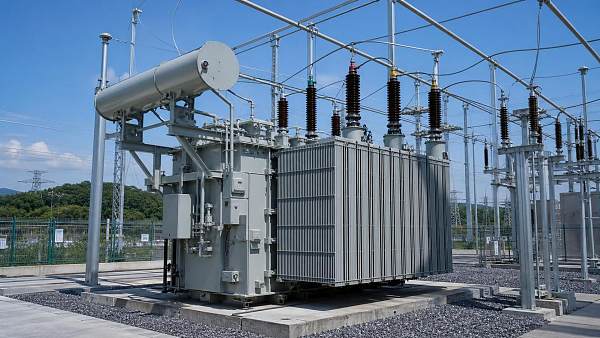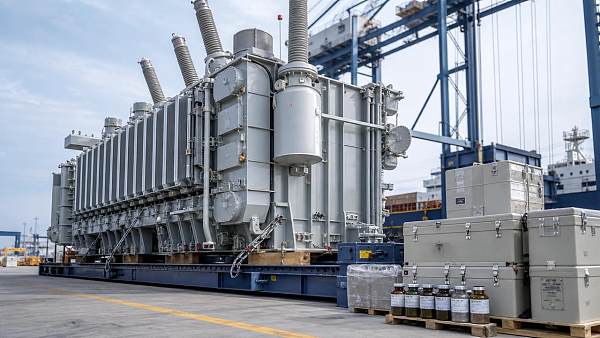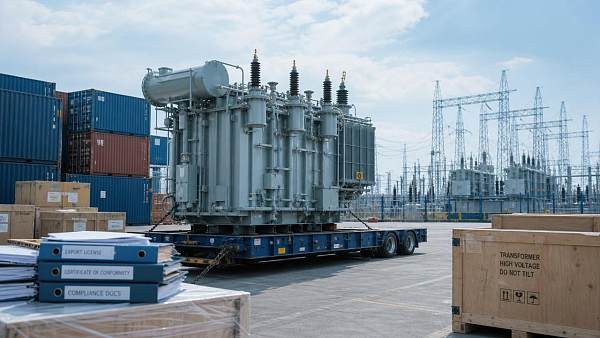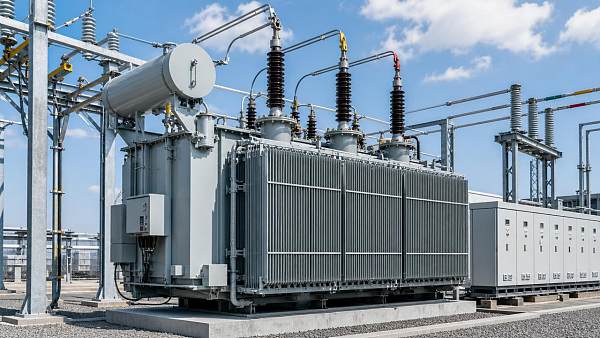
Stable power distribution depends on equipment that matches the electrical and site environment. For industrial plants, commercial facilities, renewable projects, and grid distribution work, an Oil-Immersed Transformer should be evaluated through load profile, installation conditions, protection design, testing documents, and long-term maintenance planning.
This article is written for buyers who need practical guidance before creating an inquiry, comparing suppliers, or approving a purchase order. It avoids fabricated prices, invented project numbers, and unsupported performance claims. The focus is on selection logic, documentation, inspection, and application fit that can be reviewed by procurement, engineering, quality, and operations teams.
Connect Transformer Selection With the Power Scenario
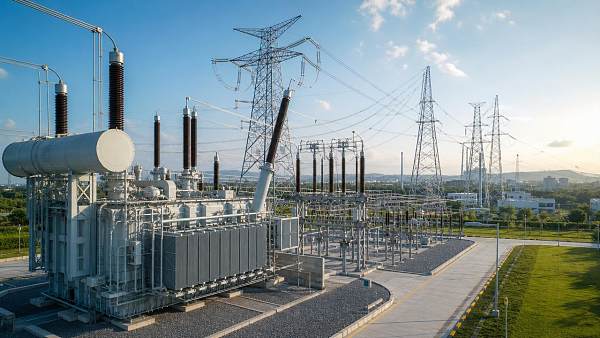
A transformer application decision begins with the power scenario. Industrial plants, commercial buildings, renewable energy stations, distribution networks, mining sites, and utility substations each place different demands on equipment. Buyers should define voltage class, capacity, load profile, installation environment, cooling condition, available space, and maintenance strategy before treating a quotation as final.
Oil-immersed units are often considered where heat dissipation, stable operation, and outdoor or utility-style installation are important. The application fit depends on the project, not simply on the name of the product. A buyer should know whether the transformer will serve continuous industrial load, variable production load, grid distribution, backup infrastructure, or a dedicated energy project. Each scenario changes the specification conversation.
The application solution should also consider the local electrical environment. Ambient temperature, altitude, humidity, dust, seismic conditions, corrosion exposure, and grid fluctuation can affect design choices. These details should be shared with the supplier early, because they can influence insulation design, cooling arrangement, enclosure, accessories, and testing requirements.
Define Load Profile and Capacity Margin
Load profile is one of the most important application inputs. A transformer selected only by rated capacity may not match peak demand, daily load variation, future expansion, or harmonic conditions. Buyers should work with electrical engineers to identify normal load, peak load, starting current, overload expectations, and expansion plans. This avoids a specification that is either underprepared or unnecessarily oversized.
Capacity margin should be a technical decision, not a guess. Too little margin can increase stress when the project expands. Too much margin can create unnecessary capital cost and lower operating efficiency at light load. The correct balance depends on the project stage, power quality, duty cycle, and expected growth. Buyers should ask suppliers to explain how the proposed model fits the load profile and what information is still needed.
For factory projects, buyers should consider motors, welding equipment, heating equipment, compressors, pumps, and production lines. For building projects, they should consider elevators, HVAC systems, lighting, data rooms, and safety systems. For renewable or energy projects, grid interface, inverter behavior, and site operation plan deserve attention.
Review Site Conditions and Installation Constraints
Installation conditions can shape transformer configuration as much as electrical capacity. Outdoor installations may require weather protection, corrosion resistance, foundation planning, and safe access for inspection. Indoor or semi-indoor installations may require ventilation planning, fire safety review, oil containment consideration, and clearance for lifting or replacement. The buyer should not leave these details until after procurement.
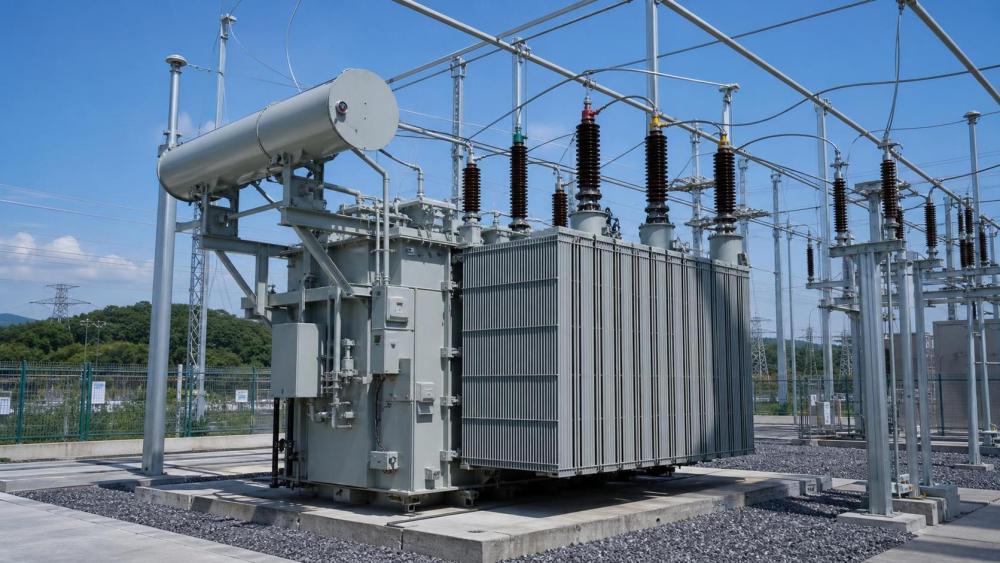
Transport and unloading also matter. A transformer must fit shipping routes, site entrance limits, crane capacity, foundation schedule, and installation sequence. If accessories are shipped separately, the buyer should confirm packing lists and assembly responsibilities. A smooth application plan connects equipment dimensions with real site logistics.
Maintenance access should be reviewed during selection. Operators need safe access to gauges, valves, sampling points, terminals, and accessories. If the transformer will be installed in a constrained area, service routes should be checked before final approval.
Coordinate Insulation, Cooling, and Protection
Oil-immersed transformer performance depends on the interaction of insulation, cooling, and protection devices. Buyers should discuss oil type, temperature rise, cooling method, winding material, insulation class, tap changer needs, and accessory configuration. These topics should be aligned with the application environment and the owner’s maintenance capability.
Protection planning should include temperature monitoring, pressure relief, oil level indication, gas protection where applicable, surge protection, grounding, and coordination with upstream and downstream equipment. The transformer does not operate alone. It sits inside a protection system that includes switchgear, cables, relays, meters, and operating procedures.
The procurement team should request drawings and technical documents early enough for electrical engineers to review. If the project requires a specific standard, testing protocol, language, label format, or documentation package, that requirement should be listed before production rather than after shipment.
Map Applications to Selection Priorities
The table below gives buyers a simple way to connect common application settings with selection priorities. It is not a substitute for engineering design, but it helps purchasing teams ask better questions and organize supplier responses.
Build a Practical Project Documentation Package
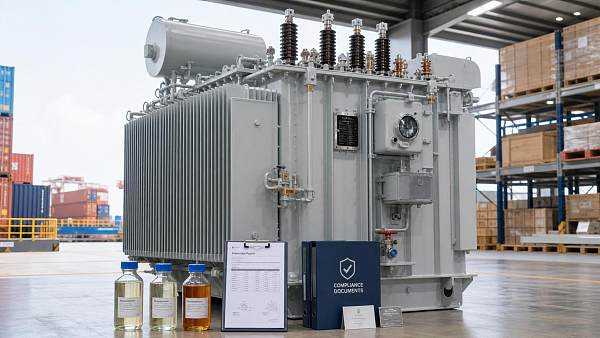
Documentation is central to transformer procurement. Buyers should request technical drawings, rating information, test reports, accessory lists, packing lists, installation guidance, operation notes, and maintenance recommendations. If the project owner, consultant, or grid operator requires specific document formats, those expectations should be provided to the supplier at the inquiry stage.
A good document package improves internal approval and reduces commissioning confusion. It allows engineering teams to verify capacity, voltage, connection group, impedance, temperature rise, insulation level, dimensions, and accessories before delivery. It also helps the site team prepare foundation, cable routing, grounding, lifting, and receiving inspection.
For repeat buyers, document control creates long-term value. Keeping approved drawings, test records, site feedback, and maintenance notes makes future orders easier to specify and compare. It also helps identify whether later changes are technical improvements or uncontrolled drift.
Plan Commissioning and Lifecycle Management
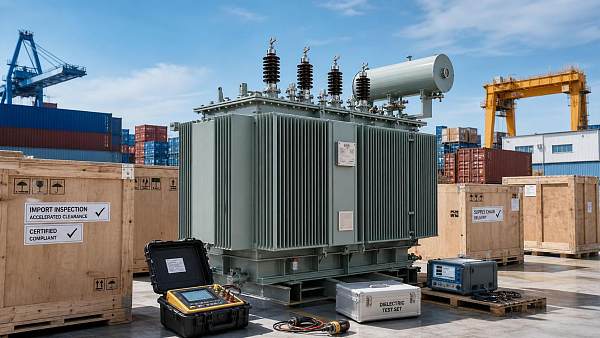
Application success continues after delivery. Receiving inspection should check packaging, nameplate, accessories, visible damage, oil condition, document match, and storage requirements. Site teams should follow approved installation and testing procedures before energization. Any abnormal condition should be recorded and resolved before operation.
Lifecycle management includes periodic inspection, oil sampling where required, temperature monitoring, load review, cleaning, and accessory checks. The buyer should understand what maintenance is expected and who will perform it. If the transformer serves a critical process, spare parts and service support should be reviewed during procurement.
A reliable application plan connects the purchase with the full operating life. It defines the load, confirms the environment, prepares the site, checks documents, manages commissioning, and records maintenance. This approach helps buyers treat the transformer as part of a power system rather than a standalone product.
Coordinate the Transformer With Connected Equipment
A transformer application should be reviewed together with the equipment around it. Switchgear, cables, protection relays, meters, grounding systems, surge protection, and downstream loads all influence the final design. If these interfaces are not discussed early, the project may face drawing revisions, accessory changes, or site delays after the transformer has already entered production. Buyers should ask engineering teams to review connection group, impedance, terminal arrangement, cable entry, enclosure details, and protection coordination before approval.
Coordination also helps commercial teams compare offers fairly. Two quotations may use the same headline capacity but differ in accessories, test scope, cooling configuration, documentation, or delivery preparation. A structured comparison should separate mandatory project requirements from optional features. This keeps the evaluation factual and prevents the lowest initial price from hiding missing scope.
Project owners should also plan communication between the transformer supplier, electrical contractor, consultant, and site operations team. Clear interface responsibility reduces confusion during installation and gives the commissioning team a better reference when checking the system before energization.
Procurement Checklist
- Define voltage class, capacity, load profile, and future expansion before quotation.
- Share site conditions such as ambient temperature, altitude, humidity, dust, and corrosion exposure.
- Confirm cooling method, protection accessories, tap requirements, and document package.
- Review dimensions, transport route, foundation plan, and installation access.
- Prepare receiving inspection, commissioning, and maintenance records.
FAQ
Is an oil-immersed transformer suitable for every project?
No. Suitability depends on load, site conditions, safety requirements, maintenance capability, and installation environment. Buyers should evaluate the full power scenario.
What documents should buyers request?
Common documents include drawings, rating information, test reports, accessory lists, packing lists, installation guidance, and operation or maintenance notes.
Why should site conditions be shared early?
Temperature, altitude, humidity, dust, corrosion exposure, and installation space can influence configuration, accessories, cooling, and maintenance planning.
Related News
 Oil-Immersed Transformer Applications in Reliable Power Distribution ProjectsUHV Engineering FellowAn application guide for oil-immersed transformer buyers reviewing load profile, site conditions, insulation, cooling, testing, documentation, and project integration.
![]() India Tightens Import Checks for Ester Oil TransformersUHV Engineering FellowIndia tightens import checks for ester oil transformers from Aug 1, 2026. Learn how MNRE’s pre-shipment verification rule may affect compliance, documentation, and delivery planning.
India Tightens Import Checks for Ester Oil TransformersUHV Engineering FellowIndia tightens import checks for ester oil transformers from Aug 1, 2026. Learn how MNRE’s pre-shipment verification rule may affect compliance, documentation, and delivery planning. METI Speeds Ester Transformer Import ReviewsUHV Engineering FellowMETI speeds ester transformer import reviews in Japan for products meeting JIS C 4304:2026 Amendment 2. See eligibility, the July 31 deadline, and supply chain impact.
 Saudi SCEC Sets New Import Rule for 1000kV UHV TransformersUHV Engineering FellowSaudi SCEC sets a new import rule for 1000kV UHV transformers, requiring ester oil lifecycle reports from Sept. 1, 2026. Learn the compliance impact on exporters and suppliers.
 SCECO Opens First 800kV UHV Transformer TenderUHV Engineering FellowSCECO opens its first 800kV UHV transformer tender for the NEOM grid upgrade. Explore key bid requirements, IEC 61850 cybersecurity, local KSA service rules, and supplier opportunities.
 IEA: Grid Investment Hits $550B, UHV Exports Rise 37%UHV Engineering FellowIEA reports grid investment hitting $550B as UHV exports rise 37%. See how 800kV+ transformer demand, emerging-market tenders, and compliance shifts create new opportunities.
 EU Opens Probe on China UHV TransformersUHV Engineering FellowEU probe on China UHV transformers may reshape compliance, origin tracing, and project delivery. Learn what exporters, importers, and contractors should watch now.
 EU Probes China UHV Transformer Tariff EvasionUHV Engineering FellowEU probes China UHV transformer tariff evasion, raising compliance risks for 800kV and 1100kV transformer trade, routing, procurement, and supply chains.
 Key Procurement Checks When Sourcing Custom Oil-Immersed TransformersUHV Engineering FellowCustom oil-immersed transformers demand more than price checks. Discover key procurement factors—compliance, thermal design, testing, and durability—to reduce risk and buy with confidence.