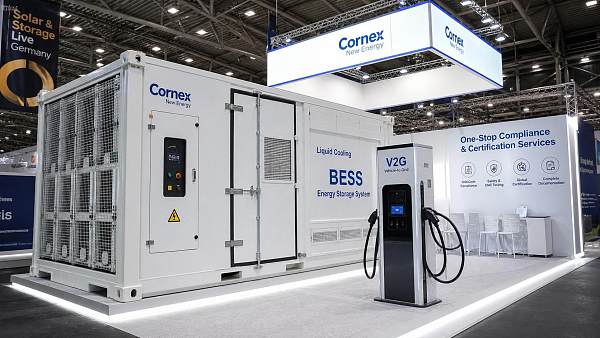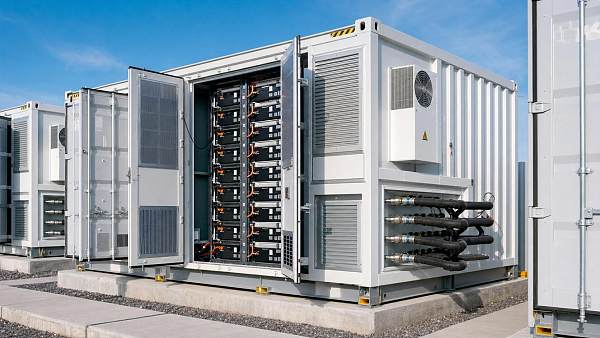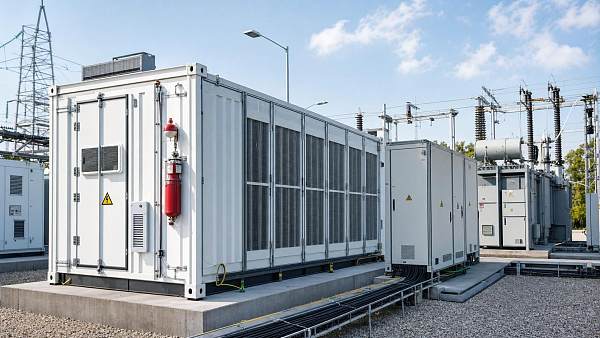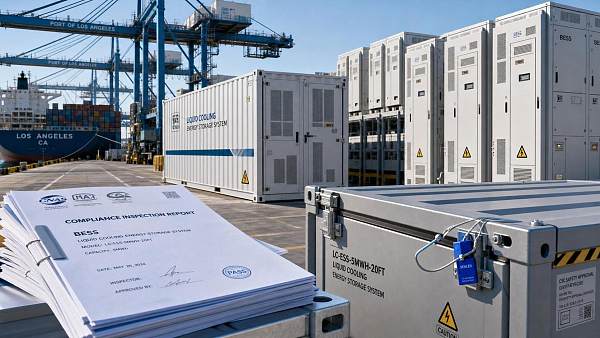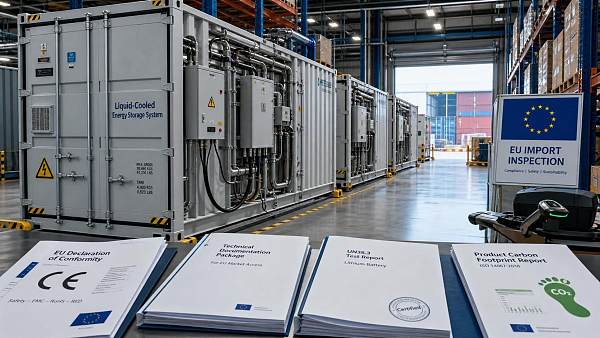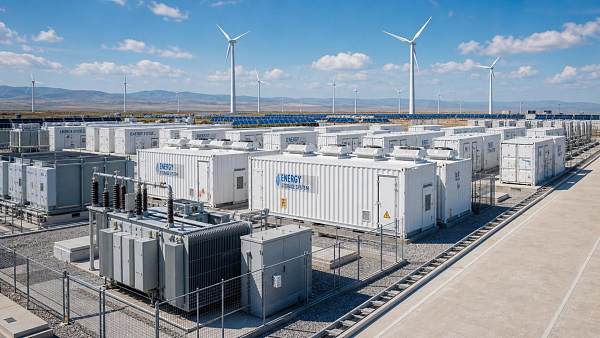
At The Smarter E Europe held in Munich from June 23 to 25, 2026, liquid-cooled battery energy storage systems moved to the center of attention for European and U.S. distributors and project developers. The most notable compliance signal in this event is not only product interest, but the visible weight of certification and fire-test standards in procurement and project review, especially after CRRC Zhuzhou Institute introduced its 6.X liquid-cooled system with UL 9540A:2026 and NFPA 855:2026 real-fire test certification. For manufacturers, buyers, certification-related service providers, and project delivery teams, this is worth watching because it links product selection more directly to safety validation, site constraints, and approval readiness.

What the event clearly confirms
During the June 23–25, 2026 edition of The Smarter E Europe in Munich, liquid-cooled BESS was a core focus category for distributors and project developers in Europe and the United States. CRRC Zhuzhou Institute launched its 6.X liquid-cooled system at the event. According to the provided information, the system obtained dual real-fire test certification under UL 9540A:2026 and NFPA 855:2026. The same information states that the product delivers a 25% increase in energy density and a 20% reduction in footprint, and that it has already been delivered in the 200MWh BoHot benchmark project in Bulgaria.
Why this matters across procurement and delivery
For buyers evaluating bankable storage options
Analysis shows that buyers may increasingly treat fire-test certification and documented safety alignment as early procurement filters rather than late-stage technical attachments. In practical terms, this can affect specification review, supplier shortlisting, and the completeness of technical bid documents. What deserves closer attention is whether procurement teams begin to place greater weight on certification language, footprint efficiency, and deployment suitability where land use and approval constraints are material considerations.
For manufacturers preparing products for export projects
From an industry perspective, the event suggests that product competitiveness is being presented alongside compliance readiness. For manufacturers, the likely pressure point is not only product design, but also the ability to provide certification materials, test-related documentation, and technically consistent submission packages for overseas customers. Observably, systems positioned for Europe-facing projects may face closer scrutiny around how performance claims, safety validation, and delivery references are documented together.
For distributors and project intermediaries
Distributors and project-facing channel companies may be affected because they often sit between supplier claims and end-customer review. If certification-linked screening becomes more prominent, these firms may need to pay closer attention to document accuracy, product configuration consistency, and the exact scope of standards cited in commercial discussions. This can influence offer comparison, partner qualification, and the handling of customer questions during pre-sale stages.
For testing, certification, and delivery support roles
Analysis shows that certification-related enterprises and delivery support teams may see more demand for clearer technical files and traceable compliance materials. The immediate business impact may appear in report review, tender support, project submission packages, and handover documentation. It is more appropriate to understand this as a signal that compliance evidence may increasingly shape the pace of project review and acceptance, even where the final local execution path still requires case-by-case confirmation.
What companies should monitor next
Keep certification language precise
Companies should closely review how UL 9540A:2026 and NFPA 855:2026 are described in product materials, bid files, and customer communications. Analysis shows that imprecise wording around certification scope or test basis can create avoidable commercial and compliance risk, especially when procurement teams use standard references as qualification checkpoints.
Match technical documents to approval realities
Where land availability and project approval conditions are sensitive, the stated 25% energy density improvement and 20% footprint reduction deserve careful document support. Observably, such claims may matter most when translated into specification alignment, layout-related submissions, and customer-facing technical explanations rather than broad marketing language.
Watch for shifts in tender and supplier qualification practice
What deserves closer attention is whether project owners, developers, or channel partners begin to reflect stronger safety-certification requirements in bid documents, supplier screening standards, or technical clarification requests. The current information does not confirm such changes as a settled market rule, but it does indicate a direction that export-oriented suppliers should monitor closely.
Prepare delivery and after-sales records for scrutiny
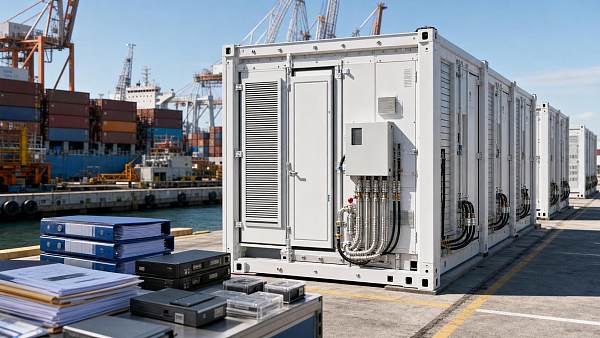
The confirmed delivery of the Bulgaria 200MWh BoHot project may increase attention on project execution evidence. From an industry perspective, companies involved in export, integration, or after-sales support should be ready to present coherent records covering delivered configuration, technical documentation, and quality traceability, particularly when customers ask for proof beyond product brochures.
How this signal should be read now
Observably, this event is less about a single product announcement and more about the growing visibility of standards-based procurement logic in the storage market. The dual reference to UL 9540A:2026 and NFPA 855:2026, combined with the emphasis on density and footprint, suggests that compliance, site efficiency, and project approvability are being discussed together rather than as separate issues. That said, analysis shows it is still too early to treat this as a fully settled market-wide rule change. It is more appropriate to understand it as an execution signal that may influence how buyers, suppliers, and intermediaries frame future transactions and technical reviews.
A practical reading for the market
The most reasonable conclusion at this stage is that liquid-cooled BESS is gaining attention not only as a technology choice, but as a category increasingly judged through certification readiness and project-fit documentation. For the industry, the significance lies in the closer connection between safety testing references, procurement expectations, and site constraints. Current developments are better understood as a concrete market signal with compliance implications, while the exact pace of rule adoption in tenders, approvals, and supplier qualification still requires continued observation.
Basis of this article and what still needs verification
This article is generated based on the user-provided news title, event date, and event summary. For events of this kind, relevant information is commonly associated with official company announcements, regulatory releases, trade or customs authorities, industry association updates, standards organization documents, certification materials, and reporting by established industry media. No specific official source link was provided in the input, so the underlying source trail still requires continued verification. What should continue to be monitored includes detailed certification interpretation, future procurement wording, changes in tender documentation, market feedback from distributors and developers, and how companies implement these requirements in actual delivery practice.
Related News
 Liquid-Cooled BESS Gains Compliance Focus in EuropeGrid Storage ArchitectLiquid-cooled BESS takes center stage in Europe as compliance, UL 9540A, and NFPA 855 reshape storage procurement. Discover why buyers and developers are watching this shift closely.
 Munich Show Opens With BESS and V2G in FocusGrid Storage ArchitectMunich Show opens with BESS and V2G in focus as European buyers prioritize 2026–2027 storage and charging projects. See what procurement, compliance, and local service signals mean for suppliers.
 LA Port Tightens BESS Clearance Data RulesGrid Storage ArchitectLA Port Tightens BESS Clearance Data Rules: learn how new UL 9540A raw-data checks for liquid-cooled BESS may delay customs 7–10 days and what exporters, buyers, and logistics teams should do now.
 Battery Energy Storage Containers: Key Safety and Cooling ChecksGrid Storage ArchitectBattery energy storage containers require strict safety and cooling checks. Learn how to reduce thermal runaway risk, improve compliance, and keep systems stable and audit-ready.
 POLA Tightens BESS Entry Checks on UL 9540A DataGrid Storage ArchitectUL 9540A data now plays a bigger role in POLA BESS inspections. Learn how stricter document checks on liquid-cooled BESS can affect clearance, lead times, and shipment readiness.
 Munich Trade Signal Shifts to Liquid-Cooled BESS and V2GGrid Storage ArchitectLiquid-cooled BESS and V2G are moving to the top of 2026 import plans after Munich’s trade signal. Explore why UL 9540A, IEC 62443-4-2, and PCS-EMS readiness now shape buyer decisions.
 Grid-Scale BESS Safety Risks: What to Check Before System IntegrationGrid Storage ArchitectGrid-scale BESS safety starts at integration. Learn the critical checks for thermal, fire, PCS, and compliance risks before energization to protect uptime and grid stability.
 POLA Tightens UL 9540A Checks for Liquid-Cooled BESSGrid Storage ArchitectPOLA tightens UL 9540A checks for liquid-cooled BESS imports, raising port delay risks. Learn the new 6-month report rule, clearance impact, and how to avoid costly shipment disruptions.
 EU Tightens Battery Entry Rules for Liquid-Cooled BESSGrid Storage ArchitectEU Tightens Battery Entry Rules for Liquid-Cooled BESS: learn how EU Battery Regulation, type certification, and LCA carbon footprint rules will impact C&I Energy Storage exports before 2027.
 First EU Battery Rule NB Certificate IssuedGrid Storage ArchitectFirst EU Battery Rule NB Certificate Issued marks a major compliance shift for EU battery exports. Learn how carbon footprint, recycled content, and QR traceability could speed customs and protect delivery timelines.
 Grid-Scale Storage Solutions: How to Compare Safety, Efficiency, and Lifecycle CostGrid Storage ArchitectGrid-scale storage solutions compared: learn how to evaluate safety, real-world efficiency, and lifecycle cost to choose a bankable system with lower risk and stronger long-term returns.
 Grid-Scale Energy Storage: Cost Drivers and Payback in 2026Grid Storage ArchitectGrid-scale energy storage in 2026 is driven by LCOS, safety, EPC, software, and revenue certainty. Discover key cost drivers, payback factors, and how to evaluate stronger-return projects.