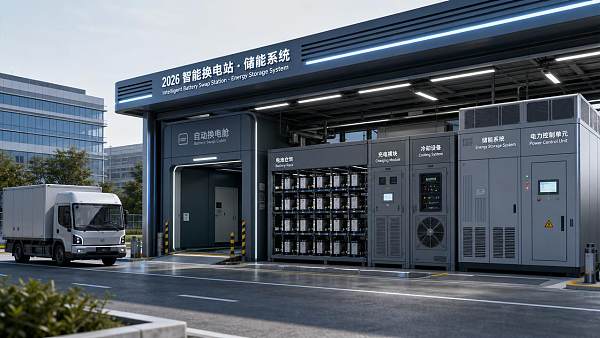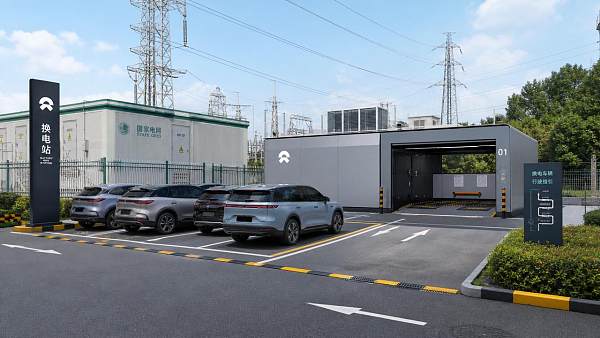
Battery swapping stations can accelerate EV adoption, but poor site selection can quickly undermine utilization, safety, grid efficiency, and ROI. For battery swapping stations, the wrong address often locks in weak traffic capture, higher civil costs, grid bottlenecks, and difficult maintenance for years. A disciplined site screening process helps avoid stranded assets and supports safer, more flexible energy infrastructure.
Why Site Selection Decides the Success of Battery Swapping Stations
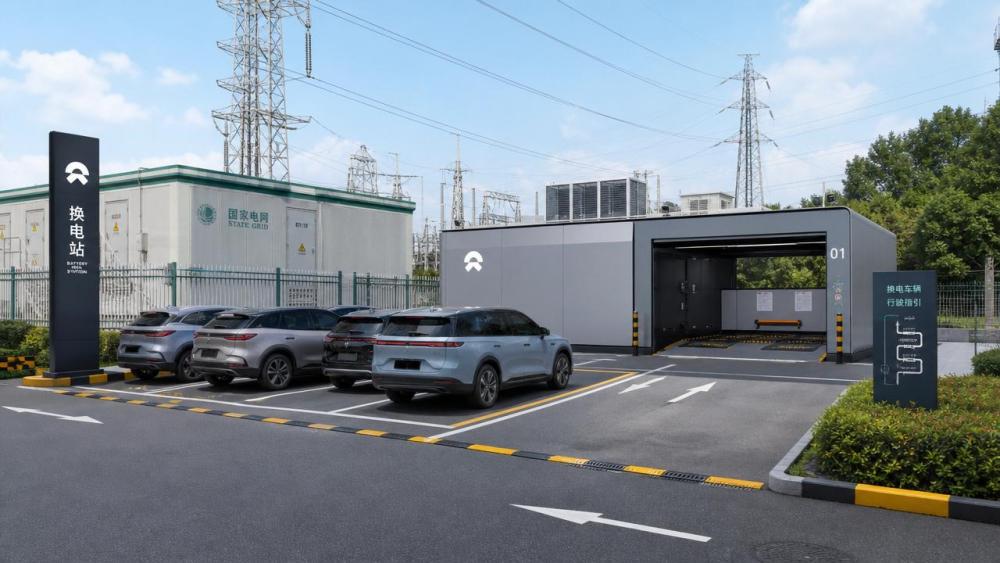
Battery swapping stations are not just roadside service points. They are power-intensive assets, logistics nodes, digital control points, and safety-managed battery environments. A site that looks cheap or available can still fail if queue behavior, transformer access, fire separation, or battery flow patterns are ignored.
In the broader energy ecosystem, location also affects load balancing, future V2G integration, and coordination with charging hubs, fleet depots, and distribution networks. That is why battery swapping stations need a checklist-based decision model rather than a simple real estate comparison.
Core Checklist: Site Selection Mistakes to Avoid
- Map actual vehicle demand before signing land. Do not rely on citywide EV growth alone; analyze route density, repeat traffic, dwell windows, and battery swap frequency by vehicle type.
- Verify grid capacity early. Many battery swapping stations fail at planning stage because local feeders, transformers, or utility interconnection timelines cannot support peak swap cycles.
- Check ingress and egress geometry. A high-traffic site still performs poorly if turning radius, queue spillback, or mixed pedestrian flows create unsafe or slow station access.
- Separate land price from lifecycle cost. Low-rent parcels may require expensive trenching, fire upgrades, drainage work, or road reconstruction that destroys project economics.
- Assess battery logistics, not only driver convenience. Battery swapping stations depend on smooth movement of packs, service vehicles, spare inventory, and maintenance teams.
- Review zoning and permits in detail. Noise limits, hazardous storage rules, setback requirements, and utility easements can delay commissioning or reduce usable station capacity.
- Plan for thermal management conditions. Poor ventilation, flood exposure, direct solar load, or constrained equipment spacing can raise operating risk and cooling energy use.
- Design for future expansion. Battery swapping stations often outgrow early assumptions, so reserve space for additional cabinets, PCS upgrades, parking lanes, and digital monitoring hardware.
- Test network fit, not isolated fit. A single site may look strong, but battery swapping stations perform better when linked to fleet corridors, urban rings, and regional energy hubs.
- Model emergency response access. Fire vehicles, isolation zones, shutoff points, and clear evacuation paths must be practical under real traffic and weather conditions.
Where Battery Swapping Stations Commonly Go Wrong
Choosing visibility over operational fit
Highly visible parcels near major roads often appear attractive. Yet some of these sites suffer from limited turning access, restricted stopping time, or poor compatibility with commercial fleets. Battery swapping stations need repeatable throughput, not only brand exposure.
A better test is operational friction. Measure queue time, lane conflicts, and average swap cycle under realistic traffic assumptions. If a station cannot process vehicles smoothly during peaks, the location is weak.
Ignoring utility and substation realities
Some projects secure land first and ask utility questions later. That sequence is risky. Battery swapping stations may require substantial connection upgrades, protection studies, transformer expansion, or demand charge mitigation.
Early coordination with the utility helps quantify feeder loading, interconnection lead time, and options for on-site storage or managed charging. In energy infrastructure, electrical fit is as important as geographic fit.
Underestimating battery handling and service flow
Battery swapping stations operate like compact energy warehouses. Sites with tight back-of-house access can delay battery replacement, inspection, and fault isolation. Maintenance vehicles also need clear circulation and staging room.
If site planning focuses only on customer lanes, the hidden logistics layer becomes a bottleneck. That weakens uptime and raises labor cost over the asset lifetime.
Scenario-Based Considerations
Urban passenger EV corridors
In dense urban areas, battery swapping stations should prioritize fast entry, short queue exposure, and safe coexistence with pedestrians and delivery traffic. Sites near congestion points may look central but can reduce daily throughput.
Noise, ventilation, and emergency access also become more sensitive in mixed-use districts. Strong urban sites usually balance mobility convenience with strict compliance boundaries.
Commercial fleet and ride-hailing clusters
Fleet-oriented battery swapping stations work best near depots, logistics parks, airports, ports, or ride-hailing concentration zones. These applications value utilization consistency more than walk-in visibility.
Here, the site should support synchronized peaks, overnight battery balancing, and possible integration with BESS containers for demand management and resilience.
Highway and intercity routes
For highway battery swapping stations, route continuity matters more than municipal boundaries. A station placed too far from freight flow or rest-stop behavior may see low conversion despite high passing traffic.
Weather exposure, drainage, and backup power planning are also critical. Remote transport corridors can amplify downtime if the site lacks resilient utility and service support.
Overlooked Risks That Often Surface Too Late
Flood and heat exposure
Low-lying or heat-trap locations can increase cooling loads, accelerate equipment aging, and complicate battery safety management. Site elevation, drainage paths, and microclimate data should be checked early.
Conflict with future road changes
Road widening, access redesign, or transit corridor upgrades can disrupt station entry and reduce usable frontage. Review municipal transport plans before final commitment.
Weak digital and control infrastructure
Battery swapping stations depend on reliable communications for diagnostics, dispatch, payment, and battery traceability. Sites with unstable connectivity can create service interruptions and poor asset visibility.
No room for compliance upgrades
Codes evolve. A constrained parcel may not allow additional fire barriers, venting changes, or electrical protection equipment later. Site flexibility reduces regulatory risk over time.
Practical Execution Steps
- Build a weighted scoring matrix covering demand, utility readiness, civil complexity, safety spacing, logistics flow, permit risk, and expansion potential.
- Run field observations at different hours and days. Validate route behavior, congestion patterns, illegal parking, and local loading activity before ranking candidate sites.
- Engage utility, fire authority, and transport planners in parallel. Early multi-party review reduces redesign cycles and reveals hidden blockers.
- Use digital simulations for queue time, thermal load, and battery inventory turnover. Simple modeling can expose weak battery swapping stations before capital is committed.
- Reserve optional space and conduit pathways. Future-proofing is usually cheaper during initial construction than during retrofit.
Conclusion and Next Action
Successful battery swapping stations are selected, not discovered by accident. The best sites align traffic demand, battery operations, utility capacity, safety compliance, and long-term expansion in one practical footprint.
Before land commitment, compare candidate sites with a structured checklist, utility screening, and operational simulation. That approach helps battery swapping stations deliver higher utilization, better resilience, and stronger asset returns across the wider clean transport and grid ecosystem.
Related News
 Battery Swapping Stations: Cost and Uptime Trade-Offs in 2026EV Infrastructure ExpertBattery swapping stations in 2026 face a real test: balancing cost, uptime, and grid integration. Explore where swapping delivers durable value and where fast charging may win.
 Battery Swapping Infrastructure: What Determines Uptime and SafetyEV Infrastructure ExpertBattery swapping infrastructure uptime and safety depend on thermal control, connector reliability, automation, and fire protection. Learn what to assess before failures disrupt service.
 Battery Swapping Stations: Site Selection Mistakes to AvoidEV Infrastructure ExpertBattery swapping stations succeed or fail on location. Discover the site selection mistakes that hurt safety, utilization, grid access, and ROI—and how to choose smarter sites.