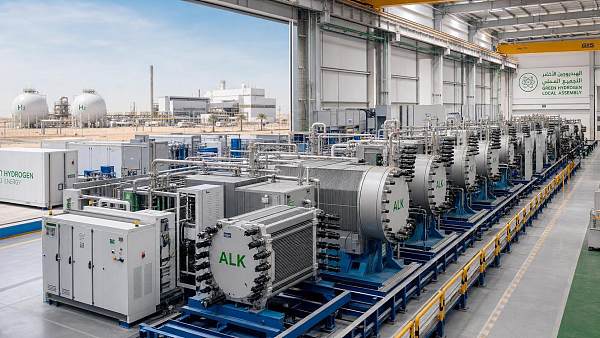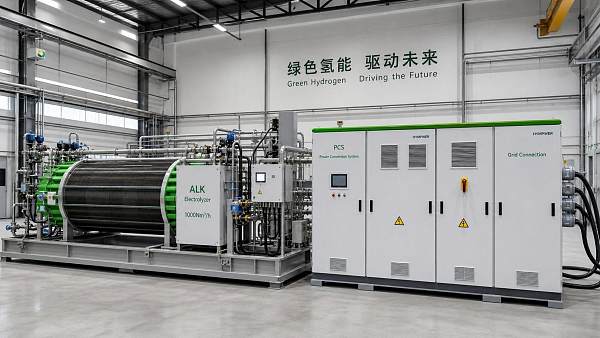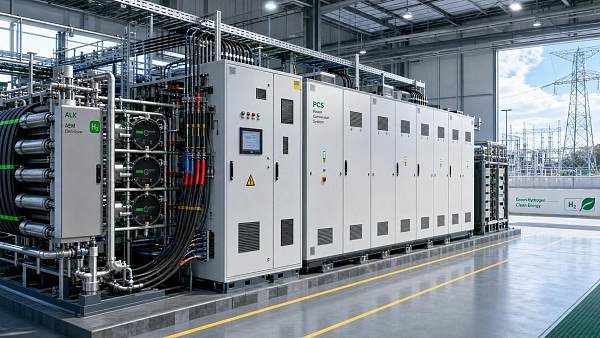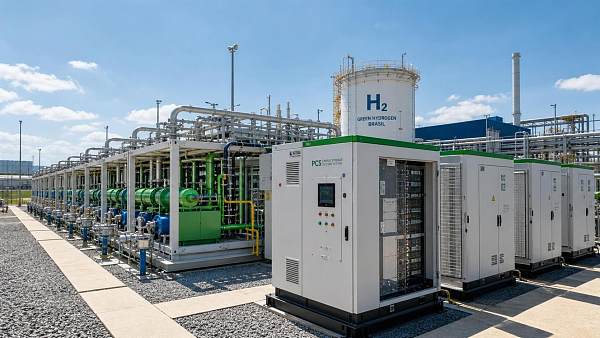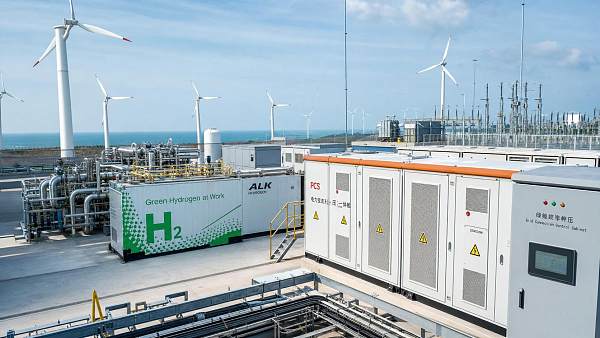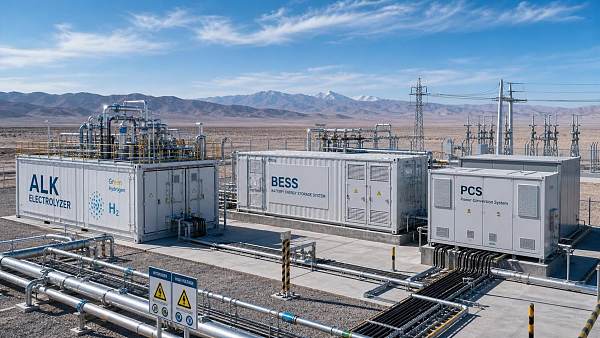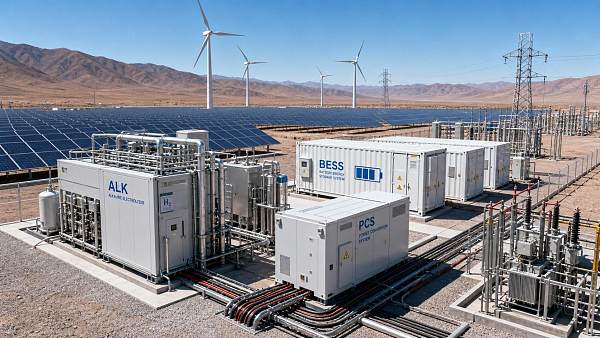
On June 26, 2026, the NEOM green hydrogen project announced the launch of its ALK Electrolyzer Local Assembly Program, a move that combines local assembly requirements with two clear execution thresholds: an ALK system LCOH of no more than $2.1/kg and mandatory use of the ISO 22734-2:2025 certified interface protocol. For electrolyzer manufacturers, line exporters, procurement teams, certification-related service providers, and delivery organizations, this is worth close attention because the change is not only about equipment supply, but about how technical documentation, interface compliance, training transfer, and project delivery may now be structured.
What Has Been Confirmed So Far
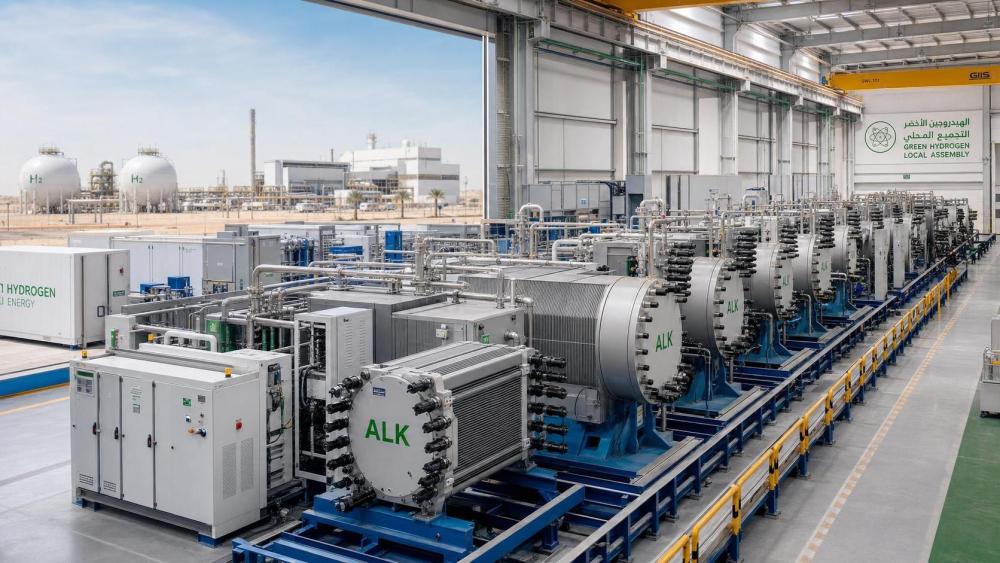
According to the disclosed information, NEOM launched the ALK Electrolyzer Local Assembly Program on June 26, 2026. The first authorized Chinese suppliers are Jingli Special and Suzhou Jinggang, which are permitted to transfer modular production lines and operating training systems to a factory in AlUla.
The announced program sets two explicit requirements. First, ALK systems under the project must meet an LCOH threshold of no more than $2.1/kg. Second, the project requires the use of the ISO 22734-2:2025 certified interface protocol. These are the confirmed facts available from the event title, date, and summary.
Why This Matters Across the Delivery Chain
For equipment makers, the issue is no longer only product export
From an industry perspective, the announced arrangement may affect manufacturers whose business model relies on shipping complete ALK systems without adapting to localized assembly requirements. The practical impact is likely to appear in specification alignment, interface documentation, production modularization, and the ability to package operating know-how as a transferable training system. What deserves closer attention is whether future procurement and delivery discussions increasingly evaluate not just hardware capability, but also the readiness of a supplier to support local assembly under a defined protocol requirement.
For procurement and project execution teams, technical compliance may become more visible in tenders
Procurement organizations and project delivery teams may be affected because the disclosed thresholds create a clearer basis for screening technical bids and supplier submissions. Analysis shows that the LCOH ceiling and mandatory ISO 22734-2:2025 interface requirement could shape how bid documents, technical annexes, interface descriptions, and acceptance criteria are prepared or reviewed. Even where detailed execution rules have not been disclosed, buyers and integrators should pay attention to whether compliance evidence, interface compatibility statements, and training-related deliverables become more central in vendor qualification.
For certification and testing-related services, document readiness may become a bottleneck
Certification-related companies, inspection bodies, and testing support providers may also face new demand if project participants need to demonstrate conformity with the required interface protocol. Observably, the pressure point may not be a broad regulatory expansion, but a narrower need for usable technical files, protocol-related certification records, and consistent submission packages that match project requirements. Where suppliers cannot present these materials in a procurement-ready format, commercial progress may slow even if the equipment itself is otherwise competitive.
For after-sales and traceability functions, localization changes the support burden
Local assembly arrangements can also affect service and traceability functions. Analysis shows that once modular lines and operating training are part of the delivery model, after-sales support may depend more heavily on version control, assembly records, operating procedures, and responsibility boundaries between the original technology provider and the local factory. Companies involved in delivery should therefore watch for any later clarification on documentation standards, handover files, and quality traceability expectations.
Where Companies Should Focus Next
Check whether current interface documents are aligned with ISO 22734-2:2025
Companies involved in ALK equipment supply, module design, or system integration should review whether their current interface descriptions, technical files, and certification materials can be mapped cleanly to the required ISO 22734-2:2025 protocol. The disclosed information does not provide the project's detailed implementation method, so this should be treated as a compliance watchpoint rather than a confirmed checklist.
Prepare bids and delivery files around localization, not only equipment performance
Observably, the announced program places attention on local assembly capability as well as product output. Suppliers should therefore examine whether their bid packages and delivery documents can support modular line transfer, operating training, and traceable handover. This is particularly relevant for exporters and project suppliers whose previous documentation may have been built around finished equipment shipment rather than assembly-based execution.
Watch how the LCOH threshold is reflected in commercial and technical reviews
The announced LCOH requirement of no more than $2.1/kg is a direct project condition, but the current input does not explain how that threshold will be measured, verified, or translated into tender scoring and acceptance practice. For that reason, companies should follow any later wording in procurement files, technical schedules, or clarification notices that could indicate how cost-related performance is expected to be evidenced.
Track supplier qualification and post-delivery responsibilities carefully
Because the disclosed model includes both modular line export and training system transfer, companies should pay attention to future changes in supplier qualification language, service scope allocation, and post-delivery support expectations. This includes reviewing how responsibilities may be divided across manufacturing, installation support, operator training, and quality traceability once local assembly becomes part of the project structure.
How This Signal Should Be Read
Analysis shows that this development is more than a routine project update because it links market access to two specific conditions: a localization-based delivery model and a mandatory protocol requirement. At the same time, it would be premature to treat it as a fully defined regulatory framework beyond the disclosed project context. It is more appropriate to understand this as an execution signal with clear compliance implications, while many practical details still require observation.
What deserves closer attention is whether later procurement language, qualification criteria, and certification practice reinforce the same direction. If they do, suppliers may need to adjust not only technical offerings but also export packaging, training deliverables, and document management to remain competitive in similar project environments.
A Measured Reading of the Announcement
Based on the confirmed information, the immediate significance of this event lies in the combination of local assembly authorization, a stated LCOH ceiling, and a mandatory certified interface protocol. For the industry, the announcement is best read as a concrete project-level execution signal rather than a standalone market conclusion. The key takeaway is that compliance, technical documentation, and delivery structure may now matter as much as equipment capability in this type of opportunity, but the broader impact still depends on how these requirements are carried into later implementation and market response.
Basis of This Article and What Still Needs Verification
This article is generated from the user-provided news title, event date, and event summary. For events of this type, relevant source categories typically include official project announcements, regulator releases, trade or customs authority information, industry association updates, standards organization documents, and reporting by established industry media.
No specific official source link was provided in the input, so the exact original release path still needs to be verified on an ongoing basis. Observably, the points that warrant continued monitoring include any later policy detail, certification interpretation, tender document changes, industry feedback, and evidence of how companies are implementing the announced requirements in practice.
Related News
 Alkaline Electrolyzer Efficiency vs CAPEX: What Matters Most in Project PlanningHydrogen Tech ScientistAlkaline electrolyzer project planning starts with more than efficiency alone. Discover how CAPEX, power cost, utilization, and bankability shape smarter hydrogen investment decisions.
 NEOM Starts ALK Assembly Program, Grants First China LicensesHydrogen Tech ScientistNEOM starts its ALK assembly program with first China licenses, setting a $2.1/kg LCOH cap and ISO 22734-2:2025 interface rule. Learn what it means for suppliers, bids, compliance, and project delivery.
 Brazil ANP Sets PCS Integration Rule for ALK ExportsHydrogen Tech ScientistBrazil ANP sets PCS integration rule for ALK exports, requiring shared-cabinet control and on-site validation. Learn how electrolyzer makers and buyers can prepare for Brazil compliance.
 Brazil Mandates PCS-Integrated ALK ElectrolyzersHydrogen Tech ScientistBrazil mandates PCS-integrated ALK electrolyzers for new orders, requiring IEEE 1547-2018 Rev.2 support and joint certification. Learn what exporters, buyers, and project teams must do now.
 Brazil Sets Integrated PCS Rule for ALK Hydrogen BidsHydrogen Tech ScientistBrazil Sets Integrated PCS Rule for ALK Hydrogen Bids: discover how ANP’s new co-architecture and IEC 61850-7-42 requirements could reshape bidding, compliance, and market access.
 Brazil ANP Tender Sets New Entry Rules for ALK BidsHydrogen Tech ScientistBrazil ANP tender sets new entry rules for ALK bids, requiring PCS integration, IEC 62443-3-3 interfaces, and extra compliance files. See what suppliers must prepare before December.
 Brazil ANP Opens First 1.2GW ALK TenderHydrogen Tech ScientistBrazil ANP opens its first 1.2GW ALK tender, spotlighting PCS co-architecture and IEC 62864-2 grid interface rules. See what suppliers and integrators must prepare now.
 Chile Sets First Grid Code for Green Hydrogen-Storage PlantsHydrogen Tech ScientistChile sets the first grid code for green hydrogen-storage plants, reshaping ALK electrolyzer, PCS/EMS, and BESS integration. Learn what it means for compliance, bidding, and project delivery.
 Chile Sets Grid Rules for Green Hydrogen-BESS PlantsHydrogen Tech ScientistChile sets new grid rules for green hydrogen-BESS plants, requiring shared PCS and EMS control. Learn how the Chile standard could reshape compliance, system design, and Latin America market strategy.
 Chile Sets Grid Rules for ALK-BESS Hybrid PlantsHydrogen Tech ScientistChile Sets Grid Rules for ALK-BESS Hybrid Plants: learn how Chile’s new grid standard reshapes PCS, EMS, and SCADA design, compliance, and project delivery before the July 2026 deadline.
 Chile Sets Grid Rule for ALK-BESS Hybrid PlantsHydrogen Tech ScientistChile Sets Grid Rule for ALK-BESS Hybrid Plants: learn how Chile’s new shared-PCS standard impacts ALK electrolyzers, BESS integration, procurement compliance, and project delivery.
 EU Rule Ties ALK Electrolyzer Exports to PEM CompatibilityHydrogen Tech ScientistEU Rule Ties ALK Electrolyzer Exports to PEM Compatibility: learn how the new EU certification requirement affects compliance, delivery timelines, supplier selection, and market access before Dec 2026.