Electrical Infrastructure Materials That Affect Lifecycle Cost
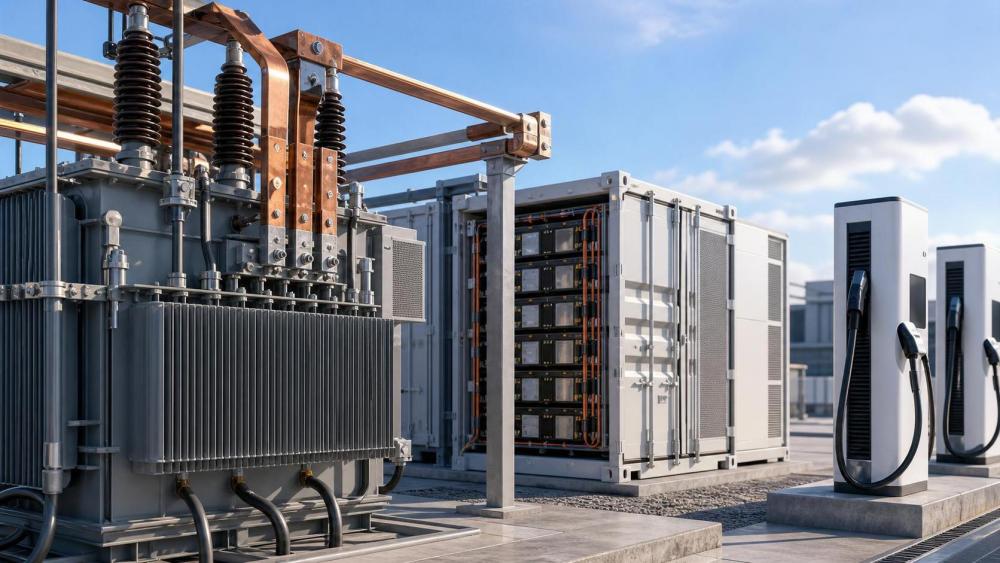
For financial approvers, electrical infrastructure materials shape cost far beyond the purchase order. They influence efficiency, maintenance, uptime, insurance exposure, and replacement timing.
That matters even more in grid-scale storage, UHV transformers, EV charging hubs, hydrogen electrolyzers, and smart transmission systems.
In practice, electrical infrastructure materials decide how an asset ages under heat, vibration, moisture, fault current, and cycling stress.
A cheaper material can look attractive in capex reviews. Later, it may raise losses, increase outages, or shorten service intervals.
A better material often costs more upfront. Still, it can protect returns through longer life, lower operating cost, and tighter risk control.
This is why lifecycle cost analysis should sit beside unit pricing when comparing electrical infrastructure materials.
Why Material Choice Changes Total Cost of Ownership
Total cost of ownership is shaped by five material-driven factors: energy loss, maintenance load, failure probability, compliance risk, and residual value.
Take conductors as a simple example. Copper and aluminum deliver different performance in conductivity, thermal behavior, joint stability, and installation method.
That difference affects line loss, connector heating, and long-term inspection frequency. The capex gap is only part of the financial story.
The same logic applies to insulation, enclosure metals, coatings, busbar materials, seals, coolant-contact parts, and fire-resistant barriers.
For energy infrastructure, the best purchasing decision usually comes from cost-per-service-year, not lowest bid.
Key Cost Channels to Watch
- Electrical losses from lower conductivity or poorer thermal management.
- More frequent replacement of seals, coatings, connectors, and insulation systems.
- Higher outage cost caused by corrosion, tracking, arc damage, or thermal fatigue.
- Insurance, safety, and compliance costs linked to fire propagation or fault behavior.
- Lower resale or refurbishment value at the end of useful life.
The Electrical Infrastructure Materials With the Biggest Financial Impact
Not every component deserves the same scrutiny. A few electrical infrastructure materials usually dominate lifecycle cost and deserve deeper commercial review.
Conductors and Busbars
Copper remains the benchmark where current density, compact design, and low resistance matter most. This is common in switchgear, transformers, and BESS power paths.
Aluminum can reduce purchase cost and weight. Yet termination quality, creep behavior, and joint design need tighter control.
Insulation Systems
Insulation is not just a technical detail. It directly affects asset life under heat, humidity, contamination, and overvoltage events.
Higher-grade polymers, mica systems, epoxy formulations, and specialty papers can reduce partial discharge risk and extend service intervals.
Enclosures, Coatings, and Structural Metals
Outdoor infrastructure faces salt, dust, UV exposure, thermal cycling, and chemical attack. Poor metal selection often creates hidden opex through corrosion management.
Galvanized steel, stainless steel, aluminum alloys, and advanced coatings each have different cost curves depending on the site environment.
Thermal Management Materials
In BESS containers, EV charging cabinets, and power electronics, heat control is a direct financial issue. Better thermal interface materials improve stability and reduce degradation.
For liquid cooling systems, compatibility between pipes, plates, seals, coolant, and corrosion inhibitors is just as important as cooling capacity.
How Lifecycle Cost Plays Out Across Modern Energy Assets
The same category of electrical infrastructure materials behaves differently across asset types. Context matters, especially when duty cycles are extreme.
Grid-Scale BESS Containers
Materials inside battery containers must handle temperature swings, vibration, moisture ingress, and fire containment demands.
Busbar plating, coolant-contact metals, cable insulation, and fire-rated partitions strongly affect maintenance cost and downtime risk.
Lower-grade choices may pass acceptance tests, then fail economically after repeated charging cycles and hot-weather operation.
UHV Transformers and Smart Grid Equipment
In transformers, conductor purity, insulation paper, oil compatibility, and core materials shape efficiency and expected life.
For GIS, breakers, and HVDC systems, material selection affects arc resistance, dielectric performance, and service continuity.
When these assets fail, the financial impact is not local. It can spread through curtailment, penalties, and delayed dispatch.
EV Charging and Swapping Infrastructure
High-voltage fast charging creates repeated thermal stress. Connector materials, cooling plates, cable jackets, and contact surfaces matter more than many budgets assume.
A charging site with frequent connector replacement or overheating alarms quickly loses commercial efficiency.
Hydrogen Electrolyzers
Electrolyzer systems add corrosion and chemical compatibility challenges. Materials in bipolar plates, seals, coatings, and piping influence uptime and purity control.
In these environments, a low-cost material mismatch can create expensive shutdowns and difficult warranty disputes.
A Practical Evaluation Framework for Procurement Decisions
A useful review process compares electrical infrastructure materials through commercial evidence, not brochure language.
The goal is simple: separate price reduction from value creation.
Questions That Improve Approval Quality
- What is the expected service life under the actual site environment?
- How does the material affect loss, cooling load, and operating efficiency?
- What failure modes appear after repeated thermal and electrical stress?
- Which standards, fire tests, and corrosion tests support the claims?
- How available are replacements, and what is the repair lead time?
- What warranty exclusions are tied to material compatibility or maintenance practice?
A Simple Comparison Table
Common Mistakes When Comparing Electrical Infrastructure Materials
One common mistake is treating all compliant materials as commercially equal. Meeting a standard does not guarantee the same field performance.
Another mistake is ignoring local operating conditions. Coastal, desert, cold-climate, and high-cycling sites reward different material strategies.
A third issue is reviewing components in isolation. Electrical infrastructure materials interact as systems, especially in thermal and chemical environments.
This is especially visible in BESS and high-power charging, where cooling loops, seals, plating, and electrical contacts must work together.
What Stronger Approval Decisions Look Like
Better decisions usually come from asking suppliers to prove lifecycle economics with test evidence, field references, and maintenance assumptions.
That means requesting loss data, corrosion resistance records, thermal cycling performance, and material compatibility documentation.
It also means ranking electrical infrastructure materials by business criticality, not by catalog category.
For modern grid assets, the best material choice is rarely the cheapest line item. It is the one that protects asset availability and return over time.
When evaluating electrical infrastructure materials, use upfront price as the starting point, then follow the money through losses, maintenance, downtime, and risk.
That approach turns procurement into a stronger capital decision, especially in energy systems where one material choice can influence years of operating performance.
Related News
 Electrical Infrastructure Materials That Affect Lifecycle CostMr. Orion SterlingElectrical infrastructure materials directly shape lifecycle cost through losses, maintenance, downtime, and risk. Discover how smarter material choices protect ROI.
 Supplier Capability Evaluation Checklist for High-Risk Energy ProjectsMr. Orion SterlingSupplier capability evaluation checklist for high-risk energy projects. Learn how to assess safety, compliance, quality, and delivery resilience to reduce risk and improve sourcing decisions.
 Peak Shaving Solution Europe: When the ROI Works in 2026Mr. Orion SterlingPeak shaving solution Europe: discover when ROI works in 2026, which sites profit first, and how to compare BESS options for faster payback, lower grid costs, and scalable energy flexibility.
![]() Zero Carbon Grid Solution Integration: Key Design Choices and Cost RisksMr. Orion SterlingZero carbon grid solution integration explained: discover key design choices, hidden interface cost risks, and how storage, EV charging, transmission, and hydrogen affect project value.
Zero Carbon Grid Solution Integration: Key Design Choices and Cost RisksMr. Orion SterlingZero carbon grid solution integration explained: discover key design choices, hidden interface cost risks, and how storage, EV charging, transmission, and hydrogen affect project value. Energy Arbitrage Calculator: What Inputs Change ROI the Most?Mr. Orion SterlingEnergy arbitrage calculator insights: discover which inputs most affect ROI, from price spreads and efficiency to degradation, demand charges, and dispatch risk.
 Grid-Scale Storage Systems: Cost Drivers, Revenue Paths, and Payback RisksMr. Orion SterlingGrid-scale storage systems explained: uncover key cost drivers, revenue streams, and payback risks to evaluate projects smarter and invest with greater confidence.
 Energy Intelligence Platforms for Sourcing: What to Compare Before You BuyMr. Orion SterlingEnergy intelligence platforms for sourcing: compare supplier depth, technical compliance, market signals, and lifecycle cost tools before you buy to reduce risk and choose with confidence.
 LCOS Benchmarking Methods That Expose Hidden Storage CostsMr. Orion SterlingLCOS benchmarking methods that reveal hidden storage costs, from augmentation and thermal losses to downtime and compliance, helping buyers compare BESS projects with confidence.
 Zero-Carbon Infrastructure in Europe: What Will Shape Projects in 2026Mr. Orion SterlingZero-carbon infrastructure Europe enters a tougher 2026 phase shaped by storage, grids, hydrogen, and EV charging. Discover what makes projects bankable, compliant, and investment-ready.
 Dynamic Power Flow Control: When It Pays Off in Congested GridsMr. Orion SterlingDynamic power flow control can unlock hidden grid capacity, cut curtailment, and defer costly upgrades. Learn where it delivers the fastest ROI in congested grids.
 Grid-Scale Energy Storage Cost Drivers in 2026Mr. Orion SterlingGrid-scale energy storage cost drivers in 2026 go far beyond battery prices. Explore how thermal control, PCS efficiency, safety, software, and financing reshape project returns.
 Utility Scale Battery Storage Solutions: Key Cost Drivers Beyond Battery CellsMr. Orion SterlingUtility scale battery storage solutions cost far more than battery cells alone. Explore hidden drivers like thermal design, PCS, safety, EPC, and interconnection to compare suppliers smarter.