Grid Resilience Solution Price: Cost Drivers and ROI Benchmarks
Evaluating the grid resilience solution price requires more than comparing upfront quotes. The visible number is only one part of the buying logic.
Real project value sits in performance under stress, compliance readiness, operating life, and how fast the asset pays back.
That matters even more in today’s energy transition. Power systems now face renewable intermittency, higher load volatility, and tighter reliability expectations.
In practical terms, a sound grid resilience solution price should reflect dispatch flexibility, thermal safety, conversion efficiency, and serviceability across the full lifecycle.
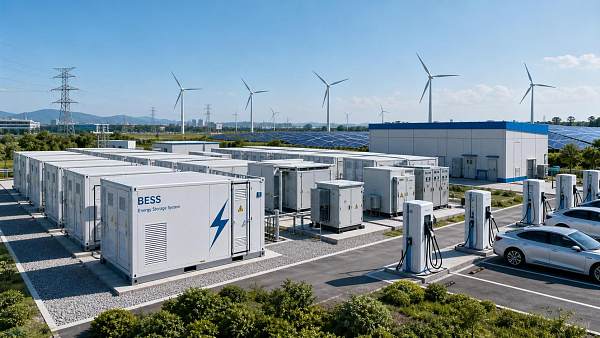
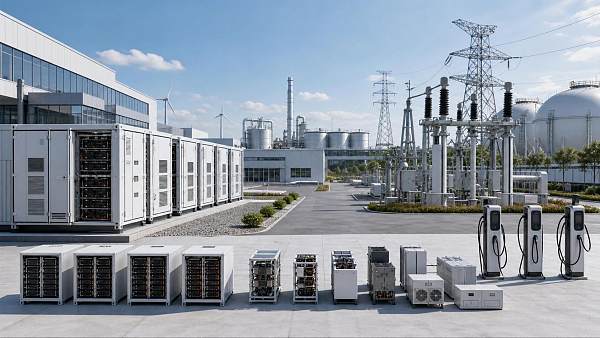
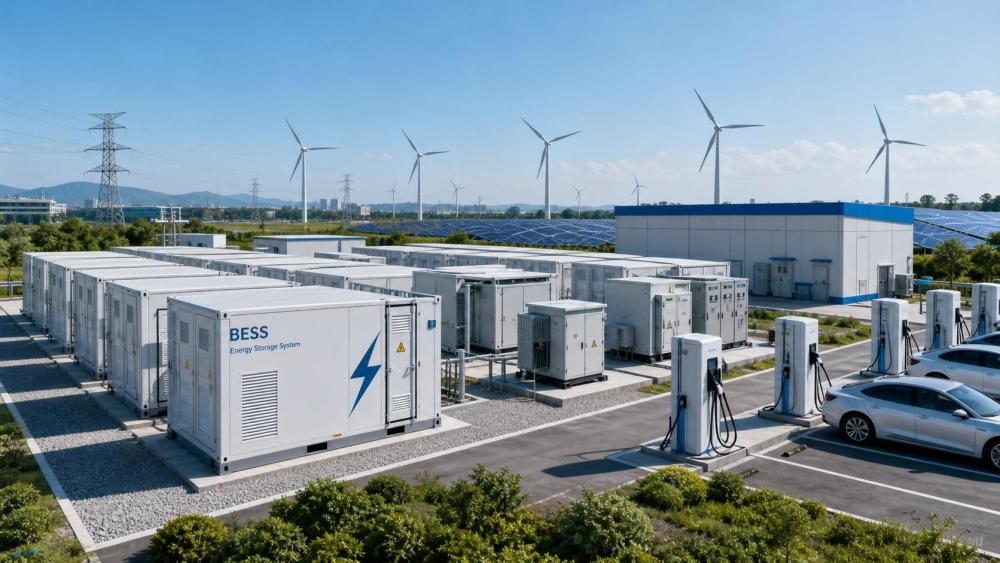
For projects involving BESS containers, smart grid equipment, EV charging hubs, or hybrid microgrids, pricing logic becomes highly technical very quickly.
This guide breaks down the main cost drivers, typical ROI benchmarks, and the questions that help separate a strong offer from a risky low quote.
What Shapes the Grid Resilience Solution Price
The first driver is system scale. Larger MW and MWh ratings usually reduce unit cost, but they also raise integration complexity.
A small industrial backup system prices differently from a utility-scale resilience platform supporting peak shaving, frequency response, and black start capability.
Battery chemistry also matters. LFP remains common for stationary storage because it balances safety, cycle life, and bankability better than many alternatives.
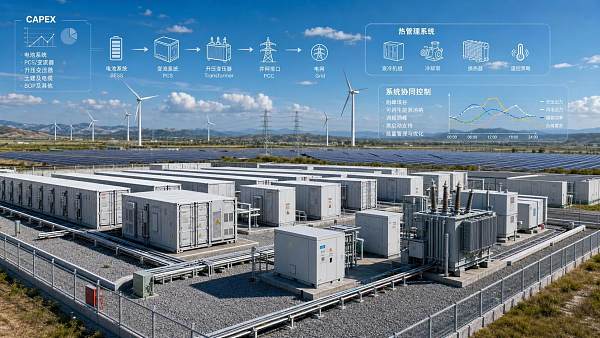
Thermal management is another major cost lever. Advanced liquid cooling adds capex, yet it often improves cell consistency, throughput, and long-term reliability.
That directly affects the grid resilience solution price because temperature control influences degradation, safety margins, and usable energy over time.
Power conversion system design is equally important. PCS selection affects round-trip efficiency, ramp response, harmonic control, and grid-code compliance.
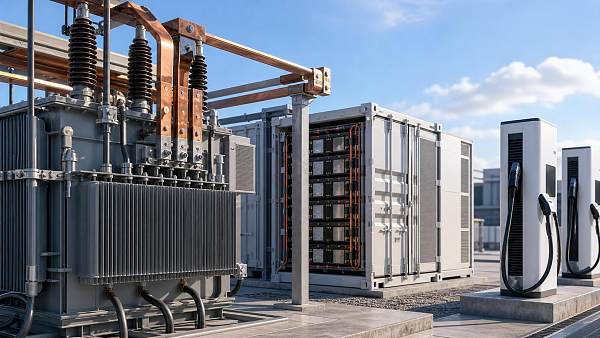
Buyers should also watch transformer scope, switchgear quality, EMS software, fire suppression, and communication architecture. These items often move quotes by a meaningful margin.
- System size and duration, such as 2-hour versus 4-hour storage
- Cooling method, especially air cooling versus liquid cooling
- PCS topology, redundancy level, and conversion efficiency
- Protection, fire safety, and thermal runaway mitigation design
- Controls, SCADA, cybersecurity, and VPP readiness
- Site conditions, civil works, interconnection, and permitting
From recent market changes, the clearer signal is this: the grid resilience solution price increasingly reflects resilience performance, not only equipment count.
Why Cheap Quotes Often Become Expensive Projects
A low initial number can look attractive during tender review. In operation, though, missing scope usually resurfaces as delay, retrofit cost, or lower revenue.
One common issue is oversized performance promises with limited warranty support. Another is under-specified auxiliary systems, especially HVAC and fire protection.
In resilience projects, downtime has a real price. If the asset fails during peak events, the financial loss can outweigh upfront savings very quickly.
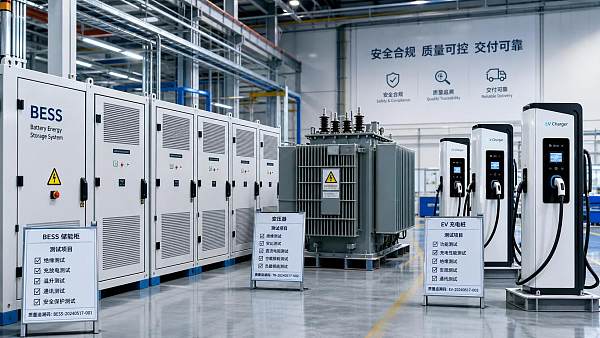
The same applies to compliance gaps. UL 9540A, grid interconnection rules, local fire codes, and utility testing protocols can add cost late in the project.
That is why a realistic grid resilience solution price should include validation effort, commissioning support, and documented response under fault or thermal stress.
A useful buying habit is comparing normalized cost instead of line-item totals alone. Look at cost per usable kWh, cost per guaranteed cycle, and cost per available hour.
Core Cost Drivers Buyers Should Benchmark
When benchmarking the grid resilience solution price, focus on five commercial and technical buckets. They explain most quote variation.
1. Energy Storage Hardware
This includes cells, racks, containers, BMS, and thermal systems. Battery pricing may fall, but integration quality still drives delivered project value.
2. Power and Grid Interface
PCS, transformers, switchgear, relay protection, and harmonic filtering sit here. Fast response and stable grid behavior are rarely the cheapest option.
3. Software and Dispatch Intelligence
EMS, forecasting, demand control, and VPP integration can materially improve project returns. Software quality shapes both resilience and monetization.
4. Compliance and Safety
Certification, testing, arc flash protection, fire suppression, and emergency response planning should be priced early, not pushed into change orders.
5. Lifecycle Support
O&M contracts, spare parts, diagnostics, and performance guarantees influence total ownership cost more than many first-time buyers expect.
In actual projects, the best grid resilience solution price often comes from balanced engineering, not stripped-down hardware lists.
ROI Benchmarks That Make Price Comparisons Useful
Price alone does not close the case. The stronger metric is how the system turns reliability and flexibility into measurable cash flow or avoided loss.
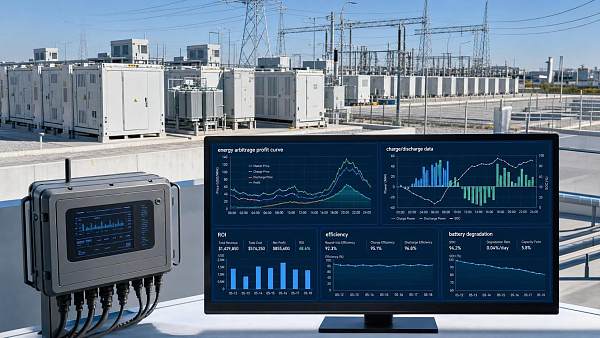
Most resilience projects evaluate ROI through four lenses: energy arbitrage, demand charge reduction, capacity support, and outage risk mitigation.
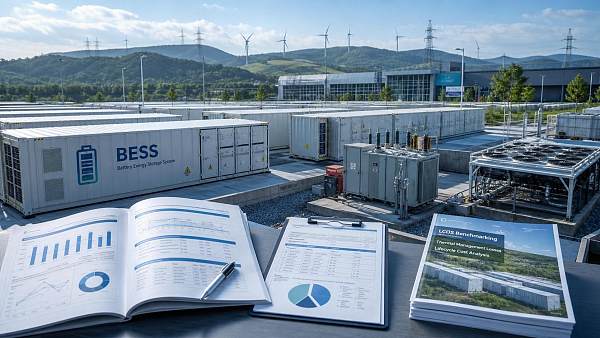
For utility-scale storage, LCOS is a useful benchmark. It helps compare different designs across lifetime output rather than purchase price alone.
For commercial and industrial sites, payback period and internal rate of return often carry more decision weight than pure capex metrics.
A practical benchmark table keeps discussions grounded.
This also means the right grid resilience solution price may be the offer with the stronger uptime guarantee, not the lowest invoice total.
Questions to Ask Before Approving a Purchase
Good procurement outcomes depend on disciplined questioning. The aim is to expose hidden cost, weak assumptions, and inflated revenue forecasts early.
- What usable capacity is guaranteed at year one and at end of warranty?
- What ambient conditions were assumed in thermal and degradation models?
- Which compliance tests are included in the quoted grid resilience solution price?
- How is availability measured, and what remedies apply if targets are missed?
- What software functions require separate licensing later?
- Which civil, interconnection, and commissioning costs remain outside the bid?
These questions create cleaner bid comparisons. They also help align technical teams, finance teams, and project delivery teams before contract signature.
A Smarter Way to Read the Grid Resilience Solution Price
The most useful mindset is simple: buy delivered resilience, not just installed equipment. That is the clearest way to read the grid resilience solution price.
A credible quote should connect engineering detail with business outcomes. It should show how the system protects continuity, captures value, and stays compliant.
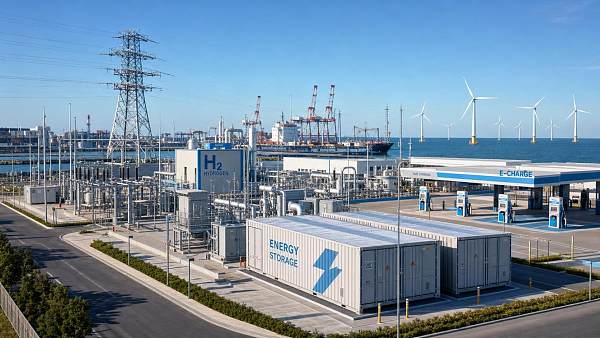
For grid-scale BESS, smart T&D assets, EV charging energy hubs, and hybrid microgrids, the winning proposal usually combines safe design with transparent lifecycle economics.
When comparing offers, normalize every bid around usable output, availability, degradation, compliance scope, and service response. That makes price comparison far more honest.
In the end, the right grid resilience solution price is the one that supports stable power flow, protects asset value, and delivers dependable ROI under real operating conditions.
Related News
 Grid Resilience Solution Price: Cost Drivers and ROI BenchmarksMr. Orion SterlingGrid resilience solution price explained: compare cost drivers, hidden risks, and ROI benchmarks to choose a safer, higher-value energy resilience investment.
 Millisecond Grid Control Cost: What Drives ROI in Fast-Response Storage?Mr. Orion SterlingMillisecond grid control cost directly affects ROI in fast-response storage. Discover what drives returns, lowers risk, and improves revenue, uptime, and bankability.
 Renewable Power Storage Solution Cost: What Drives CAPEX and PaybackMr. Orion SterlingRenewable power storage solution cost explained: discover what drives CAPEX, thermal design, PCS, safety compliance, and payback to make smarter, lower-risk storage investment decisions.
 Electrical Infrastructure Materials That Affect Lifecycle CostMr. Orion SterlingElectrical infrastructure materials directly shape lifecycle cost through losses, maintenance, downtime, and risk. Discover how smarter material choices protect ROI.
 Supplier Capability Evaluation Checklist for High-Risk Energy ProjectsMr. Orion SterlingSupplier capability evaluation checklist for high-risk energy projects. Learn how to assess safety, compliance, quality, and delivery resilience to reduce risk and improve sourcing decisions.
 Peak Shaving Solution Europe: When the ROI Works in 2026Mr. Orion SterlingPeak shaving solution Europe: discover when ROI works in 2026, which sites profit first, and how to compare BESS options for faster payback, lower grid costs, and scalable energy flexibility.
![]() Zero Carbon Grid Solution Integration: Key Design Choices and Cost RisksMr. Orion SterlingZero carbon grid solution integration explained: discover key design choices, hidden interface cost risks, and how storage, EV charging, transmission, and hydrogen affect project value.
Zero Carbon Grid Solution Integration: Key Design Choices and Cost RisksMr. Orion SterlingZero carbon grid solution integration explained: discover key design choices, hidden interface cost risks, and how storage, EV charging, transmission, and hydrogen affect project value. Energy Arbitrage Calculator: What Inputs Change ROI the Most?Mr. Orion SterlingEnergy arbitrage calculator insights: discover which inputs most affect ROI, from price spreads and efficiency to degradation, demand charges, and dispatch risk.
 Grid-Scale Storage Systems: Cost Drivers, Revenue Paths, and Payback RisksMr. Orion SterlingGrid-scale storage systems explained: uncover key cost drivers, revenue streams, and payback risks to evaluate projects smarter and invest with greater confidence.
 Energy Intelligence Platforms for Sourcing: What to Compare Before You BuyMr. Orion SterlingEnergy intelligence platforms for sourcing: compare supplier depth, technical compliance, market signals, and lifecycle cost tools before you buy to reduce risk and choose with confidence.
 LCOS Benchmarking Methods That Expose Hidden Storage CostsMr. Orion SterlingLCOS benchmarking methods that reveal hidden storage costs, from augmentation and thermal losses to downtime and compliance, helping buyers compare BESS projects with confidence.
 Zero-Carbon Infrastructure in Europe: What Will Shape Projects in 2026Mr. Orion SterlingZero-carbon infrastructure Europe enters a tougher 2026 phase shaped by storage, grids, hydrogen, and EV charging. Discover what makes projects bankable, compliant, and investment-ready.