For project managers and engineering leads, smart grid technology standards often decide whether a proposal advances quickly or slows in technical review.
They affect grid stability, interoperability, safety, cybersecurity, and high-voltage compliance across storage, transmission, charging, and hydrogen-linked infrastructure.
In complex energy projects, early alignment with smart grid technology standards reduces redesign, shortens approval cycles, and improves investor confidence.
This matters especially where BESS containers, UHV assets, smart substations, EV charging hubs, and digital dispatch platforms must work as one system.
When project approval risk rises: the standards review scenario
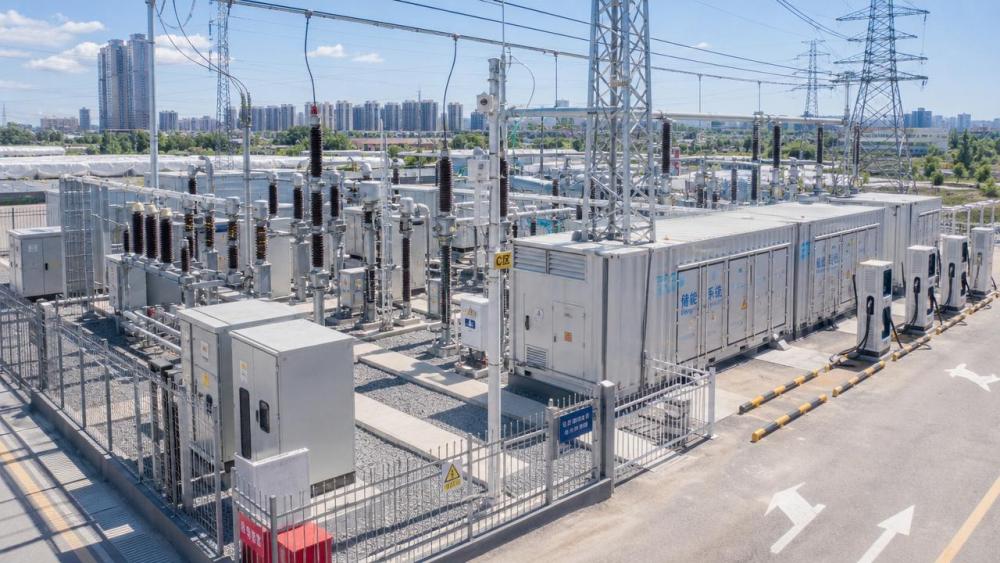
Approval pressure increases when projects connect multiple technologies, voltage classes, or operating entities across one grid-facing development.
Review teams usually examine whether smart grid technology standards have been reflected in design assumptions, test plans, protection logic, and operating procedures.
A utility-scale battery project may pass equipment inspection yet fail integration review if communication protocols or fire testing evidence are incomplete.
Likewise, a fast-charging hub can face delays when harmonics, load control, and cybersecurity requirements were treated as later-phase issues.
The practical lesson is simple: smart grid technology standards are not paperwork after engineering. They are design inputs from the beginning.
Which approval scenarios are most affected by smart grid technology standards
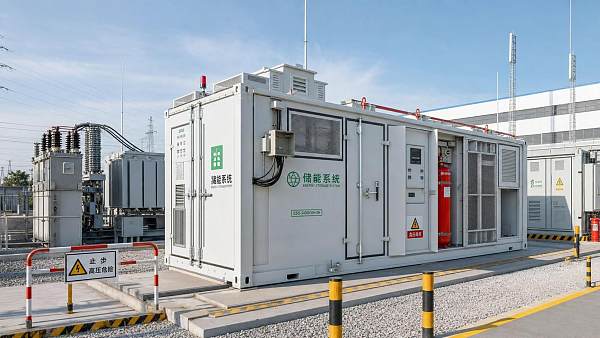
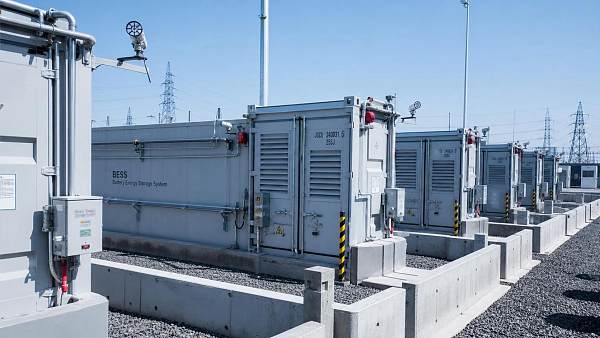
Grid-scale BESS interconnection and fire safety review
Battery projects often face the toughest cross-discipline review because electrical, thermal, software, and emergency response standards all intersect.
Reviewers commonly focus on UL 9540, UL 9540A, IEEE interconnection guidance, local fire codes, and utility-specific control requirements.
If thermal propagation data, shutdown sequences, and PCS response logic are unclear, approval confidence drops quickly.
This is where smart grid technology standards directly influence enclosure layout, liquid cooling design, inverter coordination, and protection zoning.
UHV and HV transmission upgrades with strict reliability expectations
Transmission projects face a different review logic. The concern is system reliability under extreme voltage, fault, and distance conditions.
Standards tied to insulation coordination, relay protection, GIS performance, transformer testing, and HVDC control behavior become central.
Here, smart grid technology standards support approval by proving that high-capacity assets can operate safely in dynamic electromagnetic environments.
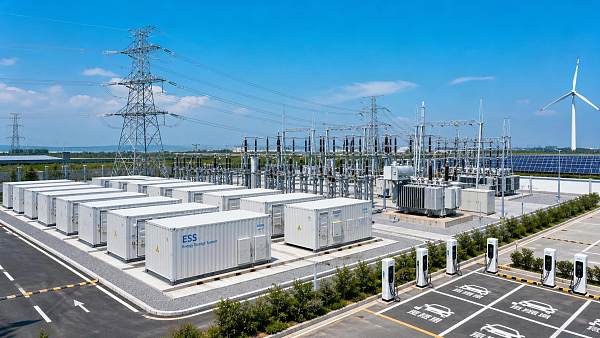
Mega EV charging or swapping hubs in constrained distribution networks
Charging infrastructure approvals often depend on local network stress rather than charger quantity alone.
Planners must show compliance around power quality, peak demand management, transformer loading, communications, and increasingly V2G functionality.
Smart grid technology standards matter because charging hubs are no longer passive loads. They are flexible assets within digital grid operations.
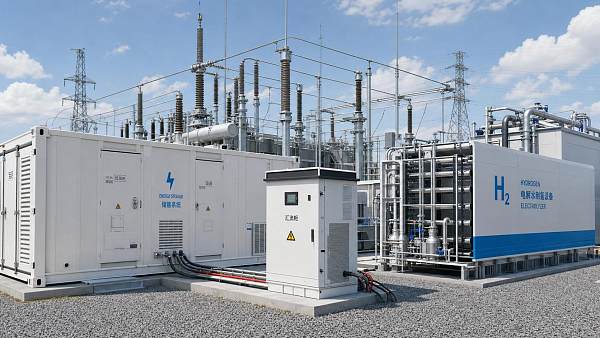
Hydrogen electrolyzer projects linked to renewable curtailment recovery
Electrolyzer projects often pass environmental interest checks but slow down at power system integration stages.
Authorities need proof that large, fast-changing electrical loads will not destabilize nearby feeders or substation operations.
Relevant smart grid technology standards help define ramping behavior, power electronics interaction, fault response, and dispatch coordination.
How standards requirements differ across common energy infrastructure scenarios
Not every project is judged by the same criteria. Approval pathways change with asset type, grid impact, and operational complexity.
This comparison shows why smart grid technology standards should be mapped to project scenario before procurement and permitting begin.
What approval-ready projects do differently in each scenario
Projects that move smoothly usually translate standards into evidence packages, not just specification lists.
- Define applicable smart grid technology standards at concept stage, including utility, national, and site-specific layers.
- Connect standards requirements to one-line diagrams, controls architecture, thermal design, and communication interfaces.
- Prepare test evidence early for interoperability, black start behavior, anti-islanding, fault ride-through, and emergency shutdown.
- Document how software updates, remote access, and cybersecurity controls will remain compliant after commissioning.
- Use digital modeling to show stable operation during peak demand, renewable swings, and contingency events.
For integrated portfolios, this discipline is especially valuable. BESS, charging, hydrogen loads, and smart substations increasingly share dispatch and data layers.
Without structured compliance mapping, one subsystem can delay the whole approval process.
Common mistakes when applying smart grid technology standards
Several recurring errors cause avoidable delay, even in technically strong projects.
Treating standards as equipment-only requirements
Many teams verify device certifications yet overlook system-level behaviors such as response speed, coordinated tripping, or communications resilience.
Ignoring local grid code interpretation
Global standards help, but local authorities may apply stricter views on fire spacing, reactive power capability, or remote disconnection logic.
Leaving cybersecurity too late
Smart grid technology standards increasingly include secure communications, access control, patch management, and incident traceability expectations.
If the cybersecurity architecture is added late, redesign usually affects SCADA, EMS, charging backend, and field device integration.
Underestimating data and interoperability evidence
Reviewers increasingly ask whether assets from different vendors can exchange data consistently during normal and fault conditions.
That makes IEC-oriented interoperability planning a practical approval issue, not just an operational preference.
A practical framework for scenario-based standards alignment
A clear workflow helps teams apply smart grid technology standards without overdesigning or missing key approvals.
- Identify the dominant approval scenario: storage, transmission, charging, hydrogen, or mixed-asset integration.
- List mandatory standards, utility rules, fire codes, and digital security obligations.
- Translate each requirement into design documents, simulation outputs, and factory or site acceptance tests.
- Check cross-system interactions, especially between PCS, EMS, relay protection, metering, and remote dispatch interfaces.
- Build an approval dossier that explains compliance in operational language, not only engineering language.
This framework is highly relevant for intelligence-led platforms like ESGS, where BESS containers, UHV systems, charging networks, and electrolyzers converge.
In those environments, smart grid technology standards become the common language linking safety, control speed, asset returns, and grid trust.
Next steps for reducing approval delays
The fastest path to approval is early scenario diagnosis supported by standards mapping, simulation evidence, and integration-focused documentation.
Start by reviewing whether the project’s critical risks are thermal, electrical, digital, or dispatch-related. Then align the evidence package accordingly.
Where projects combine storage, transmission, charging, and hydrogen infrastructure, smart grid technology standards should be managed as a strategic workstream.
That approach improves approval certainty, protects schedules, and supports stronger long-term grid performance in a rapidly electrifying energy economy.
Related News
 Energy Transition Standards Compared: Which Ones Matter for Project Approval?Dr. Valeria ThorneEnergy transition standards compared: learn which codes and tests truly influence project approval for BESS, grid, hydrogen, and EV charging assets.
 Containerized Battery Storage Fire Rated: Key Codes, Test Standards, and GapsDr. Valeria ThorneContainerized battery storage fire rated: learn the key codes, UL 9540A limits, enclosure vs. thermal runaway risks, and the compliance gaps that can delay BESS approval.
 Clean Energy Integration Grid Code: Key Compliance Risks to Check EarlyDr. Valeria ThorneClean energy integration grid code risks can derail design, approvals, and bankability early. Discover the key compliance checks to reduce rework, delays, and costly grid-connection surprises.
 1500V Battery Management Systems: Key Safety Checks Before DeploymentDr. Valeria ThorneBattery management systems 1500V demand rigorous pre-deployment checks. Discover key safety reviews for sensing, isolation, balancing, and fault protection before energization.
 BESS Fire Safety: 6 Risks to Review Before DeploymentDr. Valeria ThorneBESS fire safety is critical before deployment. Review 6 key risks—thermal runaway, propagation, ventilation, suppression, emergency response, and go-live checks—to protect assets and cut costly downtime.
 Battery Energy Storage Safety Checklist for Daily OperationsDr. Valeria ThorneBattery energy storage safety made practical: use this daily operations checklist to spot risks early, prevent outages, and keep BESS sites compliant and reliable.
 TÜV Rheinland Opens Fast-Track for EU Battery RuleDr. Valeria ThorneTÜV Rheinland opens a fast-track route under the EU Battery Regulation, helping BESS suppliers speed CE marking, DBP readiness, and export compliance for the EU market.
 Grid Resilience Standards to Watch in 2026Dr. Valeria ThorneGrid resilience standards to watch in 2026: explore UL 9540, NERC, IEC 61850, IEC 62443, and NFPA 855 shaping BESS, EV charging, hydrogen, and transmission compliance.
 Thermal Runaway Prevention: 7 Design Risks to Check EarlyDr. Valeria ThorneThermal runaway prevention starts early. Discover 7 design risks in BESS, charging hubs, and grid systems to improve safety, compliance, and uptime.
 Smart Grid Technology Standards That Matter for Grid ComplianceDr. Valeria ThorneSmart grid technology standards shape compliance, safety, interoperability, and project bankability. Learn which standards matter most and how to reduce grid approval risk.
 What Grid Stability Means for New Energy Storage ProjectsDr. Valeria ThorneGrid stability shapes the success of new energy storage projects, affecting safety, interconnection, dispatch value, and returns. Learn what developers must assess before investing.
 Thermal Management Failures in BESS and How to Prevent ThemDr. Valeria ThorneThermal management failures in BESS can trigger safety, uptime, and compliance risks. Learn the early warning signs and practical steps to prevent costly heat-related events.