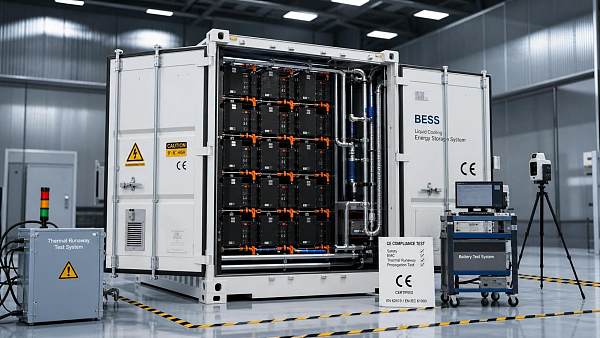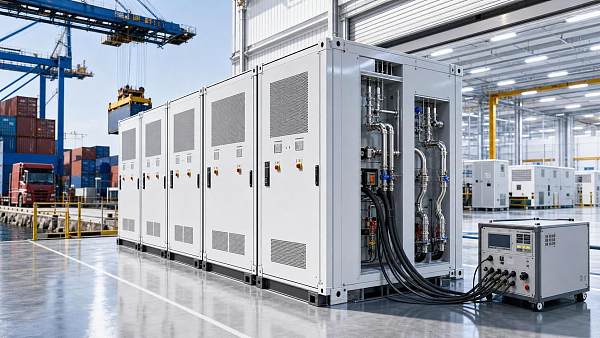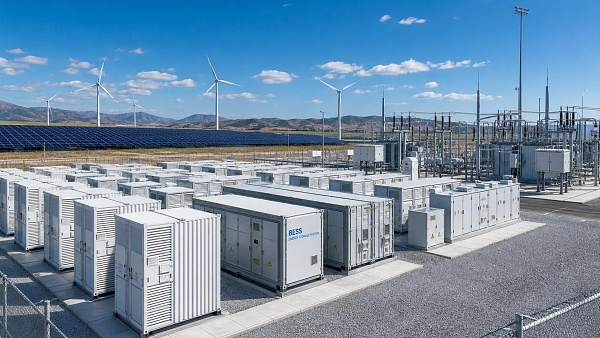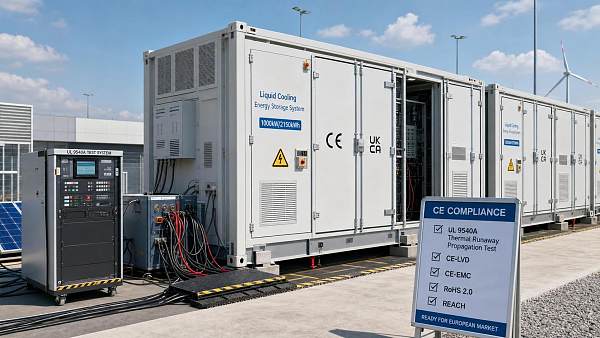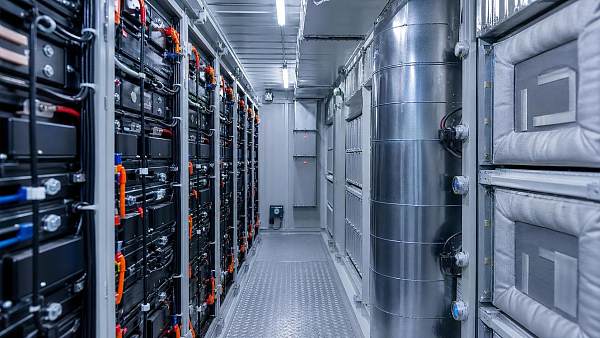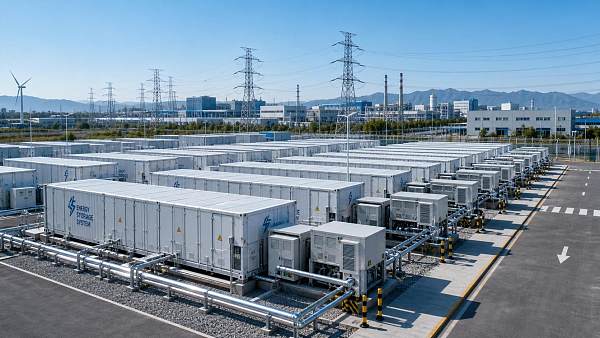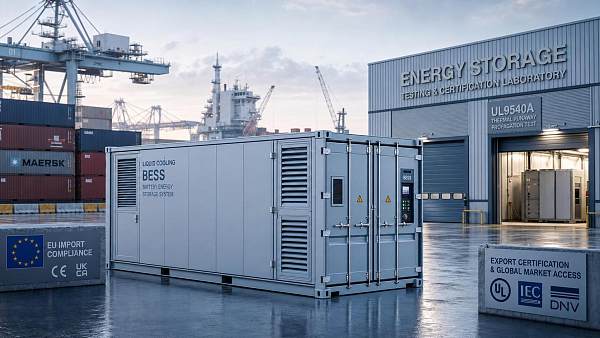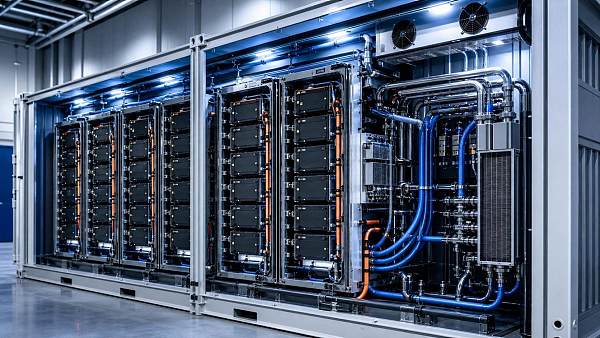
On June 3, 2026, CNGR Advanced Material launched the third phase of its “Garuda Muda” training program at its Morowali industrial base in Indonesia. Beyond a company training update, this development is better read as an execution signal for a more localized delivery model in liquid-cooled BESS projects: equipment may still come from Chinese suppliers, but installation, commissioning, operation, and diagnostic response are increasingly expected to be supported by in-market service capability. For equipment makers, EPC participants, procurement teams, and after-sales providers, the practical issue is not only technical readiness but also whether future project delivery, service commitments, technical documentation, and compliance review will place greater weight on local service capacity.
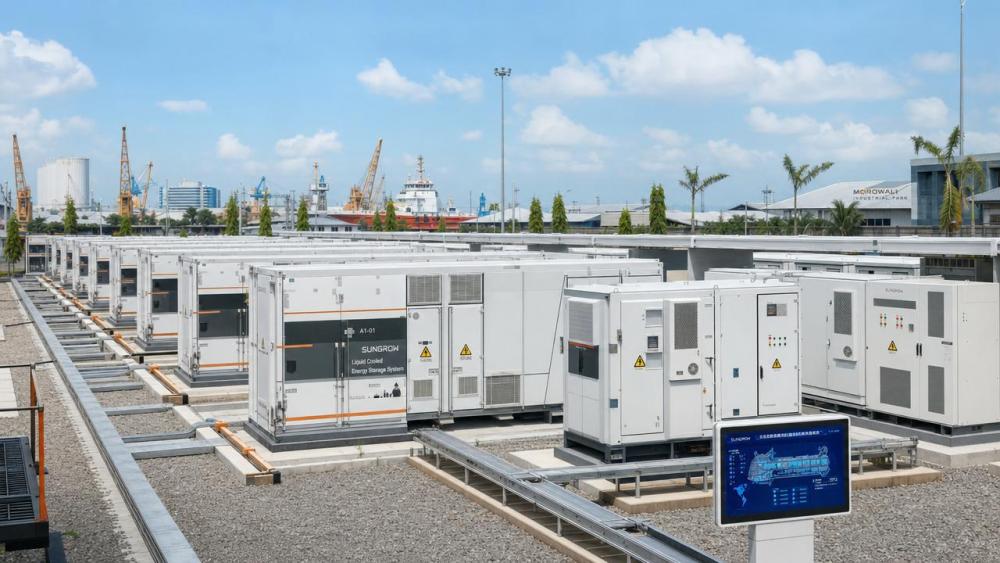
What has been confirmed at the Morowali base
The confirmed facts are limited but clear. On June 3, 2026, CNGR Advanced Material started Phase III of the “Garuda Muda” program at its industrial base in Morowali, Indonesia. The first group of 32 Indonesian engineers completed hands-on assessment covering liquid-cooled BESS thermal management, PCS joint commissioning, and EMS remote diagnostics. According to the event summary, the project has already established localized technical capability across design, installation, and operation and maintenance, and can provide Southeast Asian customers with a turnkey solution described as “Chinese equipment + Indonesian services.”
Why this matters for delivery rules, procurement, and service compliance
For equipment exporters, service capability may become part of the deal
From an industry perspective, this development suggests that product export alone may be less sufficient in projects where buyers care about response time, commissioning quality, and operational continuity. The likely impact is not an automatically changed law or standard, but a shift in practical procurement expectations: technical offers, scope definition, service commitments, and acceptance conditions may increasingly be reviewed together with local execution capability. What deserves closer attention is whether project owners and procurement teams begin asking for clearer evidence of local commissioning support, remote diagnostic readiness, and lifecycle service arrangements.
For buyers and project developers, delivery risk is moving closer to O&M readiness
Analysis shows that a localized team covering design, installation, and O&M changes how delivery risk may be assessed. For buyers, the key issue is whether the supplier can support thermal management performance, PCS coordination, and EMS-based fault response after shipment and installation. In practical terms, this may affect supplier qualification review, tender wording, service-level commitments, spare-parts planning, and acceptance documentation. Where liquid-cooled BESS projects are involved, after-sales capability may increasingly be treated as part of procurement compliance rather than an optional commercial add-on.
For after-sales and technical service providers, documentation discipline may become more important
Observably, a service model built around “Chinese equipment + Indonesian services” raises the importance of handover quality between manufacturing and field teams. Service providers may need to pay closer attention to technical files, commissioning records, diagnostic procedures, operating manuals, training records, and fault-traceability documentation. The immediate implication is not that new formal rules have been announced in the input, but that service execution may be scrutinized more closely in project delivery and ongoing support.
For supply-chain coordinators, localization can affect scheduling and responsibility boundaries
Where design, installation, and O&M are handled through a localized setup, responsibility boundaries across exporters, integrators, installers, and service teams may need to be defined more precisely. This can influence delivery sequencing, technical clarification, on-site acceptance preparation, and escalation routes when thermal management, PCS linkage, or EMS remote diagnostics are involved. Companies participating in such projects should therefore watch not only product specifications but also how service obligations are written into contracts and execution files.
What companies should check now
Review whether technical bids reflect localized service requirements
Companies preparing bids or supply offers should examine whether their technical and commercial documents clearly describe local installation support, commissioning interfaces, remote diagnostic capability, and O&M response arrangements. The input does not confirm a formal rule change, so this should be treated as a practical review point rather than a mandatory universal requirement.
Check the completeness of compliance and service records
Where projects involve liquid-cooled BESS, PCS, and EMS functions, firms should pay attention to whether test records, technical manuals, training evidence, commissioning reports, and fault-handling procedures are complete and internally consistent. Analysis shows these materials may become more relevant if buyers begin to assess local execution capability together with product supply.
Watch tender language and acceptance criteria for service-related changes
It is more appropriate to understand this event as a sign that future project documents could place more emphasis on service localization, response mechanisms, and traceable operating support. Companies should therefore monitor how tender files, procurement requirements, and delivery acceptance clauses describe local staffing, technical support scope, and post-installation obligations.
Prepare for closer linkage between export delivery and lifecycle support
For exporters and service partners, the operational issue is whether the handoff from shipped equipment to local operation can be evidenced through documentation, qualified personnel, and clear support processes. The input does not provide detailed execution standards, so firms should avoid assuming a settled market norm, but should still prepare for closer review in after-sales and quality-traceability discussions.
How this signal should be read at this stage
Analysis shows this news is more meaningful as an execution signal than as a standalone corporate training story. It points to a market direction in which localized service capacity may increasingly influence procurement confidence, delivery acceptance, and long-cycle support for BESS projects. At the same time, the available facts do not establish a new regulation, a published compliance threshold, or a formal certification change. That is why the event is better understood as evidence of how market practice may be evolving, rather than proof that all participants now face a uniform new rule.
Observably, the most important follow-up question is whether this kind of localized capability begins to appear more clearly in procurement language, project qualification review, service commitments, and customer acceptance requirements. Until that becomes visible in external execution documents or broader market feedback, the development remains a strong practical indicator but not a complete rule conclusion.
What this development currently suggests for the market
In summary, the launch of Garuda Phase III and the completion of hands-on assessment by the first 32 Indonesian engineers indicate that localized technical coverage for liquid-cooled BESS delivery in Morowali has moved beyond a narrow installation function into design, commissioning, and O&M support. From an industry perspective, the event is most reasonably interpreted as a sign that service localization is becoming more relevant to delivery quality, procurement review, and compliance expectations around execution. It should not yet be overstated as a definitive regulatory shift, but it is a development that equipment suppliers, buyers, and service partners would be prudent to track closely.
Basis of this article and what still needs verification
This article is generated based on the user-provided news title, event date, and event summary. For this type of development, commonly relevant source categories may include company announcements, regulator releases, trade or customs authority information, industry association updates, standard-setting documents, and reporting by authoritative media. No specific official source link was provided in the input, so the exact official documentation remains to be verified on an ongoing basis. What still needs observation includes whether related policy details, compliance interpretations, certification practices, tender wording, market feedback, and enterprise-level execution requirements change in response to this localized service model.
Related News
 EU Tightens EN 50641 for Liquid-Cooled BESSGrid Storage ArchitectEU Tightens EN 50641 for Liquid-Cooled BESS: learn how the new UL 9540A 4th edition test and third-party certification rule affects EU market access, compliance timelines, and export planning.
 EU Sets UL 9540A Rule for Imported Liquid-Cooled BESSGrid Storage ArchitectEU sets UL 9540A rule for imported liquid-cooled BESS. Learn how the October 2026 EU requirement impacts compliance, certification timelines, costs, and delivery planning.
 EU Sets New Thermal Runaway Test Rule for Liquid-Cooled BESSGrid Storage ArchitectEU Sets New Thermal Runaway Test Rule for Liquid-Cooled BESS: learn how UL 9540A Tier 3 and EN 50620:2025 requirements may impact EU market access, timelines, and compliance costs.
 How to Evaluate a Containerized Battery Storage ManufacturerGrid Storage ArchitectContainerized battery storage manufacturer selection starts with safety, thermal control, and integration. Learn how to compare suppliers, cut lifecycle risk, and choose with confidence.
 EU CE Rule Takes Effect for Liquid-Cooled BESS TestingGrid Storage ArchitectEU CE rule for liquid-cooled BESS testing now requires UL 9540A thermal runaway reports for new filings. Learn how this impacts compliance, exports, and market access in Germany and the Netherlands.
 IEC 62933-5-2 Sets New EU Export Test Rule for Liquid-Cooled BESSGrid Storage ArchitectIEC 62933-5-2 introduces a new EU export test rule for liquid-cooled BESS. Learn how CE certification, UL 9540A-equivalent reports, and 2027 compliance deadlines may affect delivery plans.
 Top Utility-Scale Energy Storage Manufacturers in the USA for 2026 ProjectsGrid Storage ArchitectUtility scale energy storage manufacturers USA for 2026 projects: compare top suppliers by safety, grid controls, warranties, and service to choose a bankable BESS partner.
 EU Aligns CE Rules With UL 9540A for Liquid-Cooled BESSGrid Storage ArchitectEU Aligns CE Rules With UL 9540A for liquid-cooled BESS: learn how the new EU CE conformity update impacts compliance, procurement timing, and market access from Q4 2026.
 Thermal Runaway Protection: Common Gaps in BESS Safety DesignGrid Storage ArchitectThermal runaway protection in BESS: uncover the hidden safety design gaps behind compliance, from detection and isolation to venting and propagation control, before they impact uptime and project risk.
 How to Evaluate a Grid-Scale Battery Supplier for Long-Term Project RiskGrid Storage ArchitectGrid-scale battery supplier selection is a long-term risk decision. Learn how to assess safety, bankability, delivery, warranty, and service support before you commit.
 EU Tightens UL 9540A Path for Liquid-cooled BESS ImportsGrid Storage ArchitectEU Tightens UL 9540A Path for Liquid-cooled BESS Imports: learn how the new EU roadmap impacts certification, market access, delivery timelines, and compliance planning before the 2026 deadline.
 Battery Thermal Management System Design: Key Failure RisksGrid Storage ArchitectBattery thermal management system design shapes safety, uptime, and asset value. Explore key failure risks in BESS and fast-charging sites to improve reliability and performance.