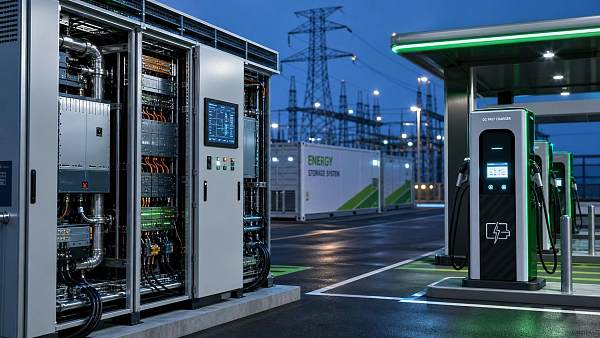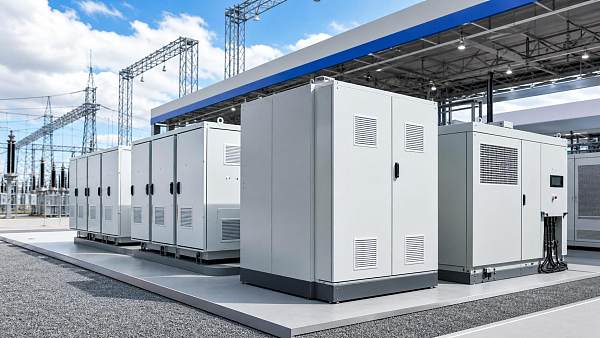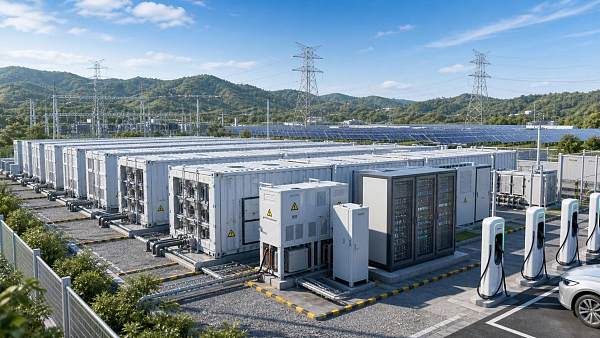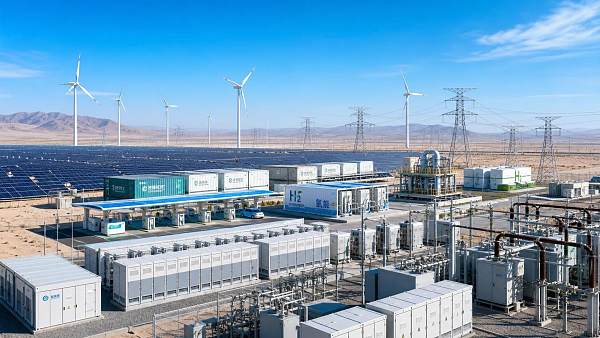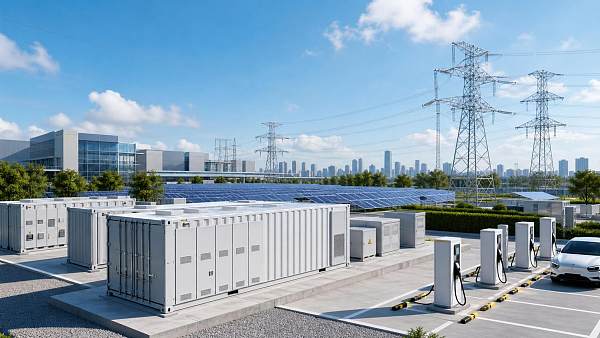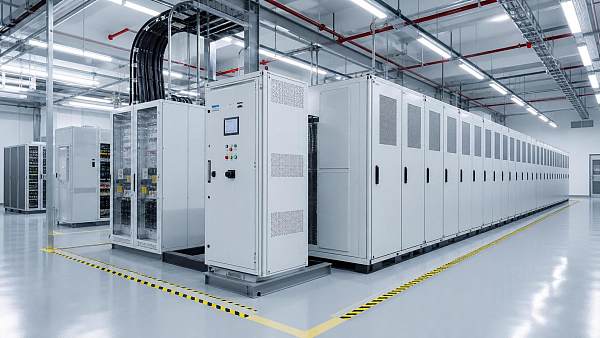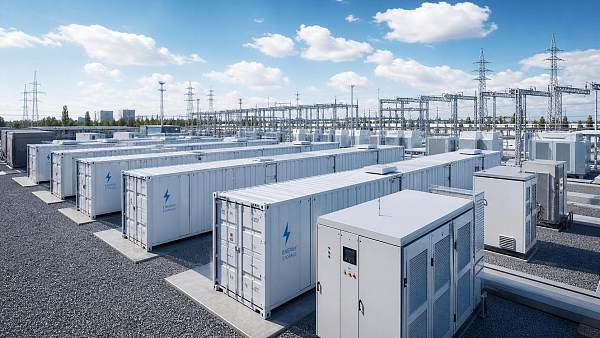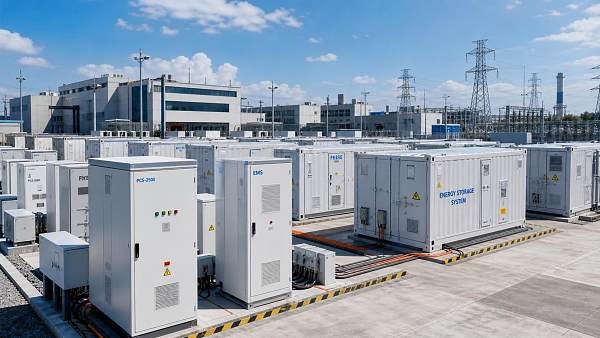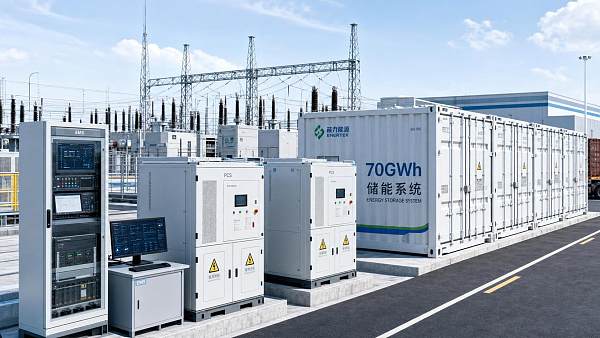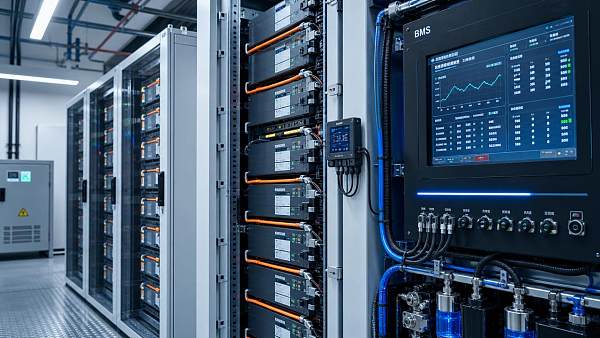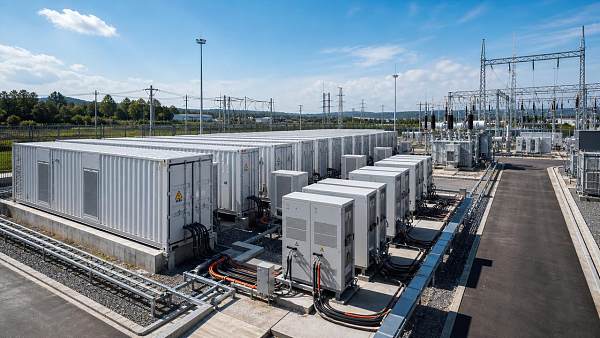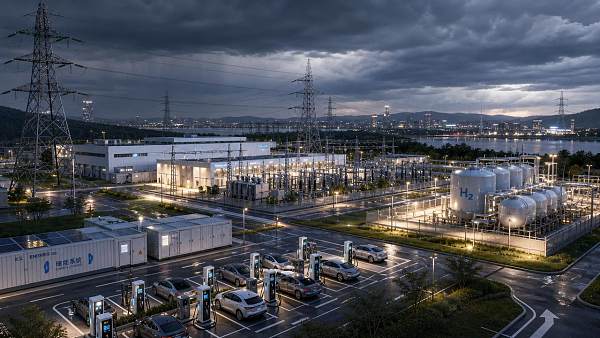
For technical evaluators, power flow control systems are no longer a narrow power-electronics topic. They sit at the center of storage dispatch, grid stability, EV fast charging, and industrial power quality, where milliseconds, thermal limits, and control logic can decide whether an asset performs as expected or becomes a bottleneck.
In ESGS-relevant infrastructure, the stakes are even higher. Grid-scale BESS containers, UHV transmission corridors, hydrogen electrolyzers, and large EV charging or swapping sites all depend on power flow control systems that can move energy precisely, safely, and with enough flexibility to follow changing operating conditions.
Why power flow control systems matter now
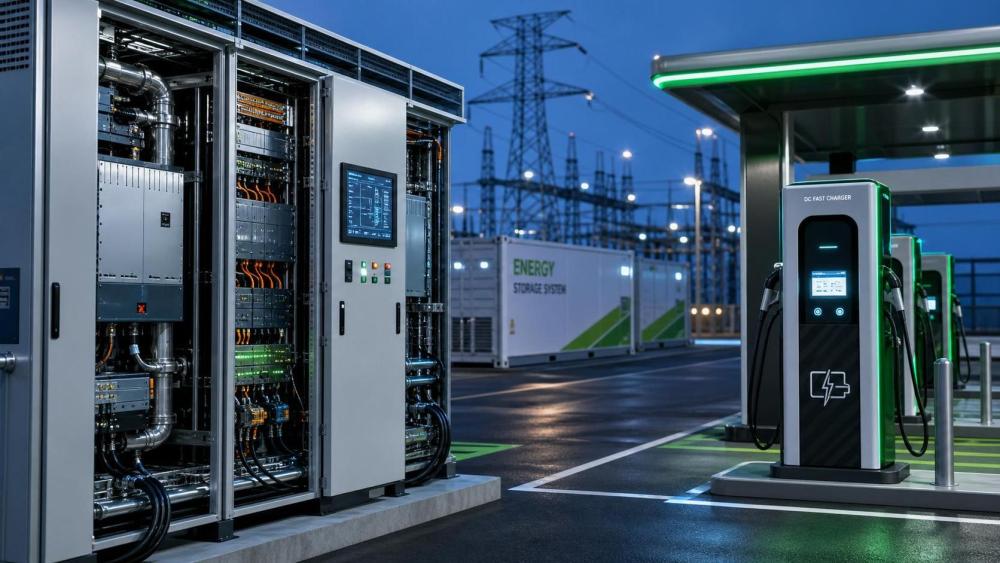
The industry is shifting from static delivery to dynamic coordination. Renewable output rises and falls, loads are more volatile, and distributed assets are increasingly expected to support the grid instead of merely consuming it. That makes power flow control systems a core layer of infrastructure, not just a supporting component.
In BESS applications, they define how smoothly charge and discharge are executed. In EV charging, they shape how fast power can be delivered without stressing upstream equipment. In transmission and conversion nodes, they help keep voltage, frequency, and harmonic behavior within acceptable limits.
This is why selection is no longer based on nameplate ratings alone. The real question is whether power flow control systems can preserve stability under fluctuating demand, harsh thermal conditions, and mixed-grid environments.
What a strong system needs to do
At a practical level, power flow control systems manage the direction, magnitude, and timing of electrical energy transfer. They may sit in PCS architectures, charging cabinets, conversion stations, or grid-interactive substations, but the operating logic is similar: keep power moving in the right way, at the right speed, with the right protection boundaries.
A good system is not only efficient. It is also predictable. Technical teams usually look for three traits: fast response to changing load, accurate regulation across operating ranges, and robust coordination with upstream and downstream equipment.
- Stable operation under repeated start-stop cycles
- Clear protection behavior during faults or overloads
- Compatibility with digital monitoring and dispatch platforms
That mix of control and resilience is what separates a field-ready platform from a lab-only configuration.
Key selection factors that carry the most weight
The first factor is response speed. In grid support and storage dispatch, delay can translate into lost revenue or failed regulation tasks. Power flow control systems should react fast enough to handle frequency swings, charging surges, and inverter-side disturbances without visible overshoot.
The second factor is control accuracy. Fine control matters when multiple cabinets, strings, or chargers must operate as one coordinated asset. If setpoints drift or feedback is noisy, the whole site becomes harder to optimize.
Thermal stability is another deciding point. High-power operation produces heat, and heat affects switching performance, lifetime, and protection margins. For BESS containers and fast-charging stations, thermal design is often as important as electrical architecture.
Grid compatibility also deserves close attention. A system may look strong in isolation but still struggle with harmonic limits, weak-grid conditions, or regional interconnection requirements. For ESGS-linked projects, that compatibility can determine whether the asset is dispatchable in real operating conditions.
How the operating context changes the decision
The right power flow control systems for a BESS site are not always the right ones for a hydrogen electrolyzer or a megawatt charging hub. Different assets stress the control stack in different ways.
BESS projects usually prioritize bidirectional efficiency, dispatch precision, and thermal consistency during repeated cycling. EV charging sites care more about surge handling, parallel coordination, and user-visible uptime. UHV or grid-tied conversion nodes place greater emphasis on protection logic, electromagnetic robustness, and long-distance system coordination.
For hydrogen electrolyzers, the concern shifts again. Load-following behavior and power quality become central because process stability affects conversion efficiency and stack durability. That is why power flow control systems must be assessed against the actual duty cycle, not just the specification sheet.
Lifecycle value is more than efficiency
Lifecycle value often gets narrowed to conversion efficiency, but that is only part of the story. Maintenance access, diagnostic visibility, spare-part strategy, and software update pathways all influence total ownership cost.
In ESGS-style infrastructure, the best systems usually combine operational transparency with serviceable architecture. If alarms are hard to interpret or firmware support is weak, integration teams pay the price later through downtime and slower troubleshooting.
It also helps to examine how the system behaves under partial load, abnormal grid events, and long-duration operation. A platform that performs well only in ideal conditions is rarely a strong candidate for utility-grade or multi-site deployment.
A practical way to evaluate options
A useful evaluation process starts with the application envelope. Define voltage range, power rating, duty cycle, ambient temperature, and network conditions before comparing vendors or architectures.
Then test how the power flow control systems respond to real operating events. Look at step changes, overload recovery, fault response, communication latency, and how gracefully the system returns to nominal mode. This is where engineering claims become visible.
For projects that must connect across storage, charging, and grid coordination layers, digital monitoring matters as much as hardware. Better telemetry, clearer alarms, and stronger control interfaces make it easier to integrate with VPP dispatch, asset management, and digital twin workflows.
What to verify before moving forward
- Control response under fast transients
- Thermal margin at sustained high load
- Compliance with the target grid environment
- Monitoring depth and integration flexibility
- Service support across the expected lifecycle
Closing the gap between specification and deployment
The most reliable power flow control systems are the ones that match engineering intent with field behavior. That means balancing response speed, control precision, thermal design, and grid compatibility against the real business model of the site.
In the wider ESGS landscape, that balance matters because every asset is part of a larger energy flow network. Storage must dispatch cleanly, charging must remain stable, transmission must stay resilient, and conversion assets must avoid unnecessary losses.
A sound next step is to define the operating envelope, compare control behavior under realistic scenarios, and rank options by lifecycle performance rather than headline ratings alone. That approach gives power flow control systems a fairer test and produces decisions that hold up after commissioning.
Related News
 Power Flow Control Systems: Key Selection FactorsGrid Storage ArchitectPower flow control systems are critical for BESS, EV charging, and grid stability. Discover the key selection factors that improve performance, reliability, and lifecycle value.
 Kehua Releases Grid-Forming Storage PaperGrid Storage ArchitectKehua Releases Grid-Forming Storage Paper, outlining grid-forming PCS functions, weak-grid delivery impact, and compliance signals shaping bids, testing, and project acceptance.
 Technical Comparison Resources for PCS and EMS Selection in BESS ProjectsGrid Storage ArchitectTechnical comparison resources for PCS and EMS selection in BESS projects: compare control logic, thermal safety, grid compliance, and lifecycle value to choose smarter, bankable storage solutions.
 Grid Dispatch Intelligence in Renewable Peak-Shaving ApplicationsGrid Storage ArchitectGrid dispatch intelligence drives smarter renewable peak-shaving by coordinating storage, transmission, EV charging, and hydrogen loads to cut curtailment, protect assets, and boost grid value.
 Can Smart Grid Neural Networks Improve EMS Forecast Accuracy?Grid Storage ArchitectSmart grid neural networks can improve EMS forecast accuracy by refining dispatch, storage timing, and grid response. See where real operational gains and ROI appear.
 DOE Safe Harbor Update Triggers PCS and EMS BuyingGrid Storage ArchitectDOE Safe Harbor Update reshapes PCS and EMS buying for 32 federally funded storage projects. See how new certification and VPP interface rules affect supplier access, procurement, and compliance planning.
 DOE Safe Harbor Update Triggers 70GWh PCS and EMS BuyingGrid Storage ArchitectDOE Safe Harbor update triggers 70GWh energy storage buying, putting PCS and EMS suppliers under new UL 1741 SA and FERC 2222 requirements. See who can bid now.
 DOE Safe Harbor Update Drives 70GWh PCS, EMS BuyingGrid Storage ArchitectDOE Safe Harbor update drives 70GWh PCS and EMS buying as projects enter procurement. Learn how UL 1741 SA, IEEE 1547-2024, and FERC 2222 shape vendor readiness.
 DOE Safe Harbor List Update Triggers 70GWh PCS and EMS BuyingGrid Storage ArchitectDOE Safe Harbor List update triggers 70.2GWh PCS and EMS buying in 2026 Q3-Q4. See how certifications, prequalification, and procurement timing can shape supplier access.
 Battery Management Systems: Common Faults and FixesGrid Storage ArchitectBattery management systems common faults and fixes: learn how to diagnose sensor drift, thermal imbalance, and communication loss across BESS, EV charging, and microgrid sites.
 DOE Safe Harbor Update Speeds PCS and EMS BuyingGrid Storage ArchitectDOE Safe Harbor update speeds PCS and EMS buying as 70–75GWh of U.S. storage projects move closer to procurement. See how FCC, IEEE 1547-2024, and VPP requirements reshape bids and delivery.
 Grid Resilience Technologies Compared: Which Options Perform Best in Outages?Grid Storage ArchitectGrid resilience technologies compared: discover how BESS, smart controls, UHV, V2G, and hydrogen perform in outages, and find the best fit for faster recovery and stronger grid reliability.