Micro-grid Integration Costs and Control Risks
Micro-grid integration is becoming a board-level decision as enterprises seek resilient power, lower carbon exposure, and stronger energy cost control.
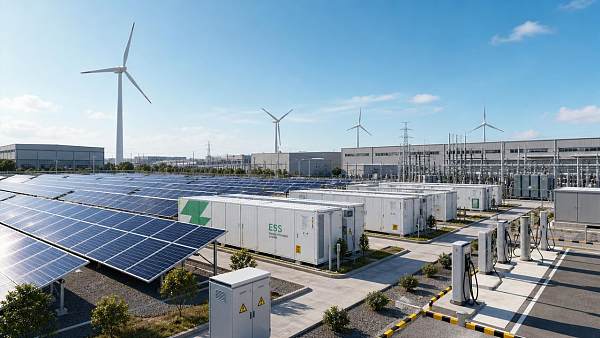
Yet behind localized generation, BESS containers, EV charging hubs, and smart dispatch lies a complex cost-and-risk equation that affects ROI.
Protection coordination, PCS control logic, cybersecurity, compliance, and real-time grid stability can all change project economics after commissioning.
For enterprise decision-makers, understanding integration costs and control risks is essential before committing capital to distributed energy infrastructure.
What Executives Are Really Trying to Decide

The core question is not whether micro-grids are technically possible. The question is whether micro-grid integration creates durable business value.
Executives usually search this topic because they face rising tariffs, weak grid reliability, carbon targets, or new electrified loads.
They need to know the full investment scope, the hidden operational risks, and the conditions under which deployment becomes bankable.
The most useful analysis therefore connects engineering choices with commercial outcomes, rather than describing micro-grid components in isolation.
A good decision framework should compare avoided outage losses, peak-demand reduction, energy arbitrage, resilience value, and compliance exposure.
It should also identify risks that can undermine savings, including unstable dispatch, poor metering, interconnection delays, and cybersecurity weaknesses.
The True Cost Stack Behind Micro-grid Integration
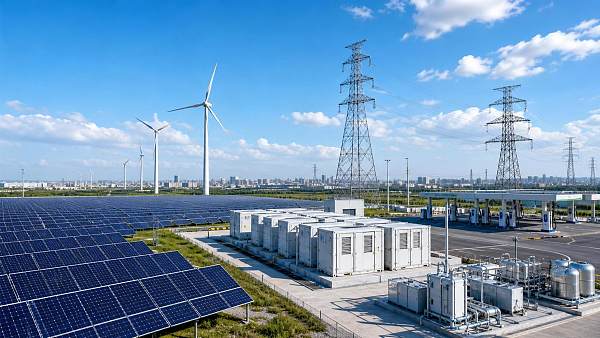
Capital cost is often underestimated because buyers focus on visible assets, such as solar arrays, generators, BESS containers, and switchgear.
The larger budget usually includes engineering studies, civil works, grid interconnection, protection systems, controls, software, commissioning, and certification.
For enterprise sites, the battery energy storage system is frequently the cost anchor, especially when long-duration backup is required.
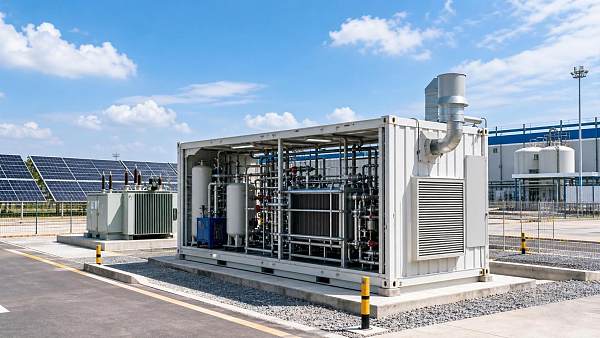
Battery cost includes cells, racks, liquid cooling, PCS, fire suppression, HVAC, enclosure design, monitoring, and safety testing requirements.
Control and automation costs rise when the micro-grid must island, resynchronize, manage EV charging, or support demand response markets.
Interconnection can become a major cost driver because utilities may require relay upgrades, power quality studies, or feeder protection changes.
Soft costs are equally important. Permitting, legal review, insurance assessment, cybersecurity audits, and staff training often appear late in budgeting.
Decision-makers should request a lifecycle cost model, not a procurement quotation, because operating strategy determines the economic result.
Where ROI Comes From and Where It Disappears
Micro-grid integration can create value through peak shaving, tariff optimization, backup power, renewable self-consumption, and participation in grid services.
For industrial and commercial sites, avoided downtime may be more valuable than electricity savings, especially in data, cold chain, or manufacturing.
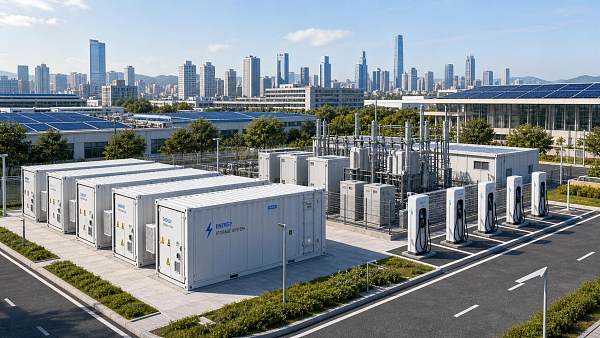
EV charging hubs can benefit when storage reduces demand charges and supports high-power charging without expensive feeder reinforcement.
Sites with solar or wind generation gain additional value when BESS absorbs surplus production and releases power during expensive periods.
However, ROI disappears when the operating profile is unrealistic, local tariffs are misunderstood, or the battery cycles more harshly than planned.
Financial models should include degradation, auxiliary consumption, maintenance contracts, software subscriptions, replacement reserves, and availability guarantees.
Executives should challenge any model that assumes perfect dispatch, no downtime, stable market rules, or unchanged utility tariff structures.
The strongest projects usually combine several value streams, rather than depending on a single arbitrage spread or one subsidy program.
Control Risks That Can Turn a Good Asset Into a Liability
Control risk is the most underestimated part of micro-grid integration because failures often happen across component boundaries.
A battery may be safe, a generator may be reliable, and a charger may be certified, yet the combined system may behave poorly.
The micro-grid controller must coordinate frequency, voltage, load priority, state of charge, generation forecasting, and grid connection status.
If PCS response settings are wrong, the system may oscillate, trip during transients, or fail to support critical loads during islanding.
Protection coordination is another critical risk. Relays must detect faults correctly in both grid-connected and islanded operating modes.
Weak coordination can cause nuisance trips, equipment damage, unsafe fault clearing, or an inability to reconnect with the utility grid.
Control risks also include communication latency, SCADA failure, poor sensor calibration, firmware mismatch, and unclear command hierarchy between platforms.
Before investment approval, executives should require a control philosophy document, failure-mode analysis, and a clear responsibility matrix.
Cybersecurity and Compliance Are Now Investment Issues
Modern micro-grids are software-defined infrastructure. They depend on remote monitoring, cloud analytics, smart meters, chargers, gateways, and dispatch algorithms.
This connectivity improves performance, but it also expands the attack surface for ransomware, unauthorized switching, data theft, and operational disruption.
Enterprise leaders should treat cybersecurity as a cost of resilience, not as an optional IT add-on after commissioning.
Important controls include network segmentation, role-based access, encrypted communication, patch management, incident response, and secure remote maintenance procedures.
Compliance risk also varies by market. Fire codes, utility interconnection rules, battery standards, and environmental permits can affect schedules.
For BESS containers, safety documentation should address thermal runaway propagation, emergency response planning, ventilation, spacing, and fire suppression strategy.
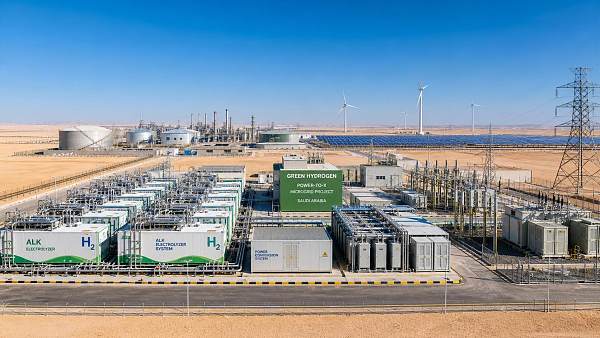
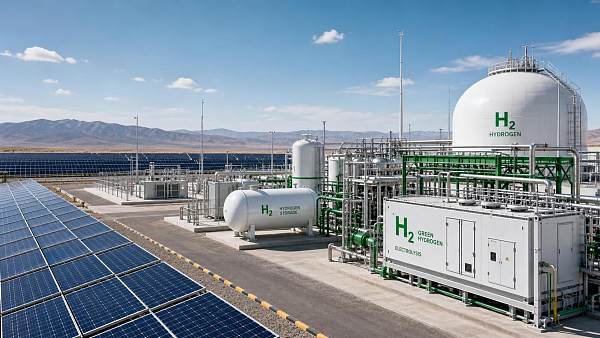
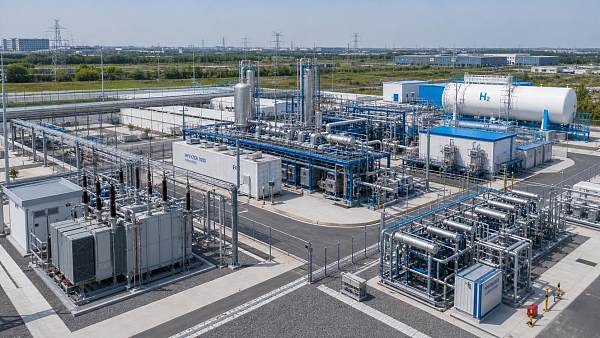
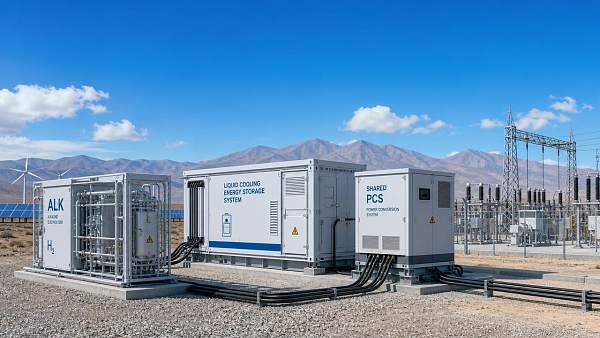
Projects involving hydrogen electrolyzers or high-power EV charging require additional attention to gas safety, electrical protection, and public-site liability.
When compliance is handled early, it protects project finance, insurance acceptance, community trust, and long-term asset availability.
How to Evaluate Vendors and Integration Partners
Micro-grid integration is not a simple equipment purchase. It is a systems engineering project with long-term operational consequences.
The right partner should understand batteries, power electronics, switchgear, protection, communications, utility rules, and enterprise operational constraints.
Executives should ask whether the vendor has commissioned similar sites with comparable loads, tariffs, climate conditions, and interconnection requirements.
References matter, but performance data matters more. Request availability records, response times, degradation trends, and examples of fault recovery.
A strong proposal should define system boundaries, guaranteed performance, cybersecurity responsibilities, maintenance response, spare parts, and software update policies.
It should also explain how dispatch logic changes when tariffs, load patterns, weather forecasts, or grid service opportunities evolve.
Avoid vendors that only optimize upfront cost. Low integration cost can create expensive instability, downtime, and future retrofit requirements.
The best integrators make risks visible early, price them transparently, and design controls that operators can actually understand.
A Practical Decision Framework for Enterprise Boards
Before approving capital, leadership should define the primary business objective. Resilience, cost reduction, decarbonization, and growth enablement require different designs.
A resilience-led micro-grid may prioritize islanding capability, black-start support, redundant controls, and longer battery autonomy.
A cost-led project may prioritize peak shaving, demand response, tariff arbitrage, and tight integration with building management systems.
A decarbonization-led project may focus on renewable self-consumption, emissions accounting, electric fleet charging, and future hydrogen readiness.
The board should then review a base case, downside case, and stress case, including delays, degradation, tariff changes, and control failures.
Technical approval should be linked to commercial gates. No project should proceed without validated load data and confirmed interconnection requirements.
Executives should also require commissioning tests that prove islanding, resynchronization, emergency shutdown, cybersecurity controls, and dispatch performance under real conditions.
This approach prevents micro-grid integration from becoming a technology experiment instead of a disciplined infrastructure investment.
When Micro-grid Integration Makes the Most Sense
Micro-grids are most compelling where grid interruptions are costly, tariffs are volatile, or site expansion is constrained by utility capacity.
They are also attractive for logistics parks, industrial campuses, hospitals, data centers, ports, mines, and EV charging corridors.
Sites with flexible loads benefit more because control systems can shift consumption without harming core operations.
Facilities with solar rooftops, nearby wind resources, or waste-to-energy options can improve economics through higher local utilization.
Micro-grid integration is less attractive when power is already cheap, reliability is high, and critical loads are limited.
It may also be premature if the enterprise lacks reliable load data, internal ownership, or a clear operating model.
The right question is not whether every site needs a micro-grid. It is which sites have the strongest risk-adjusted case.
A phased rollout often works best, beginning with a pilot site that can validate dispatch logic and financial assumptions.
Conclusion: Control the Integration, Not Just the Equipment
Micro-grid integration can strengthen resilience, reduce energy exposure, and support enterprise decarbonization when the project is designed around business value.
The main risks are not limited to hardware price. They sit in controls, protection, compliance, cybersecurity, commissioning, and operating discipline.
For decision-makers, the best path is a lifecycle view that connects capital cost, system behavior, and measurable operational outcomes.
A successful project should deliver stable power flows, transparent economics, safe battery operation, and flexible dispatch as business needs change.
Enterprises that treat integration as strategic infrastructure will make better investments than those buying disconnected energy assets.