Renewable integration in microgrids is no longer just a technical upgrade—it is a project-critical challenge involving storage sizing, power flow control, protection coordination, and long-term asset returns.
For engineering decisions, the real difficulty is balancing intermittent solar and wind with stable supply, safety compliance, budget discipline, and future scalability.
This article examines renewable integration challenges in microgrids and highlights practical considerations for resilient, flexible, and investment-ready clean energy systems.
Renewable Integration in Microgrids: Basic Scope
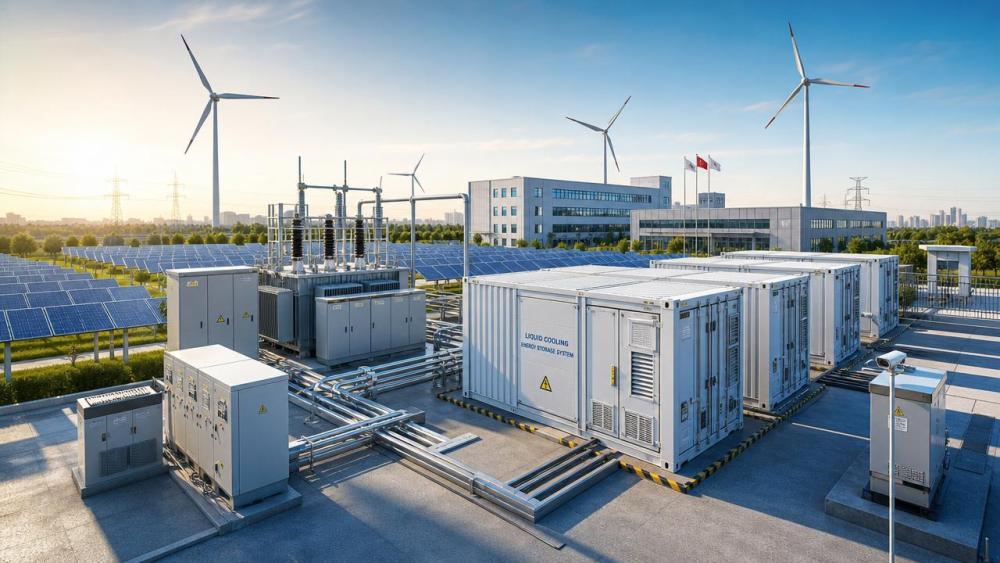
A microgrid is a localized energy system that can operate connected to the main grid or independently in islanded mode.
Renewable integration means connecting variable resources, such as photovoltaic arrays and wind turbines, into this controlled electrical environment.
Unlike conventional generation, solar and wind output changes with weather, season, temperature, and site conditions.
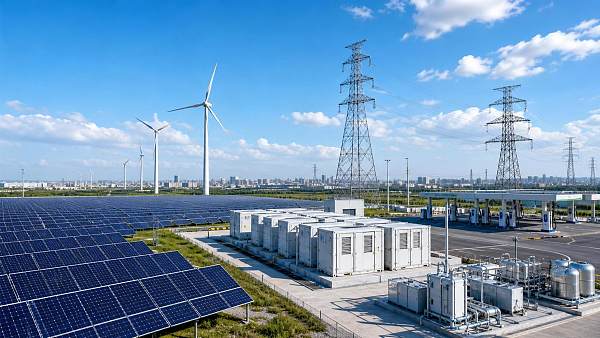
Therefore, renewable integration requires storage, inverters, protection devices, forecasting tools, and dispatch logic working as one coordinated system.
The objective is not only adding clean generation. It is maintaining voltage, frequency, reliability, and asset value under variable operating conditions.
In industrial parks, campuses, ports, mines, and remote communities, renewable integration often determines whether the microgrid remains practical or fragile.
Industry Background and Current Attention Points
Microgrids are gaining relevance as electricity demand becomes more distributed, electrified, and sensitive to outage costs.
At the same time, decarbonization policies are increasing the share of renewable generation in local power systems.
This creates new pressure on planning methods that were originally designed around predictable centralized power plants.
Renewable integration is now evaluated through technical, financial, operational, and regulatory lenses.
The most successful projects treat renewable integration as a system architecture issue, not a component procurement task.
This perspective aligns with grid-scale intelligence, where storage, transformers, switchgear, chargers, and dispatch software must share operating logic.
Core Technical Challenges in Renewable Integration
Variability and Forecast Uncertainty
Solar ramps may occur within minutes when cloud cover changes across a photovoltaic field.
Wind generation can also fluctuate sharply, especially in coastal, mountain, or desert environments.
Without accurate forecasting, renewable integration can lead to excessive battery cycling or unnecessary backup generator starts.
Advanced microgrids use weather data, load history, and real-time measurements to improve dispatch accuracy.
Storage Sizing and Thermal Management
Battery energy storage is the operational buffer behind most high-renewable microgrids.
However, oversized storage increases capital cost, while undersized storage weakens renewable integration performance.
Sizing should consider peak load, solar profile, wind profile, outage duration, reserve margin, and degradation strategy.
Thermal management is equally important because cell temperature differences affect safety, lifetime, and available capacity.
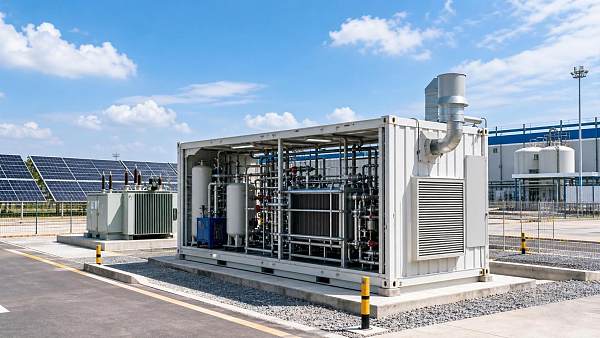
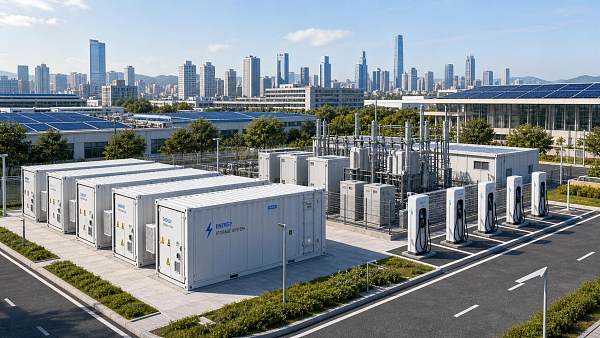
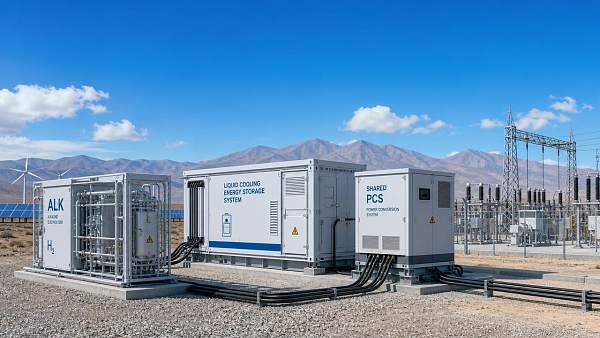
Liquid-cooled BESS containers can reduce thermal stress and support more predictable renewable integration under heavy cycling.
Voltage, Frequency, and Low Inertia
Traditional grids rely on rotating machines that naturally provide inertia during disturbances.
Microgrids with high inverter-based renewable generation may have limited physical inertia.
This makes frequency more sensitive to sudden load steps, renewable output drops, or equipment trips.
Grid-forming inverters, fast PCS response, and coordinated controls are essential for stable renewable integration.
Protection and Fault Coordination
Renewable integration changes current direction, fault magnitude, and relay behavior within the distribution network.
A fault that was simple in a radial feeder may become complex with multiple inverter and storage sources.
Adaptive protection, GIS switchgear, reclosers, and digital relays must be configured for grid-connected and islanded modes.
Testing should include black start, unintentional islanding, short-circuit response, and restoration sequencing.
Business Value of Effective Renewable Integration
Strong renewable integration improves more than carbon performance. It can reshape operating economics and asset resilience.
In high-tariff regions, microgrids can reduce grid purchases during peak pricing periods.
Where outages are costly, storage-backed renewable integration can protect production lines, data rooms, refrigerated logistics, and critical services.
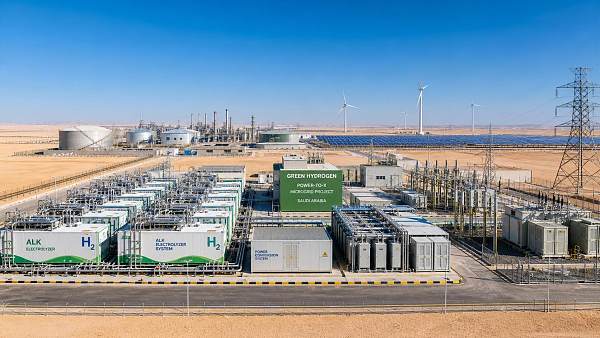
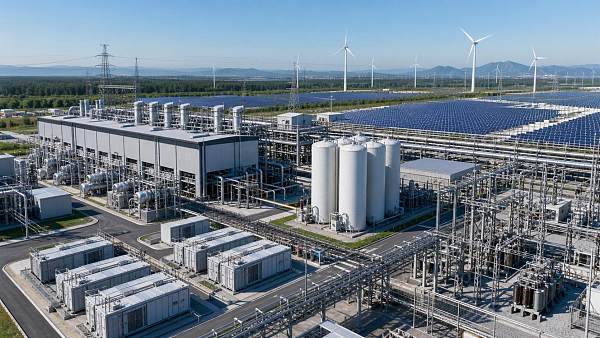
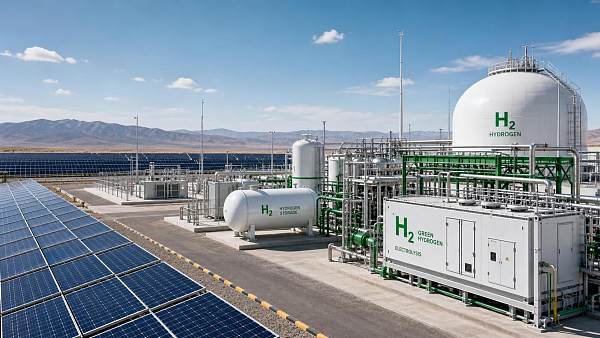
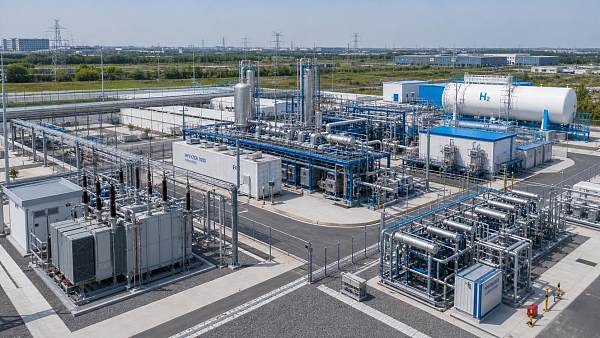
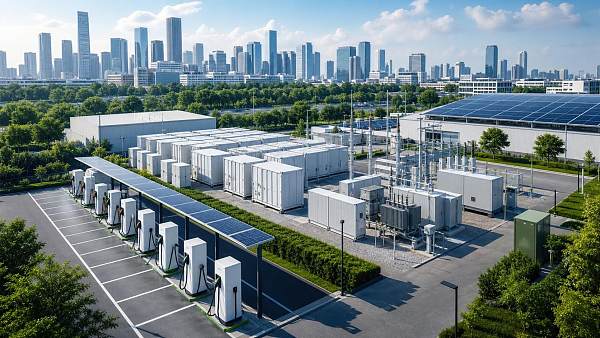
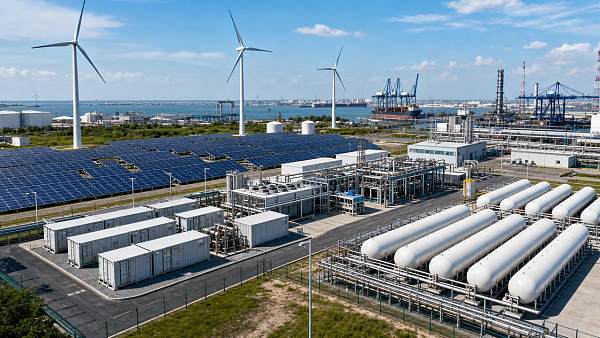
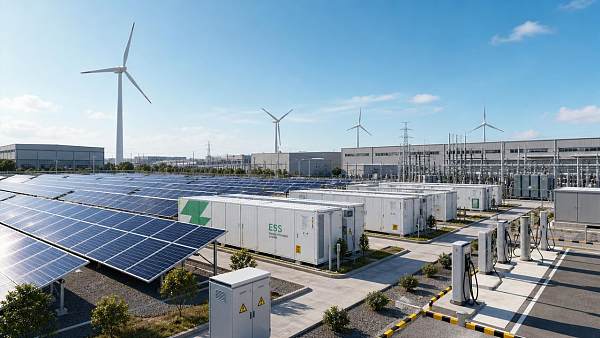
For multi-asset energy sites, coordinated dispatch can combine solar, BESS, EV charging, and hydrogen electrolyzers.
- Lower energy cost through peak shaving and self-consumption optimization.
- Higher reliability through islanding capability and backup reserve.
- Better utilization of curtailed solar and wind energy.
- Improved compliance with decarbonization and resilience targets.
- Additional value from demand response, capacity services, or ancillary markets.
The investment case depends on how renewable integration converts technical flexibility into measurable cash flows.
Metrics such as LCOS, avoided outage losses, battery degradation cost, and capacity revenue should be reviewed together.
Typical Microgrid Scenarios and Integration Priorities
Different sites require different renewable integration designs. A remote mine does not share the same priorities as an urban charging hub.
The following classification supports early-stage planning and technology selection.
In each case, renewable integration should begin with load behavior and operational risk, not only installed renewable capacity.
A balanced design links generation profiles, controllable loads, storage duration, and protection philosophy.
Practical Considerations for Reliable Deployment
Build a Data-Driven Energy Model
Reliable renewable integration starts with credible data. Hourly averages are rarely enough for high-performance microgrids.
Use sub-hourly load data, irradiance records, wind measurements, outage history, and equipment operating limits.
Scenario modeling should include seasonal peaks, abnormal weather, equipment failure, and islanded operation.
Coordinate Controls Before Construction
Microgrid controllers, PCS units, protection relays, chargers, and building management systems must share a clear hierarchy.
Poor control coordination can turn renewable integration into a source of oscillation, curtailment, or nuisance trips.
Functional tests should verify dispatch priorities, fail-safe states, communication loss behavior, and manual override procedures.
Protect Battery Safety and Asset Life
High-cycling renewable integration places heavy stress on batteries, cooling systems, and fire safety design.
Projects should review cell chemistry, enclosure layout, ventilation, thermal propagation tests, and emergency response access.
UL 9540A, local fire codes, and utility interconnection rules may influence container spacing and commissioning schedules.
Plan for Expansion and Grid Services
The first renewable integration design should not block future loads, extra PV fields, or additional BESS containers.
Reserve space for transformers, switchgear, communication cabinets, cooling equipment, and safe maintenance corridors.
Where regulations allow, design for demand response, VPP participation, and frequency support from the beginning.
Implementation Checklist for Project Readiness
A practical renewable integration roadmap should connect feasibility, engineering, procurement, commissioning, and operations.
- Define reliability targets, including islanding duration and acceptable load shedding.
- Collect high-resolution load and renewable resource data.
- Model storage power, storage energy, degradation, and reserve requirements.
- Validate voltage, frequency, harmonics, and short-circuit behavior.
- Confirm protection settings for grid-connected and islanded modes.
- Review BESS thermal management, fire safety, and compliance documentation.
- Test controller logic using realistic operating scenarios.
- Establish performance monitoring, maintenance routines, and lifecycle KPIs.
This checklist reduces integration risk and supports clearer conversations between engineering, finance, operations, and regulatory stakeholders.
It also helps convert renewable integration from a design assumption into a measurable operating capability.
Strategic Next Steps for Resilient Microgrids
Renewable integration succeeds when generation, storage, protection, controls, and financial modeling are developed together.
A microgrid should be treated as a living energy platform, not a one-time electrical installation.
As EV charging, green hydrogen, and flexible industrial loads expand, renewable integration will become more valuable and more demanding.
The next step is to audit site data, identify critical loads, and map where storage and controls create the strongest impact.
With disciplined planning, renewable integration can strengthen grid stability, improve asset returns, and support the transition toward zero-carbon power systems.
Related News
 ACWA Power Opens 500MW NEOM Power-to-X TenderHydrogen Tech ScientistACWA Power opens a 500MW NEOM Power-to-X tender, spotlighting green hydrogen microgrid integration, ALK electrolyzers, UHV grid connection, and PCS-EMS control. Explore what bidders must prepare.
 Zero Carbon Grids for Critical Infrastructure: Main Risks to Plan ForHydrogen Tech ScientistZero carbon grids for critical infrastructure demand more than clean power. Explore the main risks, site-specific planning priorities, and resilient strategies before investing.
 Power-to-X Systems Price Trend in 2026: What Is Driving Cost Changes?Hydrogen Tech ScientistPower to x systems price trend in 2026 shows why cheaper electrolyzers do not always mean lower project costs. Explore grid access, power prices, supply chains, and financing drivers.
 Skid Mounted Hydrogen Production Systems: Site Limits to Check FirstHydrogen Tech ScientistHydrogen production system skid mounted projects succeed when site limits are checked first. Learn key risks in access, utilities, zoning, and permitting before delays grow.
 Green Hydrogen System for Solar Power Sizing GuideHydrogen Tech ScientistGreen hydrogen system for solar power sizing guide covering PV-electrolyzer ratios, storage, grid integration, and utility loads to reduce risk, improve economics, and build bankable projects.
 Hydrogen Energy Infrastructure: Common Cost Gaps in Early Project PlanningHydrogen Tech ScientistHydrogen energy infrastructure often looks affordable early on, but hidden costs in grid access, water, compression, storage, and safety can reshape budgets. Learn what to check first.
 Energy Transition Infrastructure Trends Reshaping Power ProjectsHydrogen Tech ScientistEnergy transition infrastructure is redefining power projects—discover how storage, grid, EV charging, and hydrogen trends are shaping safer, smarter, and more bankable energy assets.
 Energy Hubs for Smart Cities: Best Use Cases and ROI SignalsHydrogen Tech ScientistEnergy hubs for smart cities: explore the best use cases, ROI signals, and design priorities for EV charging, resilience, tariff savings, and scalable urban energy growth.
 Energy Hubs for Smart Cities: Key Design Choices and PitfallsHydrogen Tech ScientistEnergy hubs for smart cities require smarter design than ever. Explore key architecture choices, common pitfalls, and how to improve resilience, efficiency, and ROI.
 Power-to-X Technology in Microgrids: Best Use CasesHydrogen Tech ScientistPower-to-X technology in microgrids: explore the best use cases for remote sites, ports, and export-limited campuses to turn surplus renewable energy into flexible, high-value returns.
 Chile Sets Grid Rule for Hydrogen-BESS PCS DesignHydrogen Tech ScientistChile Sets Grid Rule for Hydrogen-BESS PCS Design: learn how Chile’s new shared-PCS mandate reshapes hydrogen microgrid compliance, sourcing, and project delivery after July 2026.
 How Renewable Energy Hubs Reduce Curtailment in MicrogridsHydrogen Tech ScientistRenewable energy hubs cut microgrid curtailment by coordinating storage, flexible loads, and smart controls. Discover how they boost resilience, efficiency, and ROI.