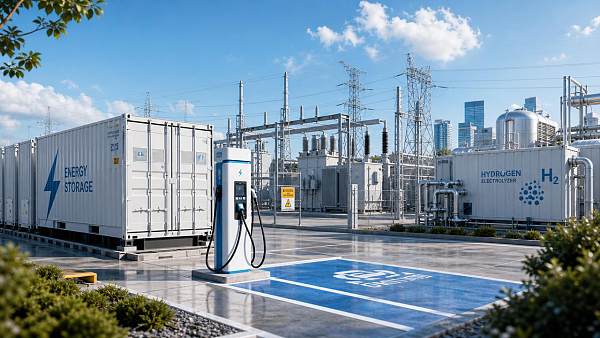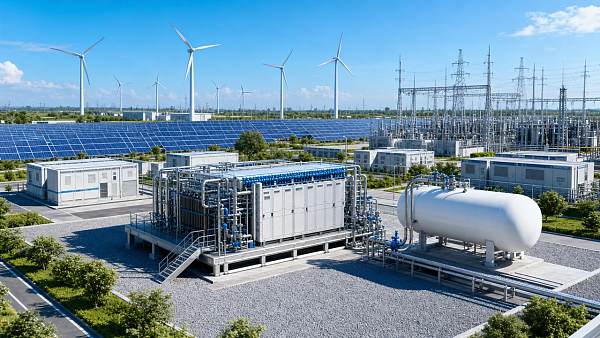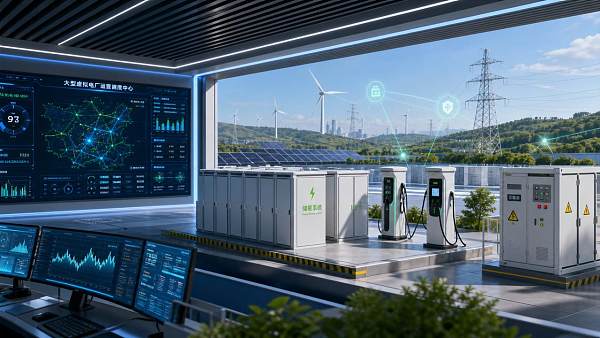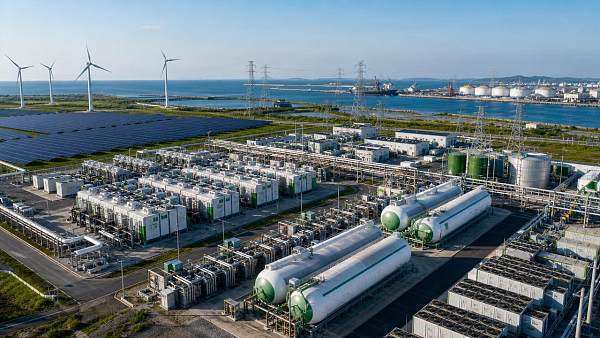
A green hydrogen system is moving from pilot topic to board-level infrastructure question. For companies balancing decarbonization, energy security, and future fuel flexibility, it is no longer enough to know that hydrogen is clean at the point of use. The real issue is whether a project can convert renewable electricity into dependable value without creating hidden cost, safety, or execution problems.
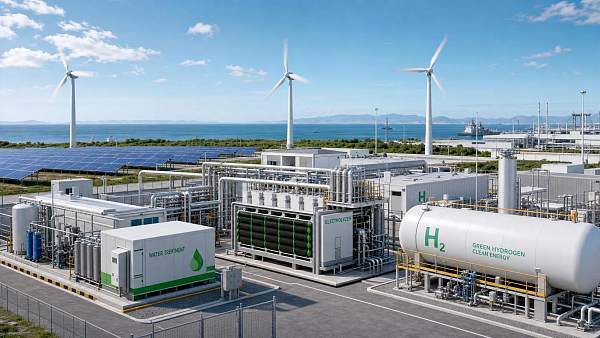
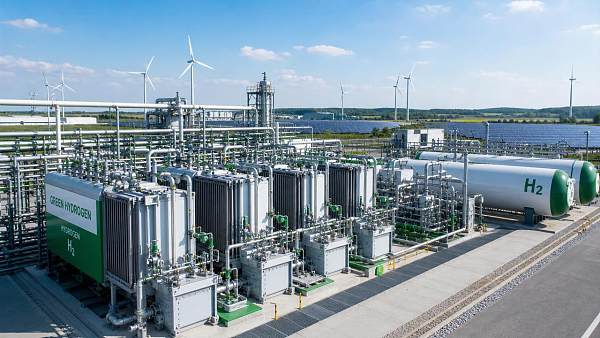
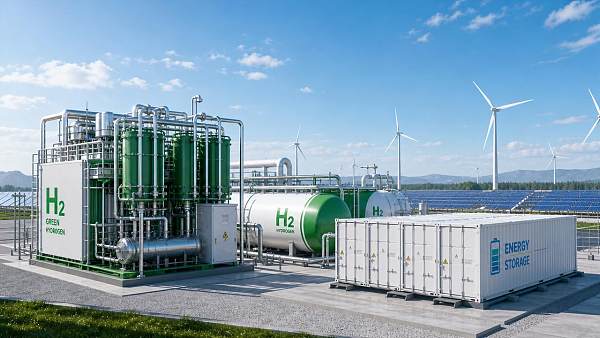
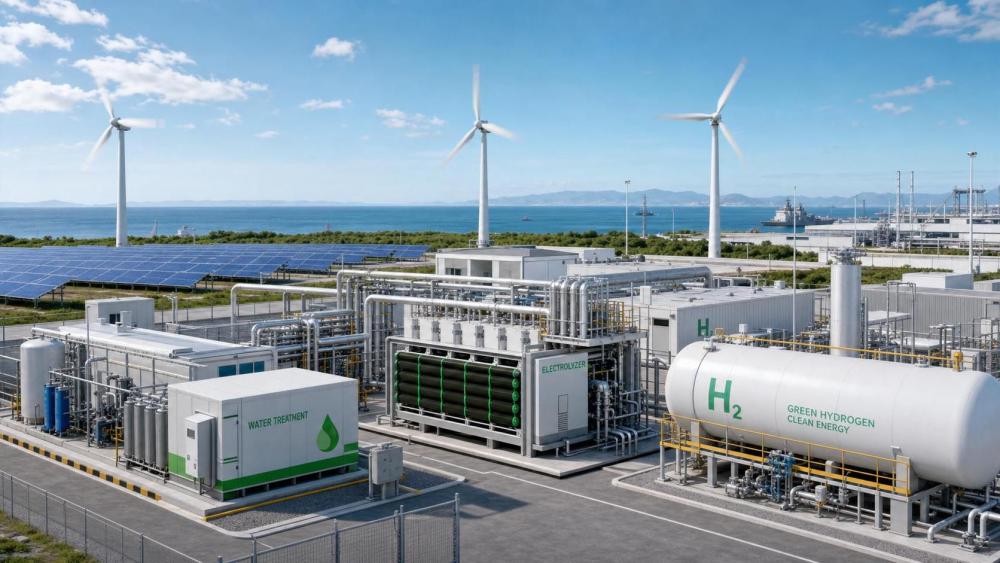
That is why the basics matter. A green hydrogen system is not just an electrolyzer package. It is a connected chain of power supply, water treatment, electrolysis, gas conditioning, storage, control, and delivery. Each link affects efficiency, uptime, compliance, and project economics.
Why green hydrogen is drawing serious attention
Interest is rising because some sectors cannot rely on direct electrification alone. Heavy transport, ammonia, methanol, refining, steel, backup power, and long-duration energy storage all need another pathway.
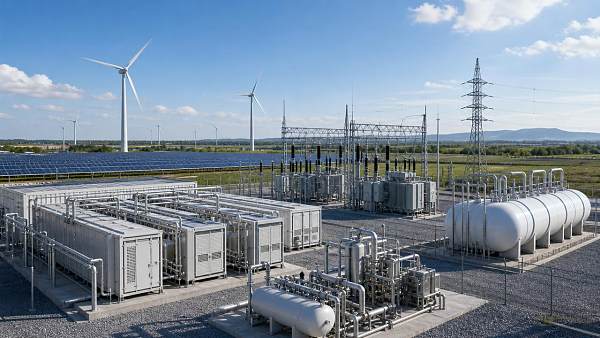
In that context, a green hydrogen system acts as a bridge between variable renewables and hard-to-abate demand. It turns surplus wind and solar generation into a transportable energy carrier with industrial use cases.
This matters especially in energy systems already shaped by BESS, smart grid equipment, UHV transmission, and electrified mobility. ESGS tracks these linked assets closely because hydrogen economics improve when power flow, storage timing, and infrastructure coordination are managed as one system.
What a green hydrogen system actually includes
At a practical level, the system starts with electricity. If that power comes from dedicated solar, wind, hydro, or certified low-carbon grid supply, the hydrogen can qualify as green under many policy frameworks.
Then comes water treatment. Electrolyzers need purified water, not raw industrial feedwater. Poor water quality can damage stacks, reduce output, and shorten asset life.
The core conversion step is electrolysis. An electrolyzer splits water into hydrogen and oxygen. The main technologies now discussed in most projects are ALK and PEM, with SOEC receiving attention for selected high-temperature integrations.
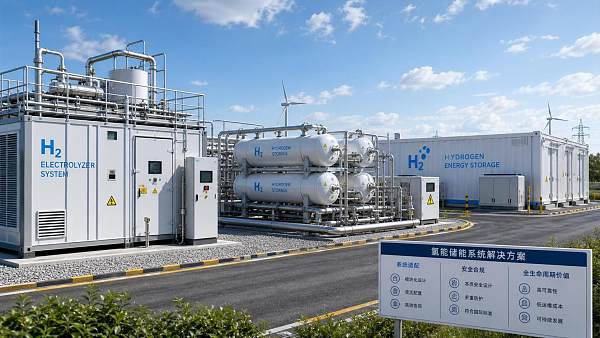
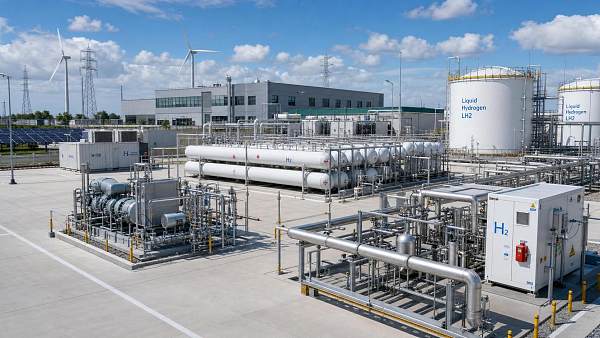
Hydrogen leaving the stack is usually not ready for final use. It often needs drying, purification, compression, buffering, storage, and measurement before it can enter transport, industrial processing, or fueling applications.
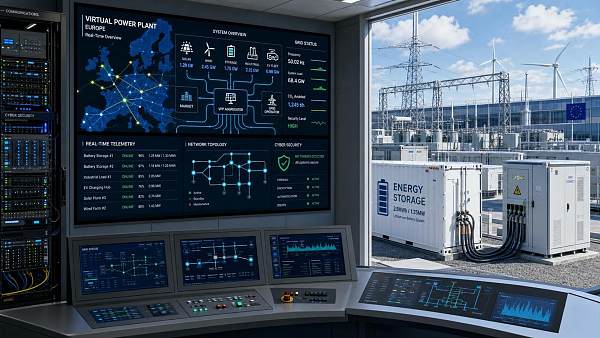
Controls are equally important. A green hydrogen system must respond to fluctuating renewable generation, grid constraints, and downstream demand. Without strong energy management logic, the project may consume expensive power at the wrong time or cycle equipment too aggressively.
Core components at a glance
Where business value really comes from
A green hydrogen system creates value in more than one way. Fuel substitution is the obvious route, but not always the strongest one at first.
In some markets, the first advantage is power optimization. When renewable generation is constrained by grid bottlenecks, hydrogen production can capture otherwise curtailed electricity. That makes the project part of a broader energy balancing strategy.
In other cases, the value lies in emissions compliance. Hydrogen can reduce exposure to carbon pricing, fuel standards, or customer procurement rules that favor low-carbon supply chains.
There is also a resilience argument. Facilities with high energy intensity may use hydrogen as part of a diversified energy portfolio, alongside batteries, grid imports, backup generation, and flexible demand management.
This is where cross-infrastructure thinking matters. A hydrogen project connected to BESS, advanced switchgear, and smart dispatch software is usually better positioned than a standalone plant exposed to power volatility.
Common deployment scenarios
Not every green hydrogen system is built for the same purpose. The intended use case changes the design logic from the beginning.
- Industrial feedstock replacement, such as refining, ammonia, or methanol production.
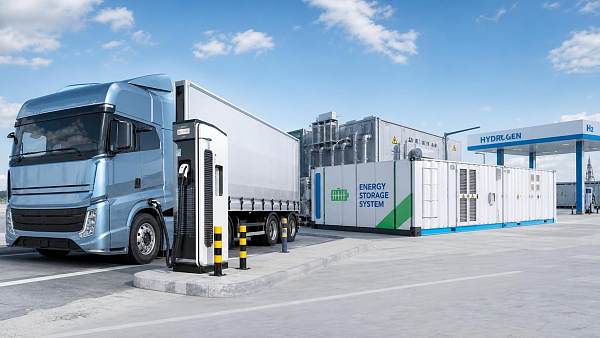
- Mobility fueling for fleets needing fast turnaround and long range.
- Grid-linked renewable absorption in areas with recurring curtailment.
- Microgrid or remote energy supply where fuel logistics are difficult.
- Strategic energy storage paired with large renewable portfolios.
These scenarios look similar on slides, but their priorities differ. A mobility project may focus on compression, dispensing, and utilization rates. An industrial project may care more about purity, continuity, and integration with process heat or existing gas systems.
The risks that change project outcomes
The largest project risks usually do not come from one dramatic failure. They come from early assumptions that are too simple for real operating conditions.
Power and utilization risk
Electrolyzers look attractive on nameplate capacity, but returns depend on operating hours and electricity cost. If low-cost renewable power is available only in narrow windows, utilization may disappoint.
That risk grows when grid fees, balancing charges, or renewable certification rules are underestimated. A green hydrogen system should be modeled against real hourly power profiles, not annual averages.
Technology and degradation risk
Different electrolyzer types behave differently under dynamic loading. Rapid ramping may support variable renewables, but it can also affect stack life, maintenance intervals, and replacement planning.
The decision is rarely about choosing the most advanced label. It is about matching technology behavior to the site’s expected dispatch pattern.
Water, land, and permitting risk
Water access is often treated as secondary, yet it can delay or derail a project. Local supply constraints, treatment complexity, discharge management, and community scrutiny must all be reviewed early.
Permitting can be equally decisive. Hydrogen handling, electrical interconnection, hazardous area classification, and storage setbacks create longer approval paths than many early-stage budgets assume.
Safety and integration risk
Hydrogen projects sit inside a wider electrical and industrial environment. Compression systems, gas detection, ventilation, fire protection, and shutdown logic have to work with power conversion and site control systems.
This is one reason ESGS emphasizes integrated infrastructure intelligence. Lessons from grid-scale BESS safety, thermal management discipline, and millisecond-level power control are highly relevant when hydrogen assets interact with larger energy platforms.
What to check before moving forward
A strong business case for a green hydrogen system usually rests on a short list of verifiable inputs, not broad ambition alone.
- Map hourly power availability and delivered electricity cost.
- Confirm hydrogen offtake, purity needs, and seasonal demand variation.
- Compare ALK and PEM against actual operating profile, not brochure efficiency.
- Validate water source, treatment design, and discharge obligations.
- Review storage pressure, transport mode, and site safety envelope.
- Test project economics under lower utilization and higher stack replacement assumptions.
- Plan digital monitoring from day one for power, process, and compliance visibility.
Projects that pass these checks tend to be more bankable and easier to scale. Projects that skip them often discover their weakness only after procurement or permitting has already advanced.
A more useful way to frame the next decision
The next step is not simply deciding whether hydrogen matters. It is deciding what role a green hydrogen system should play inside a wider energy architecture.
For some operations, it will be a fuel strategy. For others, it will be a renewable balancing tool, a compliance asset, or a platform for future industrial flexibility.
A disciplined review should connect hydrogen to grid conditions, storage options, interconnection limits, and downstream demand certainty. That wider view usually reveals whether the project is early, timely, or ready for serious execution.
When those fundamentals are clear, a green hydrogen system becomes easier to judge on real terms: technical fit, controllable risk, and durable economic logic.
Related News
 Green Hydrogen System Basics: Key Components and Project RisksProf. Kaelen VossGreen hydrogen system basics explained: explore core components, business value, and key project risks to assess cost, safety, and performance before you invest.
 How to Evaluate a Hydrogen Energy Storage Supplier in 2026Prof. Kaelen VossHydrogen energy storage supplier selection in 2026 starts with system fit, safety, compliance, and lifecycle cost. Learn the key criteria to compare vendors and choose with confidence.
 Hydrogen Energy Infrastructure Storage Systems: Key Design Risks and Trade-OffsProf. Kaelen VossHydrogen energy infrastructure storage systems face critical trade-offs in safety, efficiency, cost, and compliance. Explore key design risks and smarter evaluation strategies.
 EU Issues EN 50641-3 for VPP Grid AccessProf. Kaelen VossEN 50641-3 reshapes EU VPP grid access with new rules on telemetry, cybersecurity, and interoperability. See what VPP operators, EMS vendors, and storage integrators must prepare now.
 Carbon-Neutral Transport: What Is Changing in Fleet Planning in 2026Prof. Kaelen VossCarbon-neutral transport in 2026 is reshaping fleet planning around grid capacity, charging, storage, and risk. Discover the key shifts driving smarter, scalable fleet decisions.
 Hydrogen Energy Infrastructure Risks in Early-Stage ProjectsProf. Kaelen VossHydrogen energy infrastructure risks can derail early-stage projects fast. Learn how grid, electrolyzer, safety, storage, and transport factors shape bankability, compliance, and returns.
 Hydrogen Fuel Production Cost Breakdown for 2026 PlanningProf. Kaelen VossHydrogen fuel production cost breakdown for 2026 planning: compare electricity, electrolyzer CAPEX, storage, transport, and financing to make smarter, bankable project decisions.
 Power-to-X Hydrogen Production: When Does the Business Case Work?Prof. Kaelen VossPower-to-X hydrogen production works when cheap clean power, high electrolyzer utilization, reliable offtake, and smart logistics align. Explore what makes projects bankable.
 VPP Technology Trends Reshaping Distributed Energy in 2026Prof. Kaelen VossVPP technology is reshaping distributed energy in 2026, linking BESS, EV charging, grids, and hydrogen loads to unlock flexible, bankable revenue and smarter power control.
 Hydrogen Electrolyzers in VPPs: Flexibility Value and LimitsProf. Kaelen VossHydrogen electrolyzers in VPPs can unlock renewable flexibility, grid balancing, and Power-to-X revenue—if dispatch limits, storage, pricing, and offtake risks are managed.
 VPP Technology Risks: What to Check Before Scaling AggregationProf. Kaelen VossVPP technology risks can derail aggregation at scale. Learn what to check on interoperability, dispatch accuracy, cybersecurity, and asset health before expanding.
 Green Hydrogen Production Costs in 2026: What Changes Most?Prof. Kaelen VossGreen hydrogen production costs in 2026 will shift most through power profiles, utilization, and financing. Explore the four scenarios changing project economics fastest.