Clean energy intermittency is no longer just an engineering challenge. It is a revenue-risk issue affecting bankability, cash-flow predictability, and investment approval.
As solar and wind penetration rises, price cannibalization, curtailment, and imbalance penalties can erode returns faster than many models assume.
Grid-scale storage changes that equation by shifting energy, supporting ancillary services, and improving contracted reliability across increasingly volatile power markets.
Clean Energy Intermittency Turns Asset Value Into a Scenario Question
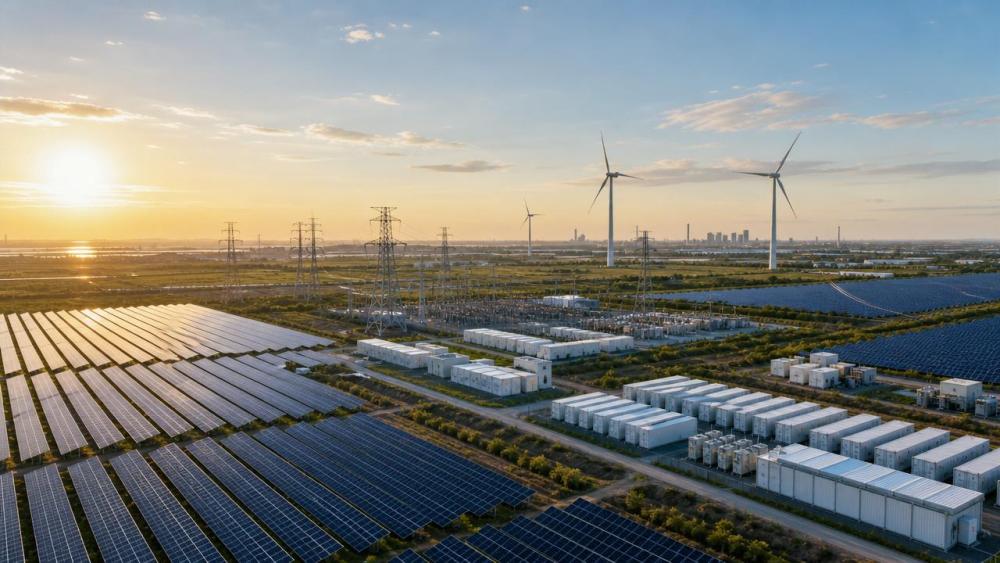
The financial impact of clean energy intermittency depends on location, contract structure, grid congestion, and the maturity of balancing markets.
A solar farm in a saturated noon market faces different risks from an offshore wind project exposed to nighttime transmission constraints.
Storage is therefore not a generic add-on. It is a scenario-specific revenue stabilizer, risk hedge, and grid flexibility resource.
When clean energy intermittency is modeled properly, storage value becomes visible in avoided curtailment, peak-hour sales, and capacity availability.
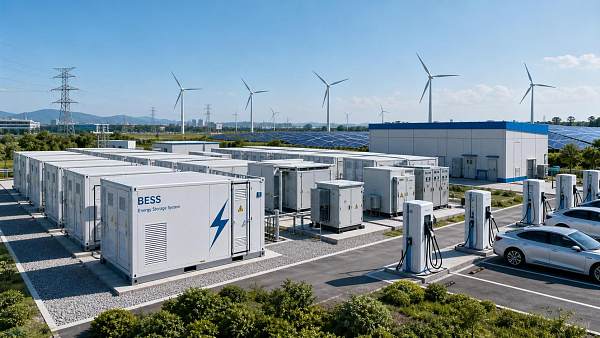
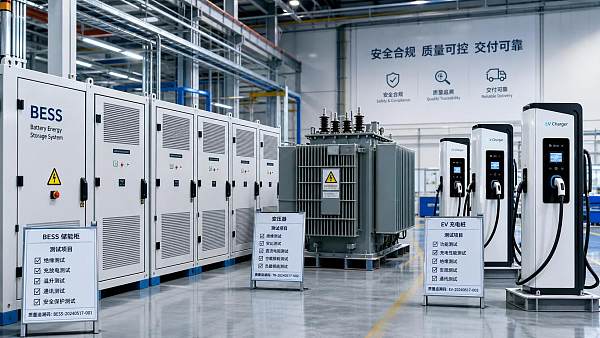
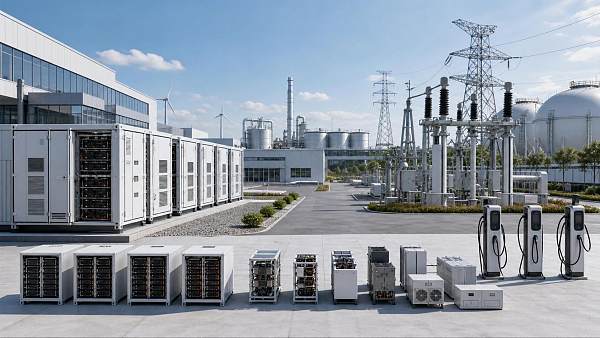
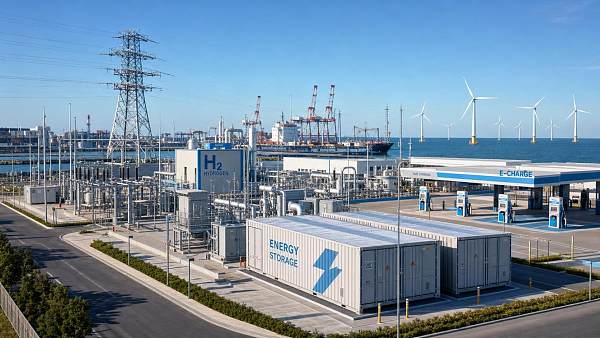
For ESGS, this is where intelligence matters. BESS containers, smart grid equipment, UHV transmission, EV hubs, and hydrogen systems interact economically.
Scenario Background: Why the Same Megawatt Can Carry Different Revenue Risk
Clean energy intermittency creates value gaps between production time and market demand time.
The gap widens when renewable output clusters around the same weather pattern, the same network node, or the same wholesale price signal.
In one market, the primary loss may be curtailment. In another, it may be negative pricing or settlement imbalance exposure.
In weak grids, clean energy intermittency can also reduce usable output because voltage support and fault-ride-through requirements limit dispatch flexibility.
Storage reduces these risks by absorbing excess generation and releasing it when the grid assigns higher operational and financial value.
This is why storage sizing should start with revenue-risk mapping, not only with installed renewable capacity.
Scenario One: Solar Price Cannibalization During Midday Surplus
Solar-heavy markets often experience compressed midday prices, especially during high irradiance and mild demand conditions.
Clean energy intermittency becomes a revenue issue when abundant solar output arrives before evening load ramps and thermal units retire slowly.
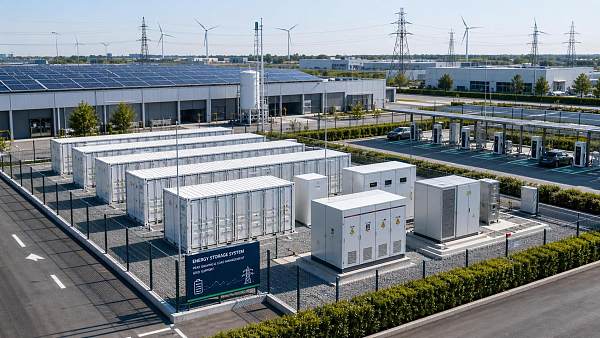
A BESS container can charge during low-price hours and discharge during evening peaks, restoring value to otherwise discounted generation.
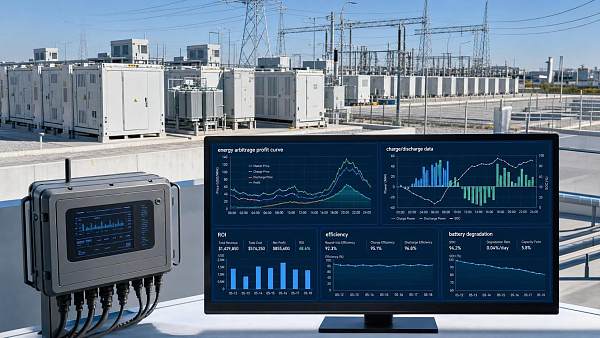
The key judgment is spread persistence. Storage economics improve when peak-valley spreads repeat frequently, not only during rare scarcity events.
Liquid-cooled BESS systems also protect usable capacity by controlling cell temperature differences under rapid daily cycling.
For solar scenarios, clean energy intermittency should be evaluated against curtailment probability, nodal congestion, discharge duration, and degradation cost.
Scenario Two: Wind Volatility and Imbalance Settlement Exposure
Wind generation can swing sharply across forecast intervals, especially during weather fronts, ramp events, and regional storm systems.
Clean energy intermittency creates imbalance risk when actual generation deviates from scheduled delivery or contracted supply obligations.
Storage can smooth short-term deviations, reduce penalty exposure, and improve the credibility of firmed renewable delivery.
The judgment point is response speed. Millisecond-level power conversion and dispatch control matter more than only energy duration.
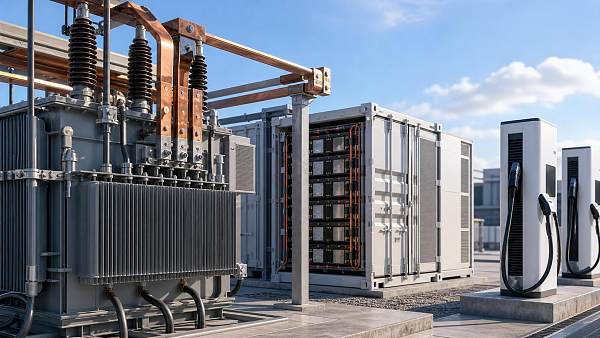
Smart grid T&D equipment strengthens this scenario by providing switching, protection, and control in unstable electromagnetic environments.
For wind assets, clean energy intermittency should be priced through forecast error, settlement rules, reserve requirements, and transmission availability.
Scenario Three: Remote Renewables Facing Transmission Bottlenecks
Large renewable bases are often located far from industrial load centers, ports, or dense urban demand.
Clean energy intermittency combines with spatial mismatch when wind and solar output cannot move through constrained corridors.
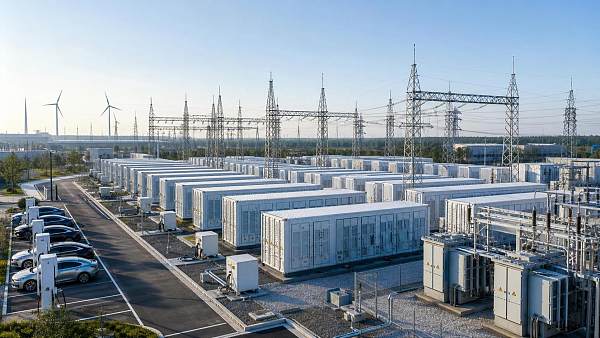
UHV transformers and HVDC systems reduce this mismatch by moving bulk power over long distances with lower thermal losses.
Storage near generation can reduce curtailment. Storage near load can capture price spreads and improve local reliability.
The judgment point is congestion location. A battery placed on the wrong side of a constraint may preserve less value.
In remote scenarios, clean energy intermittency should be assessed with grid expansion timelines, interconnection queues, and UHV transfer capacity.
Scenario Four: EV Charging Hubs Creating New Peak Loads
High-power charging hubs are becoming energy nodes, not simple electricity consumers.
When charging demand rises during commute peaks, clean energy intermittency can collide with distribution constraints and wholesale price spikes.
On-site storage buffers demand charges, reduces transformer stress, and allows renewable energy to be used at more valuable charging times.
V2G can extend this flexibility by turning parked vehicles into distributed reserves, when regulation and user incentives align.
The judgment point is utilization variability. Fast chargers with uncertain dwell patterns need storage control linked to real-time tariffs.
For charging infrastructure, clean energy intermittency should be evaluated with queue behavior, feeder capacity, tariff design, and vehicle participation.
Scenario Five: Hydrogen Electrolyzers Converting Volatility Into Long-Duration Value
Not every surplus megawatt should be stored in batteries. Duration, seasonality, and end-use value matter.
Hydrogen electrolyzers can convert curtailed renewable power into fuel, feedstock, or exportable energy carriers.
Clean energy intermittency becomes an opportunity when PEM or ALK systems operate flexibly around low-price renewable windows.
The judgment point is utilization versus electricity cost. Very low-cost power may justify lower operating hours.
Hydrogen works best when there is demand certainty, storage capacity, compression infrastructure, and credible offtake pricing.
In Power-to-X scenarios, clean energy intermittency should be modeled through electrolyzer flexibility, hydrogen logistics, and long-duration revenue optionality.
Different Scenario Needs: Revenue Risks and Storage Responses
The table shows why clean energy intermittency cannot be solved with one storage template.
Each case requires a different balance between power rating, energy duration, control speed, interconnection strategy, and revenue stacking.
Scenario Fit Recommendations for Storage-Backed Clean Energy Assets
- Map hourly price spreads before selecting battery duration.
- Model clean energy intermittency with local congestion and settlement rules.
- Separate arbitrage income from ancillary service income.
- Test degradation cost under realistic cycling patterns.
- Validate thermal safety under high dispatch intensity.
- Assess whether UHV transmission reduces or shifts curtailment.
- Use VPP controls when distributed assets can respond reliably.
- Consider hydrogen when surplus duration exceeds battery economics.
A strong storage case usually combines several revenue channels, but each channel must be discounted by technical availability and market saturation risk.
Clean energy intermittency also requires stress testing. A project that works in average prices may fail during low-volatility years.
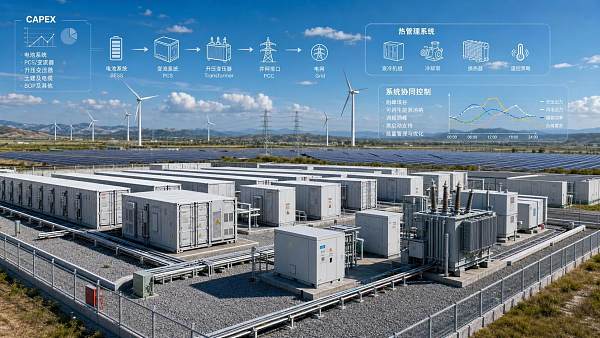
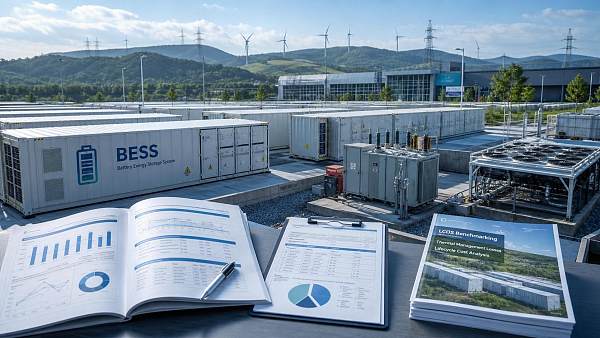
ESGS emphasizes LCOS discipline, thermal runaway safety, dispatch intelligence, and grid-code compliance as linked financial variables.
Common Misjudgments That Leave Intermittency Risk Unpriced
Assuming curtailment is temporary
Curtailment may decline after grid upgrades, but renewable additions can quickly refill available transmission capacity.
Clean energy intermittency should therefore be modeled over the full asset life, not only the first operating years.
Treating storage as pure arbitrage
Arbitrage is important, but frequency regulation, capacity payments, black-start support, and reliability contracts can materially change returns.
However, stacking revenues requires dispatch priority rules. The same megawatt-hour cannot serve every market at once.
Ignoring safety and availability
Revenue models often assume high availability, while real assets face maintenance, thermal limits, and compliance downtime.
UL 9540A evidence, liquid cooling design, fire separation, and monitoring quality directly affect financeable availability.
Overlooking digital dispatch quality
Clean energy intermittency can move faster than manual trading processes or static operating plans.
Digital twins, VPP algorithms, and millisecond control help assets respond before volatility becomes lost revenue.
A Practical Evaluation Path Before Storage Investment
- Define the dominant revenue risk in the target node.
- Quantify clean energy intermittency across hourly, seasonal, and weather-driven patterns.
- Compare battery, grid reinforcement, V2G, and hydrogen alternatives.
- Select storage duration using revenue distribution, not simple capacity ratios.
- Verify safety, cooling, degradation, and grid-code assumptions.
- Build a downside case with lower spreads and higher curtailment.
- Review contract terms for availability, penalties, and dispatch control rights.
This path converts clean energy intermittency from a vague technical concern into measurable revenue exposure.
It also clarifies whether storage should be colocated, standalone, network-side, behind-the-meter, or integrated with hydrogen production.
Action Guide: Turning Clean Energy Intermittency Into Bankable Flexibility
The next step is to build a scenario matrix for each target asset or portfolio.
That matrix should connect generation profiles, market prices, grid constraints, safety requirements, and dispatch opportunities.
Storage reduces revenue risk when it is sized, located, controlled, and contracted for the exact intermittency pattern it must manage.
Clean energy intermittency will remain a defining feature of zero-carbon grids, but it does not need to remain an unmanaged financial threat.
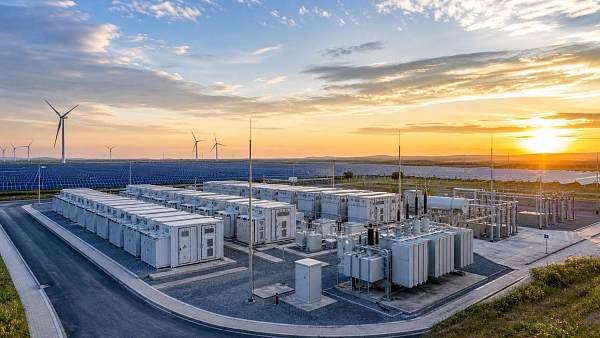
With rigorous intelligence, BESS containers, UHV systems, EV hubs, and hydrogen electrolyzers can become coordinated reservoirs of grid value.
ESGS supports this transition by linking asset safety, dispatch science, LCOS analysis, and strategic infrastructure insight into practical investment judgment.
For projects exposed to clean energy intermittency, the most valuable question is not whether storage helps.
The critical question is which storage configuration captures the specific risk before the market prices it away.
Related News
 Grid Resilience Solution Price: Cost Drivers and ROI BenchmarksMr. Orion SterlingGrid resilience solution price explained: compare cost drivers, hidden risks, and ROI benchmarks to choose a safer, higher-value energy resilience investment.
 Millisecond Grid Control Cost: What Drives ROI in Fast-Response Storage?Mr. Orion SterlingMillisecond grid control cost directly affects ROI in fast-response storage. Discover what drives returns, lowers risk, and improves revenue, uptime, and bankability.
 Renewable Power Storage Solution Cost: What Drives CAPEX and PaybackMr. Orion SterlingRenewable power storage solution cost explained: discover what drives CAPEX, thermal design, PCS, safety compliance, and payback to make smarter, lower-risk storage investment decisions.
 Electrical Infrastructure Materials That Affect Lifecycle CostMr. Orion SterlingElectrical infrastructure materials directly shape lifecycle cost through losses, maintenance, downtime, and risk. Discover how smarter material choices protect ROI.
 Supplier Capability Evaluation Checklist for High-Risk Energy ProjectsMr. Orion SterlingSupplier capability evaluation checklist for high-risk energy projects. Learn how to assess safety, compliance, quality, and delivery resilience to reduce risk and improve sourcing decisions.
 Peak Shaving Solution Europe: When the ROI Works in 2026Mr. Orion SterlingPeak shaving solution Europe: discover when ROI works in 2026, which sites profit first, and how to compare BESS options for faster payback, lower grid costs, and scalable energy flexibility.
![]() Zero Carbon Grid Solution Integration: Key Design Choices and Cost RisksMr. Orion SterlingZero carbon grid solution integration explained: discover key design choices, hidden interface cost risks, and how storage, EV charging, transmission, and hydrogen affect project value.
Zero Carbon Grid Solution Integration: Key Design Choices and Cost RisksMr. Orion SterlingZero carbon grid solution integration explained: discover key design choices, hidden interface cost risks, and how storage, EV charging, transmission, and hydrogen affect project value. Energy Arbitrage Calculator: What Inputs Change ROI the Most?Mr. Orion SterlingEnergy arbitrage calculator insights: discover which inputs most affect ROI, from price spreads and efficiency to degradation, demand charges, and dispatch risk.
 Grid-Scale Storage Systems: Cost Drivers, Revenue Paths, and Payback RisksMr. Orion SterlingGrid-scale storage systems explained: uncover key cost drivers, revenue streams, and payback risks to evaluate projects smarter and invest with greater confidence.
 Energy Intelligence Platforms for Sourcing: What to Compare Before You BuyMr. Orion SterlingEnergy intelligence platforms for sourcing: compare supplier depth, technical compliance, market signals, and lifecycle cost tools before you buy to reduce risk and choose with confidence.
 LCOS Benchmarking Methods That Expose Hidden Storage CostsMr. Orion SterlingLCOS benchmarking methods that reveal hidden storage costs, from augmentation and thermal losses to downtime and compliance, helping buyers compare BESS projects with confidence.
 Zero-Carbon Infrastructure in Europe: What Will Shape Projects in 2026Mr. Orion SterlingZero-carbon infrastructure Europe enters a tougher 2026 phase shaped by storage, grids, hydrogen, and EV charging. Discover what makes projects bankable, compliant, and investment-ready.