As power markets decarbonize, decision-makers need energy transition solutions that do more than cut emissions. They must preserve grid stability, limit lifecycle cost, and support scalable infrastructure returns.
That challenge is now central across utilities, transport, industrial power, and digital infrastructure. Variable renewables are growing fast, yet grids still require precision, resilience, and investment discipline.
The strongest energy transition solutions connect engineering performance with commercial logic. They balance flexibility, safety, dispatchability, and long-term asset value across interconnected systems.
Defining Energy Transition Solutions in Practical Terms
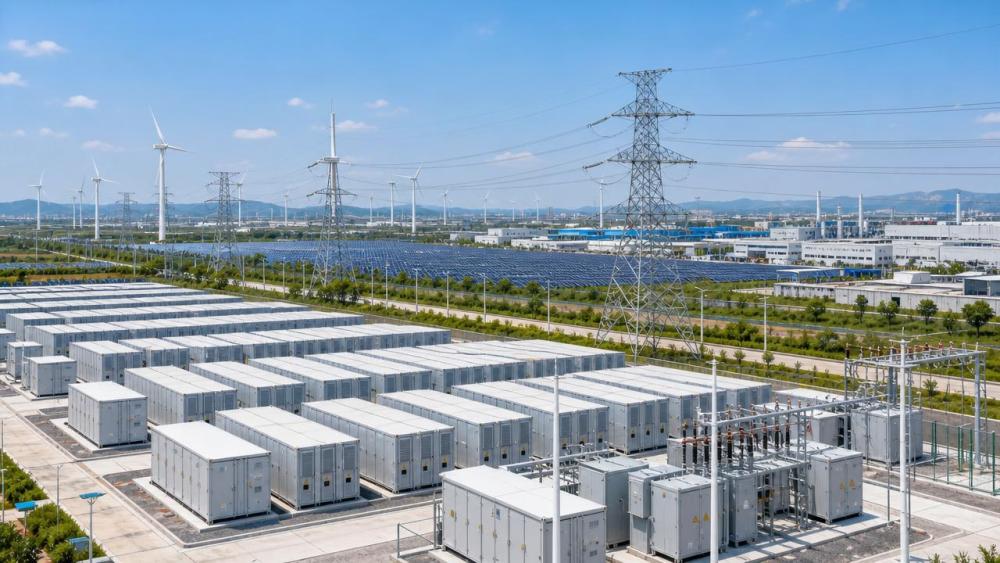
In practice, energy transition solutions are coordinated technologies and operating models that enable cleaner power without weakening system reliability or project economics.
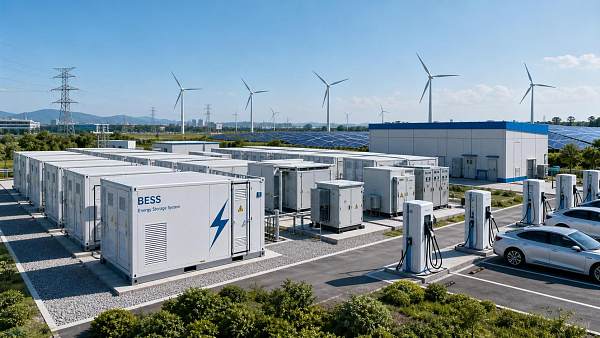
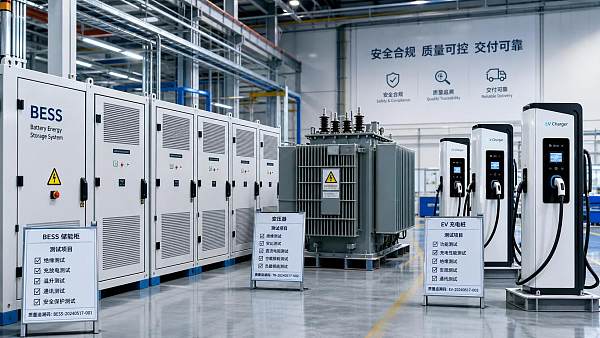
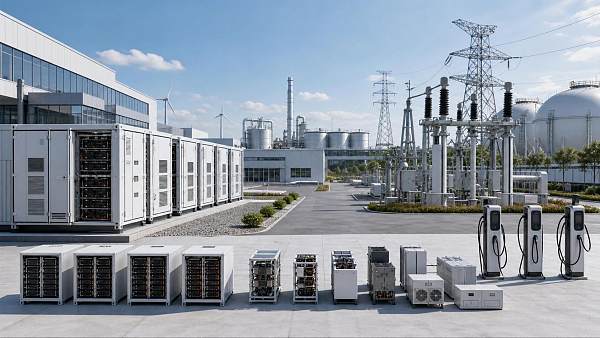
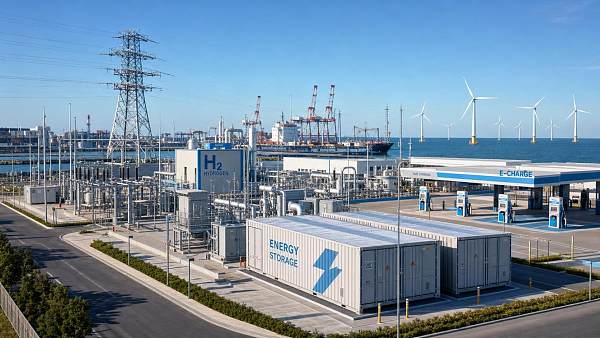
They include grid-scale BESS containers, smart transmission and distribution equipment, UHV transformers, EV charging and swapping networks, and hydrogen electrolyzers.
Each solves a different bottleneck. Together, they address intermittency, congestion, spatial mismatch, peak demand, and long-duration balancing needs.
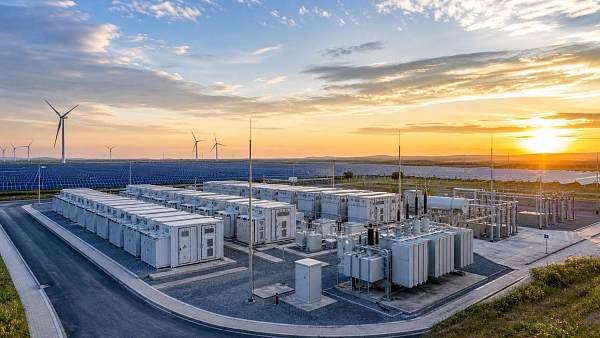
This matters because decarbonization is no longer only about adding solar or wind capacity. It is about ensuring every new megawatt can be moved, stored, stabilized, and monetized.
Effective energy transition solutions therefore combine hardware, software, safety compliance, and market participation strategies under one operational framework.
Core Functional Layers
- Storage absorbs surplus renewable electricity and discharges during constrained or expensive hours.
- Transmission moves clean electricity from remote generation zones to major demand centers.
- Smart grid controls isolate faults and manage rapid power flow variation.
- Charging networks convert transport electrification into flexible distributed load.
- Hydrogen systems convert curtailed electricity into storable zero-carbon fuel.
Industry Context and the Signals Shaping Investment
Several structural changes explain why energy transition solutions have become a board-level priority across the broader industry landscape.
- Renewable penetration is increasing faster than legacy grids were designed to handle.
- Curtailment and congestion are eroding project value in high-resource regions.
- Electrified transport is shifting demand profiles and local peak pressure.
- Grid operators require faster response for frequency regulation and reserve capacity.
- Capital markets are scrutinizing bankability, safety, and predictable cash yield.
These signals favor integrated assets over isolated equipment decisions. A storage project, for example, must now be evaluated against dispatch strategy, thermal safety, and interconnection constraints.
Why Cost and Grid Stability Must Be Evaluated Together
The lowest upfront price rarely delivers the best outcome. Reliable energy transition solutions must be assessed using total system value, not equipment cost alone.
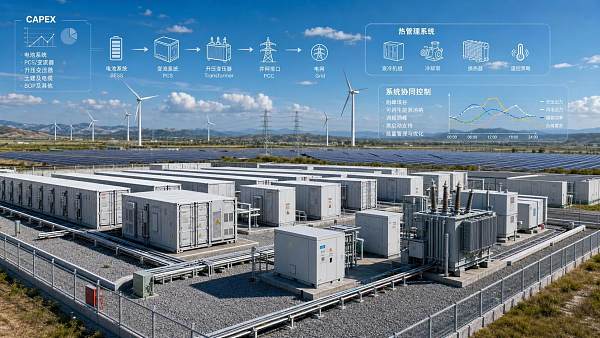
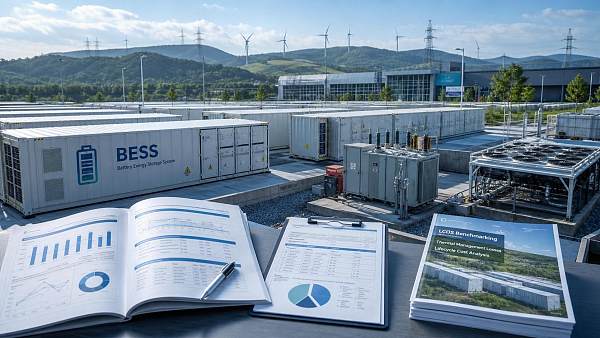
For grid-scale BESS, this means looking beyond battery capacity. Thermal management, PCS quality, software response speed, degradation, and compliance testing all affect returns.
Advanced liquid cooling is especially important. Keeping cell temperature spread within tight limits supports cycle life, power consistency, and lower thermal runaway risk.
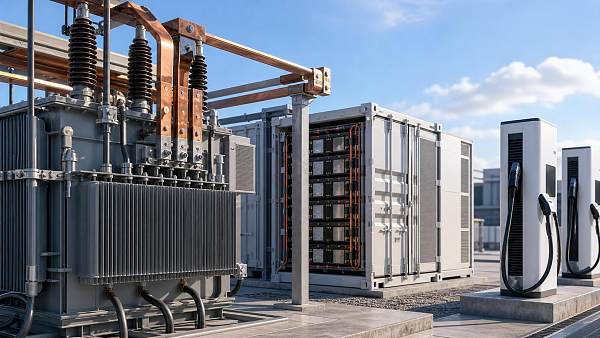
Transmission assets show a similar pattern. Higher-specification transformers and HV equipment may require more capital, yet they reduce losses, downtime, and constrained renewable utilization.
The same logic applies to charging networks. Fast charging that ignores local feeder conditions can create expensive reinforcement requirements and poor site economics.
Cost Factors That Often Change the Decision
- Levelized cost of storage across expected duty cycles.
- Thermal safety design and certification readiness, including UL 9540A pathways.
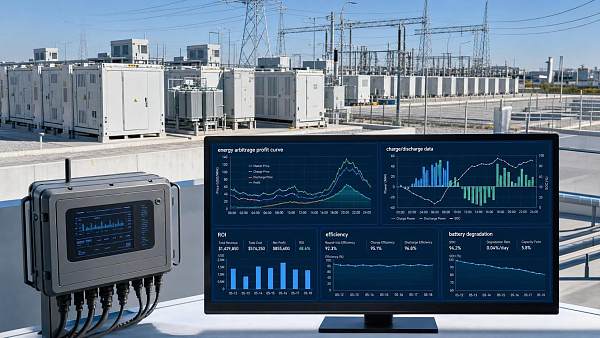
- Revenue stacking potential from arbitrage, ancillary services, and capacity leasing.
- Interconnection delays, curtailment risk, and grid code compliance cost.
- Lifetime maintenance and digital monitoring requirements.
Application Value Across Key Infrastructure Segments
Different infrastructure segments use energy transition solutions in distinct ways, yet all depend on balancing flexibility with reliability.
Grid-Scale BESS Containers
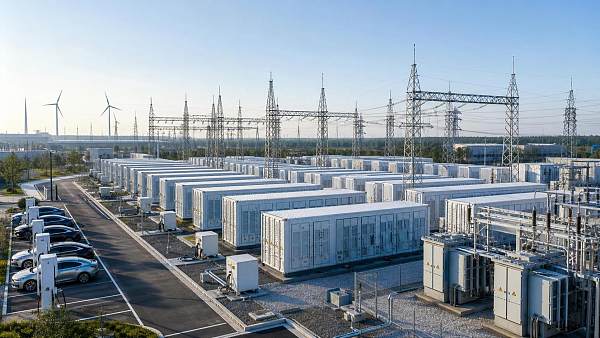
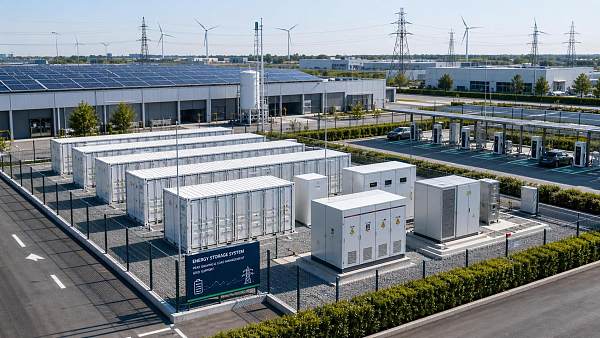
BESS acts as the grid’s fast-response buffer. It captures excess renewable output and returns power during evening peaks, outages, or frequency excursions.
Well-designed systems improve dispatch precision and unlock peak-valley arbitrage. They also support black start capability, reserve services, and constrained-node relief.
Smart Grid Transmission and Distribution
Switchgear, HVDC, protection systems, and digital controls form the neural layer of modern electricity networks. Their role is to move and route power safely under dynamic conditions.
These energy transition solutions reduce fault impact, improve power quality, and support complex renewable integration where traditional grid architecture struggles.
UHV Transmission and Transformers
UHV infrastructure is crucial where resource-rich generation sits far from industrial demand. It enables large-scale renewable delivery with lower line losses over long distances.
For national systems, this can reshape power geography. It turns remote desert solar or offshore wind into dependable supply for heavy load corridors.
EV Charging, Swapping, and V2G
Charging infrastructure is no longer just a transport asset. It is becoming an active grid interface with demand management and distributed storage value.
Smart scheduling, 800V charging architecture, and V2G integration help convert charging clusters into flexible energy transition solutions instead of new grid burdens.
Hydrogen Electrolyzers
Hydrogen systems absorb excess renewable electricity that would otherwise be curtailed. They create a pathway for longer-duration storage, industrial fuel switching, and exportable energy carriers.
This makes electrolyzers valuable where direct electrification is limited or seasonal balancing needs exceed battery duration.
Typical Deployment Scenarios and Solution Matching
Implementation Priorities and Risk Controls
Strong implementation starts with system boundaries. Projects fail when generation, storage, transmission, and flexible load are evaluated in separate silos.
- Model the full power flow, not only installed capacity.
- Quantify revenue under multiple dispatch and price scenarios.
- Verify thermal safety, fire strategy, and export compliance early.
- Check whether digital controls can support millisecond-level response.
- Align equipment selection with grid code and local market rules.
Digital twins and strategic intelligence tools increasingly improve these steps. They help compare scenarios, reveal hidden bottlenecks, and test stability before physical deployment.
For complex portfolios, virtual power plant logic adds further value. It orchestrates storage cabinets, chargers, and distributed assets as one flexible operating resource.
A Practical Next Step for Evaluating Energy Transition Solutions
The next step is not simply choosing a technology category. It is defining which constraint most limits value today: curtailment, congestion, instability, or poor asset utilization.
From there, compare energy transition solutions using a common framework covering technical performance, safety, lifecycle economics, and dispatch flexibility.
ESGS tracks this intersection across BESS containers, smart grid equipment, UHV transmission, EV charging infrastructure, and hydrogen electrolyzers.
A structured evaluation can reveal where resilience, profitability, and decarbonization reinforce each other. That is where durable energy transition solutions create the greatest long-term advantage.
Related News
 Grid Resilience Solution Price: Cost Drivers and ROI BenchmarksMr. Orion SterlingGrid resilience solution price explained: compare cost drivers, hidden risks, and ROI benchmarks to choose a safer, higher-value energy resilience investment.
 Millisecond Grid Control Cost: What Drives ROI in Fast-Response Storage?Mr. Orion SterlingMillisecond grid control cost directly affects ROI in fast-response storage. Discover what drives returns, lowers risk, and improves revenue, uptime, and bankability.
 Renewable Power Storage Solution Cost: What Drives CAPEX and PaybackMr. Orion SterlingRenewable power storage solution cost explained: discover what drives CAPEX, thermal design, PCS, safety compliance, and payback to make smarter, lower-risk storage investment decisions.
 Electrical Infrastructure Materials That Affect Lifecycle CostMr. Orion SterlingElectrical infrastructure materials directly shape lifecycle cost through losses, maintenance, downtime, and risk. Discover how smarter material choices protect ROI.
 Supplier Capability Evaluation Checklist for High-Risk Energy ProjectsMr. Orion SterlingSupplier capability evaluation checklist for high-risk energy projects. Learn how to assess safety, compliance, quality, and delivery resilience to reduce risk and improve sourcing decisions.
 Peak Shaving Solution Europe: When the ROI Works in 2026Mr. Orion SterlingPeak shaving solution Europe: discover when ROI works in 2026, which sites profit first, and how to compare BESS options for faster payback, lower grid costs, and scalable energy flexibility.
![]() Zero Carbon Grid Solution Integration: Key Design Choices and Cost RisksMr. Orion SterlingZero carbon grid solution integration explained: discover key design choices, hidden interface cost risks, and how storage, EV charging, transmission, and hydrogen affect project value.
Zero Carbon Grid Solution Integration: Key Design Choices and Cost RisksMr. Orion SterlingZero carbon grid solution integration explained: discover key design choices, hidden interface cost risks, and how storage, EV charging, transmission, and hydrogen affect project value. Energy Arbitrage Calculator: What Inputs Change ROI the Most?Mr. Orion SterlingEnergy arbitrage calculator insights: discover which inputs most affect ROI, from price spreads and efficiency to degradation, demand charges, and dispatch risk.
 Grid-Scale Storage Systems: Cost Drivers, Revenue Paths, and Payback RisksMr. Orion SterlingGrid-scale storage systems explained: uncover key cost drivers, revenue streams, and payback risks to evaluate projects smarter and invest with greater confidence.
 Energy Intelligence Platforms for Sourcing: What to Compare Before You BuyMr. Orion SterlingEnergy intelligence platforms for sourcing: compare supplier depth, technical compliance, market signals, and lifecycle cost tools before you buy to reduce risk and choose with confidence.
 LCOS Benchmarking Methods That Expose Hidden Storage CostsMr. Orion SterlingLCOS benchmarking methods that reveal hidden storage costs, from augmentation and thermal losses to downtime and compliance, helping buyers compare BESS projects with confidence.
 Zero-Carbon Infrastructure in Europe: What Will Shape Projects in 2026Mr. Orion SterlingZero-carbon infrastructure Europe enters a tougher 2026 phase shaped by storage, grids, hydrogen, and EV charging. Discover what makes projects bankable, compliant, and investment-ready.