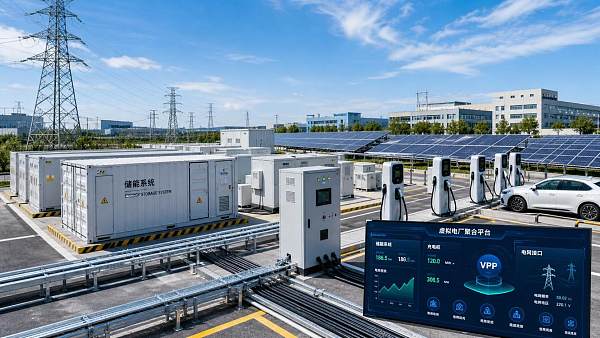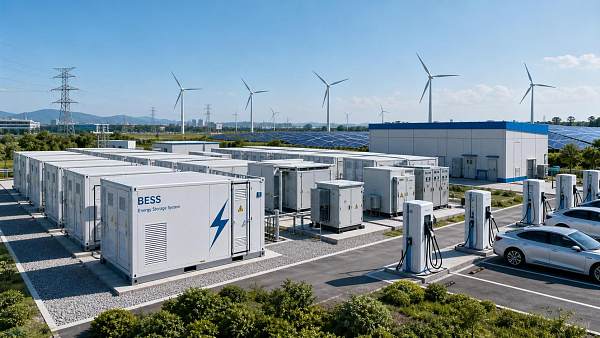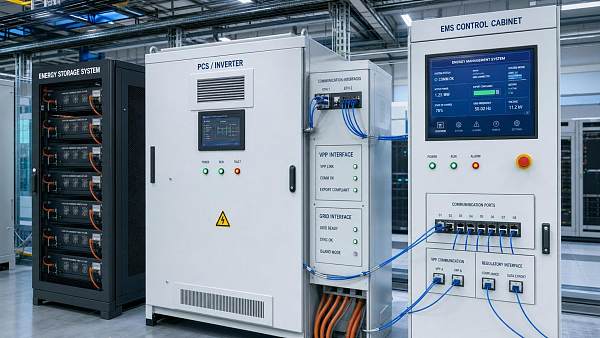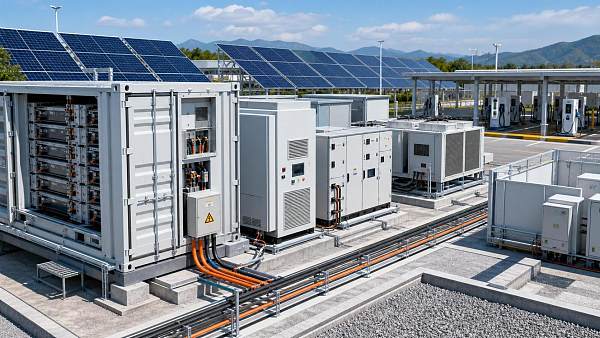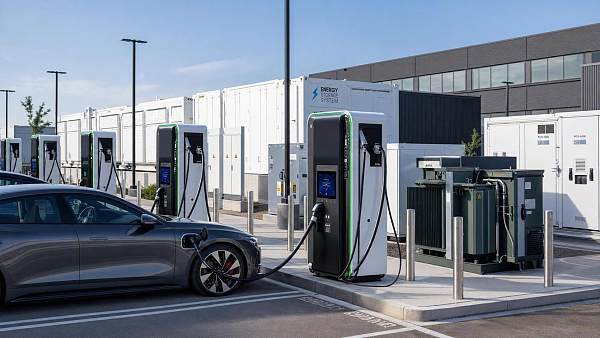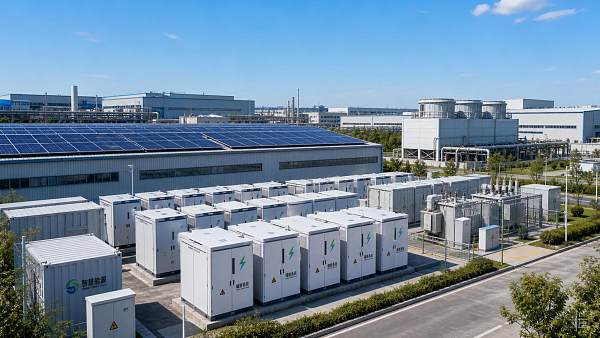
At the conclusion of the 139th Canton Fair on May 5, 2026, a notable rise in new inquiries from Latin American buyers was observed — up 25% week-on-week since March — with residential energy storage (residential ESS) and microgrid solutions emerging as dominant product categories. This development signals growing traction for China-sourced C&I (commercial & industrial) energy storage systems in emerging markets, particularly where diesel backup replacement is underway.
Event Overview
The 139th Canton Fair closed on May 5, 2026. According to on-site surveys and exhibitor feedback, new inquiry volume from Latin American buyers increased by 25% week-on-week starting in March 2026. Among these inquiries, residential energy storage, industrial green microgrids, power conversion systems (PCS), and energy management systems (EMS) collectively accounted for over 40%. Multiple procurement delegations explicitly stated they are urgently replacing aging diesel backup power systems and seeking integrated ‘PV + storage + intelligent EMS’ turnkey delivery solutions.
Industries Affected
Direct Export Trading Firms
These firms face heightened demand pressure for rapid quotation, technical documentation, and compliance support tailored to Latin American grid standards and certification requirements (e.g., INMETRO, NOM). The shift toward integrated system sales — rather than component-only orders — increases complexity in cross-border logistics coordination and after-sales service planning.
Component Manufacturers (PCS, EMS, BMS)
Manufacturers supplying core subsystems are seeing stronger pull-through demand linked to system-level projects. However, this does not automatically translate into higher order volumes unless their products are pre-qualified within integrators’ approved vendor lists or certified for regional interoperability protocols.
System Integrators & EPC Providers
Integrators benefit most directly: Latin American buyers are prioritizing full-solution providers capable of delivering coordinated PV, battery, PCS, and EMS packages. This raises the bar for technical integration capability, local regulatory knowledge, and project financing support — especially for distributed microgrid deployments.
Supply Chain & Logistics Service Providers
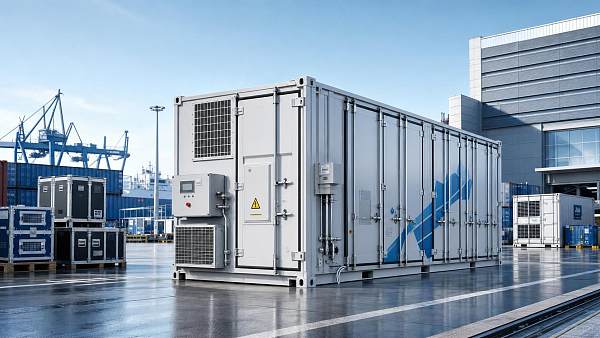
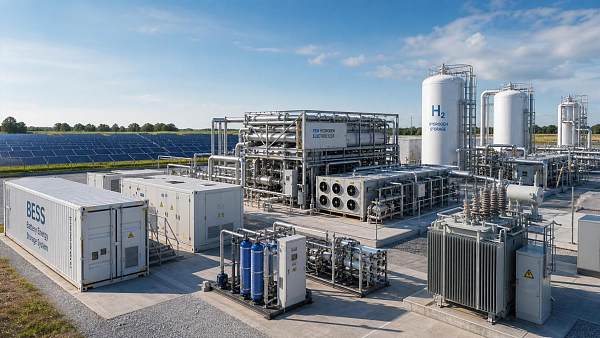
Increased demand for containerized, pre-commissioned microgrid kits — often shipped as complete skid-mounted units — alters packaging, customs classification, and inland transport planning. Providers must now accommodate more frequent partial-container shipments with mixed voltage and safety labeling requirements.
Key Focus Areas and Recommended Actions
Monitor official trade facilitation updates from China’s Ministry of Commerce and Latin American import authorities
Current inquiry growth reflects early-stage commercial interest; actual export acceleration will depend on tariff treatment, mutual recognition of certifications (e.g., CB Scheme adoption), and bilateral MOUs on renewable energy cooperation — all of which remain under discussion.
Prioritize product readiness for key Latin American submarkets
Focus efforts on countries where diesel phase-out timelines are publicly defined (e.g., Colombia’s 2030 off-grid diesel reduction target, Chile’s distributed generation incentives) and where ‘PV + storage’ pilot programs have already been launched by national utilities.
Distinguish between inquiry momentum and confirmed order conversion
While weekly inquiry growth is measurable, average lead time from first contact to signed contract remains 8–12 weeks for integrated microgrid projects. Sales teams should avoid conflating high inquiry volume with near-term revenue uplift without validating technical alignment and financing pathways.
Prepare for expanded technical support capacity
Latin American buyers increasingly request bilingual engineering documentation, remote commissioning support, and localized EMS interface customization. Firms should assess current technical service bandwidth and consider partnerships with regional engineering firms ahead of Q3 2026 tender cycles.
Editorial Perspective / Industry Observation
Observably, this surge reflects a structural shift — not just cyclical demand — driven by tightening diesel supply chains, rising fuel costs, and policy-driven grid decentralization across Latin America. Analysis shows that buyer intent centers less on standalone battery units and more on interoperable, field-deployable systems validated for tropical climates and variable grid conditions. It is better understood as an early signal of market maturation rather than an immediate export boom: real impact depends on how quickly Chinese suppliers can align with regional technical, financial, and service expectations — not just product specifications.
Conclusion: This Canton Fair data point underscores accelerating international adoption of distributed clean energy infrastructure — but its operational significance lies not in headline growth rates, but in the increasing specificity of buyer requirements. For industry participants, it is more useful to treat this as a validation of long-term market direction than as a short-term sales catalyst. Current conditions favor firms with pre-established technical localization, modular system architecture, and flexible delivery models — rather than those relying solely on cost-advantaged component supply.
Source Attribution: On-site exhibitor interviews and aggregated inquiry analytics reported during the 139th Canton Fair (May 5, 2026 closing date); no third-party verification or government statistical release cited. Ongoing monitoring is recommended for official export statistics from China’s General Administration of Customs and Latin American national energy ministries, which have not yet published corresponding 2026 Q2 trade data.
Related News
 How to Evaluate a Virtual Power Plant Aggregation PlatformProf. Kaelen VossVirtual power plant aggregation platform evaluation starts with real dispatch, integration, optimization, and security checks. Learn how to compare vendors and choose a scalable, bankable solution.
 EU Sets UL 9540A Rule for Imported Liquid-Cooled BESSGrid Storage ArchitectEU sets UL 9540A rule for imported liquid-cooled BESS. Learn how the October 2026 EU requirement impacts compliance, certification timelines, costs, and delivery planning.
 Oil-Immersed Transformer Applications in Reliable Power Distribution ProjectsUHV Engineering FellowAn application guide for oil-immersed transformer buyers reviewing load profile, site conditions, insulation, cooling, testing, documentation, and project integration.
 Grid Resilience Solution Price: Cost Drivers and ROI BenchmarksMr. Orion SterlingGrid resilience solution price explained: compare cost drivers, hidden risks, and ROI benchmarks to choose a safer, higher-value energy resilience investment.
 DOE Adds UL 62271-200 for Imported ElectrolyzersHydrogen Tech ScientistDOE Adds UL 62271-200 for Imported Electrolyzers: learn how the new U.S. rule affects ALK and PEM shipments, certification timing, compliance costs, and market access from Sept. 1, 2026.
 DC Fast Charging Station Kiosk: Key Features to Compare Before You SpecifyEV Infrastructure ExpertDC fast charging station kiosk selection goes beyond power ratings. Compare uptime, thermal design, connectors, payments, and grid readiness before you specify.
 EU Sets New Thermal Runaway Test Rule for Liquid-Cooled BESSGrid Storage ArchitectEU Sets New Thermal Runaway Test Rule for Liquid-Cooled BESS: learn how UL 9540A Tier 3 and EN 50620:2025 requirements may impact EU market access, timelines, and compliance costs.
 PEM Hydrogen Electrolyzer Sizing: Key Factors That Affect Efficiency and CostHydrogen Tech ScientistPEM hydrogen electrolyzer sizing directly affects efficiency, CAPEX, and hydrogen cost. Learn the key factors shaping smarter, scalable system decisions.
 IEC 62933-5-2:2026 Makes VPP Interfaces MandatoryGrid Storage ArchitectIEC 62933-5-2:2026 makes VPP interfaces mandatory for newly certified PCS and EMS products, reshaping compliance in 32 export markets. Learn what manufacturers, integrators, and distributors must do now.
 Energy Storage Systems Integration: Common Failures and FixesGrid Storage ArchitectEnergy storage systems integration often fails at control, thermal, and commissioning interfaces. Discover common faults, practical fixes, and how to improve BESS reliability and project ROI.
 EV Charging Protocol References That Matter for System CompatibilityEV Infrastructure ExpertEV charging protocol references explained for real system compatibility. Learn how CCS, ISO 15118, DIN 70121, OCPP, and grid standards reduce integration risk and support scalable EV charging.
 C&I Storage for Factories: Where It Delivers the Best ROIGrid Storage ArchitectCommercial and industrial storage for factories delivers the best ROI when it cuts demand charges, boosts solar self-consumption, and protects uptime. See where payback is fastest.