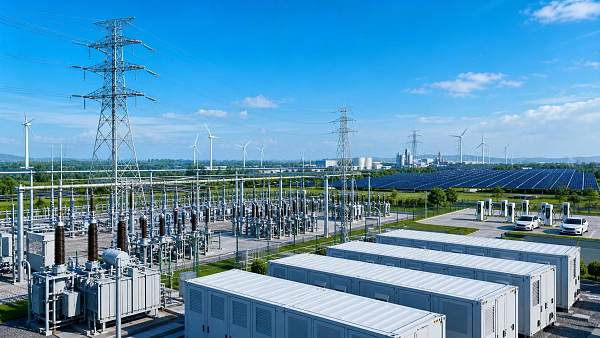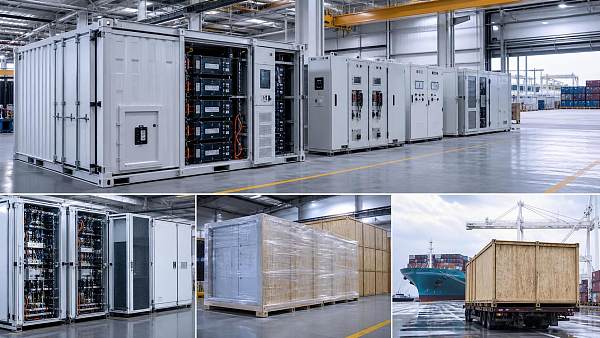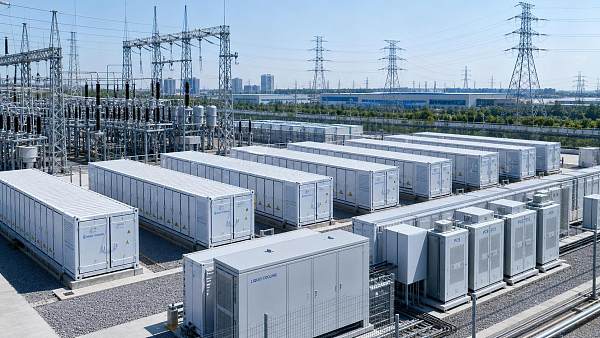
Grid-scale energy storage attracts attention because CAPEX numbers look easier to compare than future cash flow quality. Yet project value rarely depends on battery price alone. The harder question is whether utilization, dispatch rights, degradation, and market rules can turn a storage asset into durable revenue. For anyone reviewing a large project, the gap between model assumptions and operating reality deserves closer scrutiny.
Why grid-scale energy storage economics are being reassessed
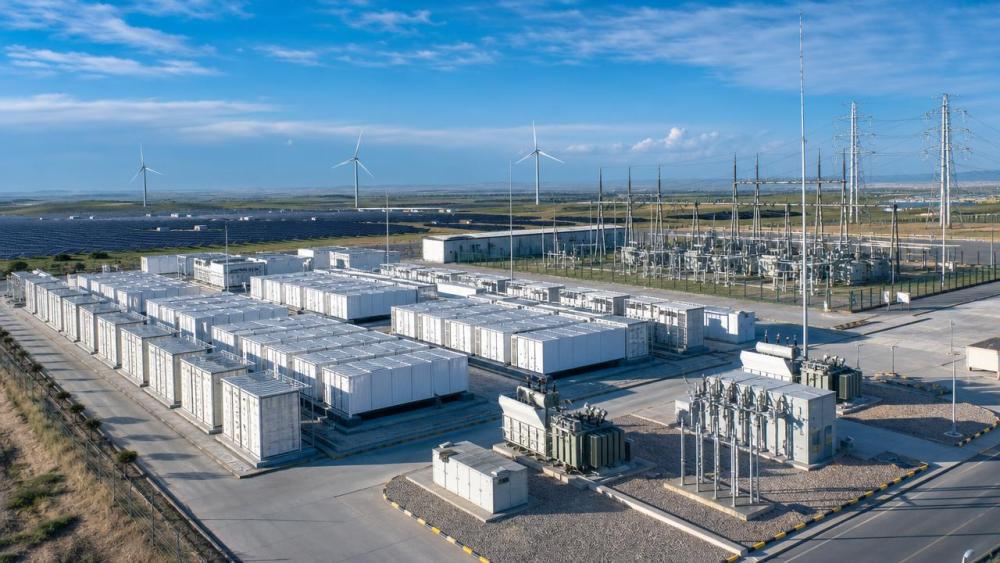
The market narrative around grid-scale energy storage has changed quickly. Earlier discussions focused on falling battery pack prices. Now attention is shifting toward realized revenue, interconnection delays, curtailment patterns, and merchant risk.
This shift matters because many projects were justified using optimistic assumptions. High cycle counts, stable spreads, and full ancillary access often looked reasonable during development. Actual operation can be very different.
At the same time, grid-scale energy storage is becoming more central to modern power systems. More solar, more wind, more congestion, and more electrification increase the need for flexibility. That structural demand is real, but revenue pathways remain uneven across markets.
The strongest trend signals now come from revenue volatility, not only CAPEX decline
Battery costs have improved over time, but cost declines alone do not guarantee attractive returns. A lower upfront price can still support a weak project if market design limits dispatch or compresses spreads.
Several signals now shape the outlook for grid-scale energy storage:
- Ancillary service prices often fall after rapid storage buildout.
- Energy arbitrage value changes with renewable penetration and negative pricing.
- Capacity payments depend heavily on local reliability rules.
- Interconnection queues delay commercial operation and affect financing.
- Degradation risk becomes more visible when cycle intensity rises.
For this reason, grid-scale energy storage should be judged as a market-exposed infrastructure asset, not merely a hardware purchase. The difference is critical when forecasting equity returns or debt service coverage.
What is driving the divergence between modeled value and real project performance
The divergence usually comes from four drivers. Each one can materially change the business case for grid-scale energy storage.
This is why grid-scale energy storage needs both engineering diligence and market intelligence. A technically strong plant can still underperform if commercial assumptions ignore rule changes or localized price cannibalization.
CAPEX still matters, but LCOS and dispatch quality matter more
A narrow focus on installed cost can distort investment decisions. Low CAPEX may hide weak thermal design, shorter life, limited augmentation planning, or restrictive warranty conditions.
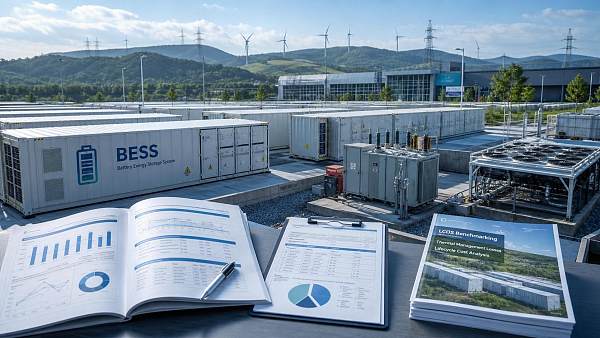
For grid-scale energy storage, levelized cost of storage should be linked to expected operating behavior. The battery system, PCS efficiency, HVAC load, round-trip efficiency, and maintenance profile all influence realized economics.
Dispatch quality also matters. If software cannot respond to market signals, optimize state of charge, or protect asset life, modeled gains may never appear. In many cases, control strategy creates more value than a small equipment discount.
The most common assumption errors
- Using peak historical spreads instead of normalized forward curves.
- Assuming full ancillary market access every day.
- Ignoring inverter clipping, auxiliary loads, and seasonal derating.
- Underestimating augmentation timing and replacement budgets.
- Applying generic degradation rates across different duty cycles.
How the current shift affects planning, financing, and grid operations
The new reality changes more than project modeling. It affects development timing, financing structure, insurance review, and operating strategy across the full grid-scale energy storage value chain.
From a planning perspective, location quality is becoming as important as equipment quality. A site with strong congestion relief potential or reliable ancillary demand may outperform a cheaper site with limited dispatch value.
From a financing perspective, lenders increasingly test downside cases. They want proof that grid-scale energy storage revenue does not depend on a single volatile market product. Revenue concentration is now a major concern.
From a system operations perspective, storage is no longer treated as a simple peaker substitute. It supports ramping, balancing, black start readiness in some systems, renewable integration, and local reliability support.
What should be checked before approving a grid-scale energy storage investment
Before approving any grid-scale energy storage project, several points deserve disciplined review:
- Validate revenue stacking under actual market participation rules.
- Review node-specific price history, not only regional averages.
- Stress-test arbitrage value under storage saturation scenarios.
- Confirm thermal management design for performance consistency.
- Match warranty language to the intended dispatch profile.
- Model augmentation, O&M, and auxiliary consumption explicitly.
- Check interconnection timing against financing and EPC schedules.
- Assess compliance, safety testing, and fire response obligations.
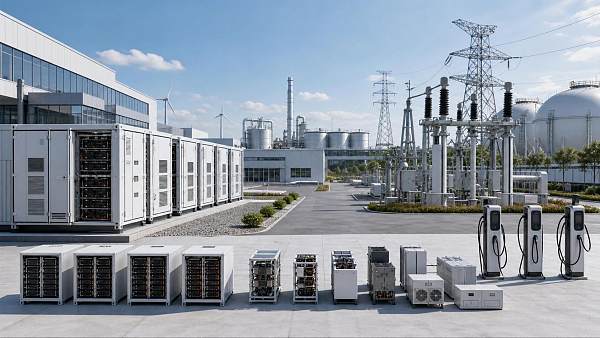
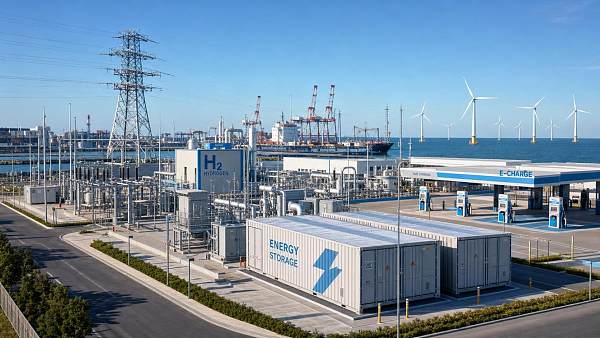
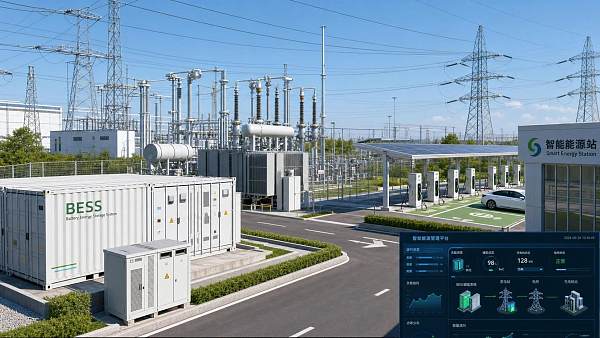
These checkpoints are especially relevant in complex power ecosystems. In markets integrating BESS containers, smart T&D equipment, UHV links, EV charging hubs, and hydrogen systems, storage value depends on coordination across infrastructure layers.
A practical framework for judging bankable revenue reality
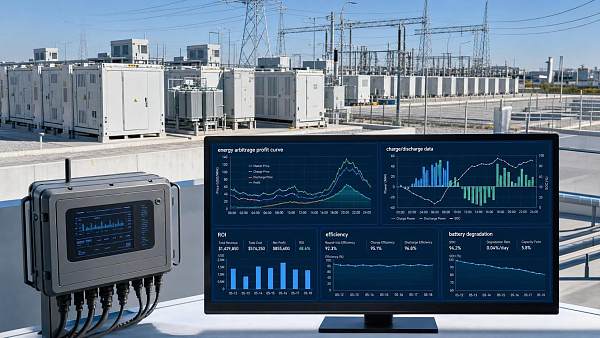
A useful evaluation framework compares projected income with dispatch constraints, technical limits, and market crowding. This approach turns grid-scale energy storage analysis into a bankability test rather than a price comparison exercise.
When viewed this way, grid-scale energy storage remains highly attractive in many regions. The opportunity is not disappearing. It is simply becoming more selective, more technical, and more dependent on disciplined revenue validation.
Next-step actions for sharper decisions
The best next step is to rebuild the project case from the revenue side backward. Start with market eligibility, nodal behavior, and realistic dispatch windows. Then test whether the chosen system architecture supports that operating profile.
For stronger confidence, compare base, downside, and saturation scenarios. Recheck degradation, augmentation, and safety compliance under each case. In grid-scale energy storage, approval quality improves when technical design and commercial logic are reviewed together, not separately.
Projects that pass this discipline are far more likely to deliver both grid value and durable returns. That is where CAPEX headlines stop mattering, and revenue reality begins to define true asset quality.
Related News
 Energy Arbitrage Calculator: What Inputs Change ROI the Most?Mr. Orion SterlingEnergy arbitrage calculator insights: discover which inputs most affect ROI, from price spreads and efficiency to degradation, demand charges, and dispatch risk.
 Grid-Scale Storage Systems: Cost Drivers, Revenue Paths, and Payback RisksMr. Orion SterlingGrid-scale storage systems explained: uncover key cost drivers, revenue streams, and payback risks to evaluate projects smarter and invest with greater confidence.
 Energy Intelligence Platforms for Sourcing: What to Compare Before You BuyMr. Orion SterlingEnergy intelligence platforms for sourcing: compare supplier depth, technical compliance, market signals, and lifecycle cost tools before you buy to reduce risk and choose with confidence.
 LCOS Benchmarking Methods That Expose Hidden Storage CostsMr. Orion SterlingLCOS benchmarking methods that reveal hidden storage costs, from augmentation and thermal losses to downtime and compliance, helping buyers compare BESS projects with confidence.
 Zero-Carbon Infrastructure in Europe: What Will Shape Projects in 2026Mr. Orion SterlingZero-carbon infrastructure Europe enters a tougher 2026 phase shaped by storage, grids, hydrogen, and EV charging. Discover what makes projects bankable, compliant, and investment-ready.
 Dynamic Power Flow Control: When It Pays Off in Congested GridsMr. Orion SterlingDynamic power flow control can unlock hidden grid capacity, cut curtailment, and defer costly upgrades. Learn where it delivers the fastest ROI in congested grids.
 Grid-Scale Energy Storage Cost Drivers in 2026Mr. Orion SterlingGrid-scale energy storage cost drivers in 2026 go far beyond battery prices. Explore how thermal control, PCS efficiency, safety, software, and financing reshape project returns.
 Utility Scale Battery Storage Solutions: Key Cost Drivers Beyond Battery CellsMr. Orion SterlingUtility scale battery storage solutions cost far more than battery cells alone. Explore hidden drivers like thermal design, PCS, safety, EPC, and interconnection to compare suppliers smarter.
 Energy Storage Innovations Reshaping Grid Flexibility in 2026Mr. Orion SterlingEnergy storage innovations are redefining grid flexibility in 2026, from BESS and VPPs to hydrogen and EV charging. Discover what drives resilience, safety, and smarter returns.
 Industrial Equipment Sourcing Information: How to Vet Suppliers and Hidden CostsMr. Orion SterlingIndustrial equipment sourcing information helps you vet suppliers, uncover hidden costs, and avoid risky low-price offers. Learn how to protect uptime, compliance, and project ROI.
 IEA Flags Power Grid and Storage as 2026 Investment PriorityMr. Orion SterlingIEA flags power grid and storage as the 2026 investment priority, highlighting rising demand for UHV equipment, liquid-cooled BESS, and PCS/EMS systems. Explore supply chain risks and market opportunities.
 Energy Intelligence: 5 Signals That Improve Grid Asset DecisionsMr. Orion SterlingEnergy intelligence reveals 5 high-impact signals for smarter grid asset decisions, helping teams improve safety, flexibility, and returns across storage, charging, transmission, and hydrogen systems.