Energy storage innovations are moving to the center of grid strategy
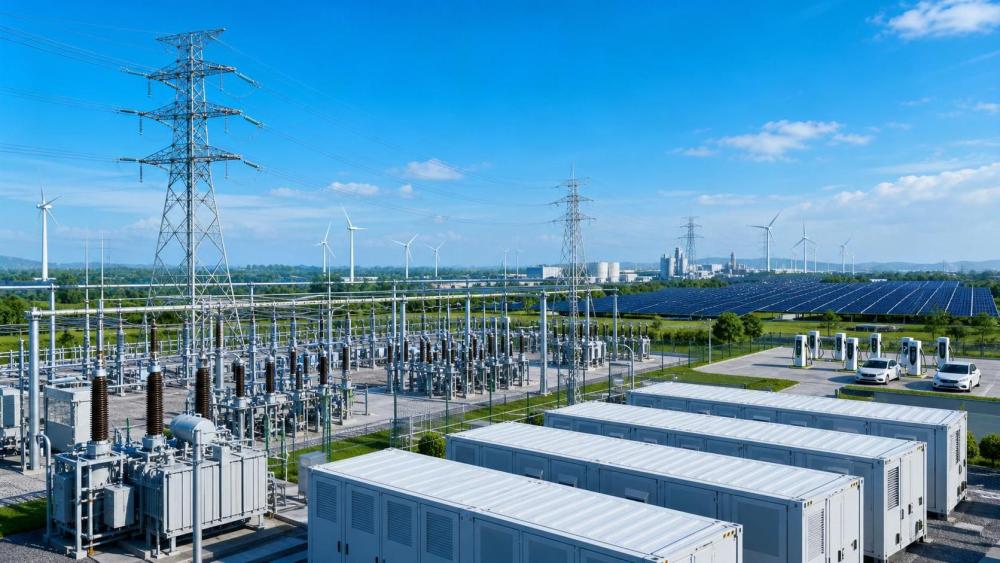
In 2026, energy storage innovations are shaping how power systems absorb volatility, protect margins, and keep operations stable under faster electrification.
What changed is not only technology maturity. The market now values flexibility as a bankable infrastructure capability, not a technical add-on.
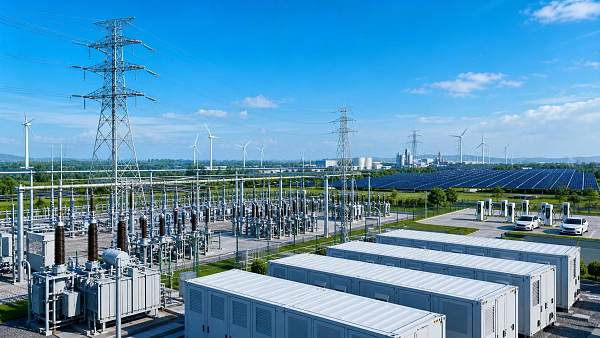
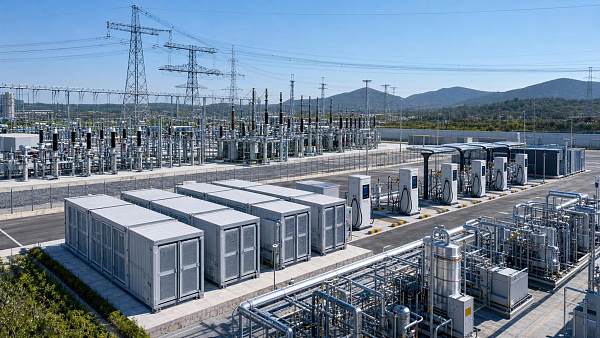
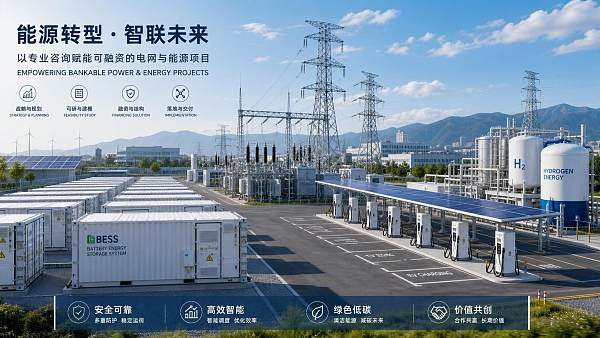
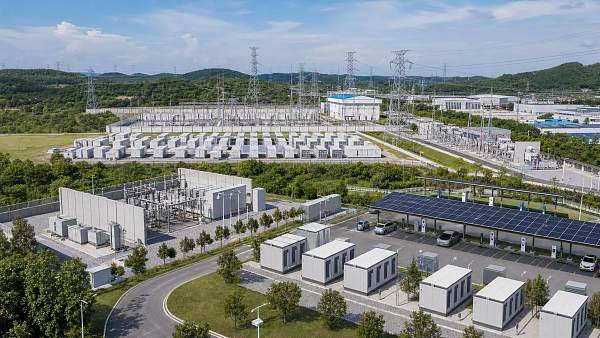
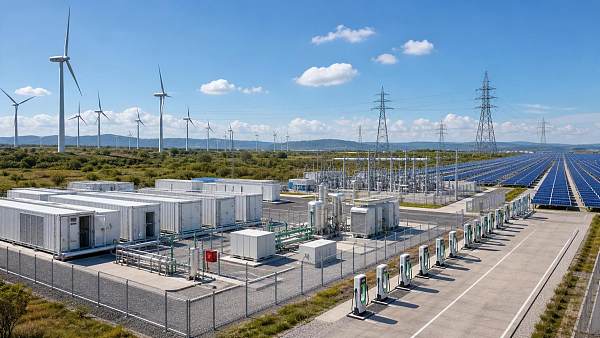
This shift is visible across grid-scale BESS, UHV transmission, VPP orchestration, EV charging hubs, and hydrogen-linked storage pathways.
The result is a more connected power architecture, where energy storage innovations support balancing, congestion relief, reserve capacity, and decarbonization at the same time.
For businesses tracking zero-carbon infrastructure, the question is no longer whether storage matters. The question is which form of flexibility creates durable value.
Why the signal became stronger this year
Several forces are converging. Renewable penetration is rising faster than many local grids were designed to handle.
At the same time, electricity demand is becoming less predictable. Data centers, electrified transport, and industrial heat are creating sharper intraday load swings.
That combination exposes a structural gap. Power generation may be cleaner, yet delivery and balancing remain more demanding.
This is where energy storage innovations are changing the conversation. They turn intermittency from a scheduling problem into a dispatchable asset opportunity.
More importantly, storage is no longer acting alone. It is being designed alongside transmission hardware, advanced power electronics, and software-driven control layers.
The strongest drivers behind the shift
- Higher renewable curtailment pushes operators to capture surplus solar and wind before value is lost.
- Ancillary service markets increasingly reward fast-response assets with measurable grid support.
- Thermal risk standards, including UL 9540A attention, make safety engineering a commercial differentiator.
- Falling control-system latency allows VPPs to coordinate distributed storage and charging assets in real time.
- Capital models are improving, with LCOS and capacity leasing now used more rigorously in project screening.
Grid flexibility is no longer a single-device story
One of the most important 2026 developments is architectural thinking. Flexibility now comes from system combinations rather than isolated equipment choices.
ESGS has been closely tracking this pattern across what it frames as the green power blood vessels and reservoirs of the modern grid.
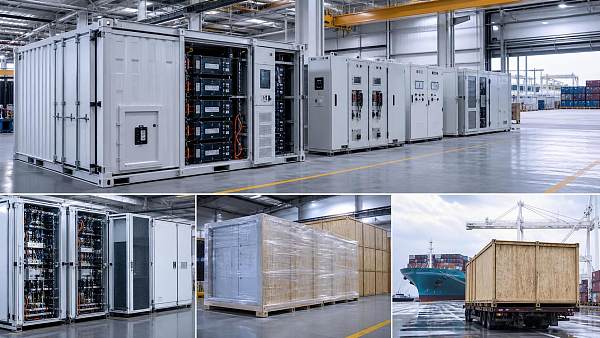
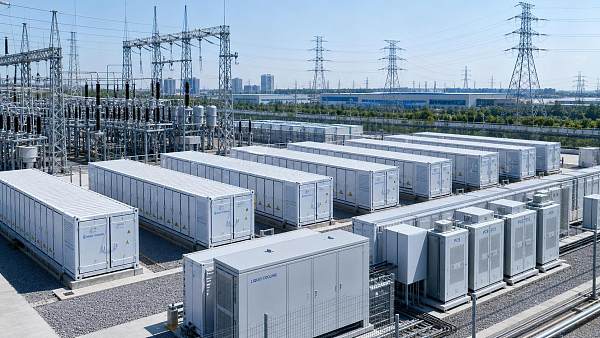
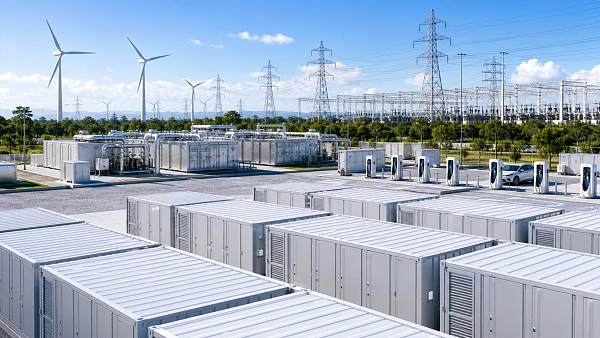
BESS containers remain the fastest way to time-shift power. Yet their value grows when paired with smarter routing, stronger interconnection, and better load visibility.
UHV transformers and HVDC equipment reduce distance friction. They move renewable electricity from resource-rich regions to demand-heavy industrial corridors.
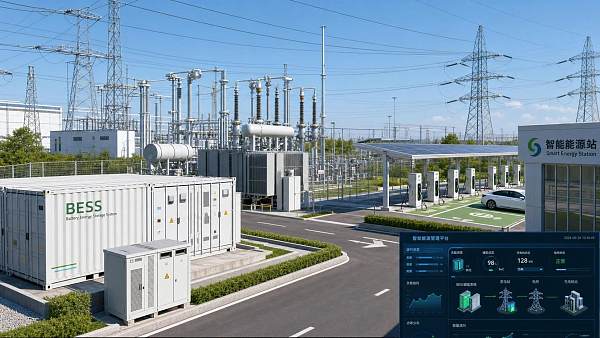
Meanwhile, EV charging and swapping sites are becoming active grid nodes. With V2G capability, mobility infrastructure starts to behave like distributed storage.
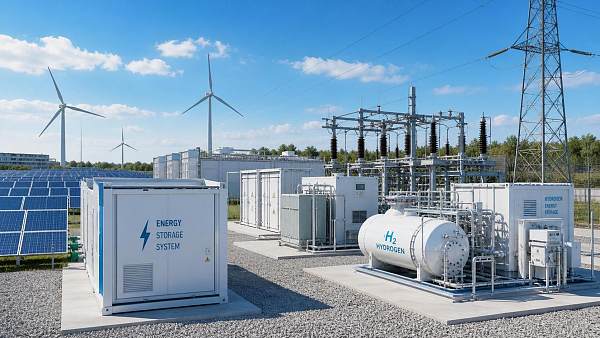
Hydrogen adds another layer. It is not a replacement for batteries, but a complementary route for longer-duration balancing and seasonal energy transfer.
Where different technologies are creating distinct value
The bigger impact is appearing in operations and finance
Energy storage innovations are often discussed as engineering upgrades, but the larger effect is operational and financial.
A flexible asset can arbitrage peak and valley prices. It can also protect uptime, defer grid upgrades, and improve contract reliability.
That makes storage decisions increasingly cross-functional. Engineering, compliance, treasury, and digital operations now influence the same investment logic.
From recent project behavior, the strongest performers are not always the cheapest assets. They are the ones with clear dispatch logic and credible safety boundaries.
This is also why analytics platforms such as ESGS are gaining relevance. The market needs stitched intelligence across hardware, standards, and monetization models.
Three implications now showing up in real deployment
- Safety design moves earlier in project planning, especially for exportable BESS systems and fire compliance review.
- Software value rises because millisecond-level coordination determines whether distributed assets behave like infrastructure or just hardware inventory.
- Revenue stacking becomes more selective, with project owners testing capacity payments, ancillary services, and resilience value together.
What deserves closer attention over the next planning cycle
The next phase of energy storage innovations will likely be decided less by headline capacity announcements and more by integration quality.
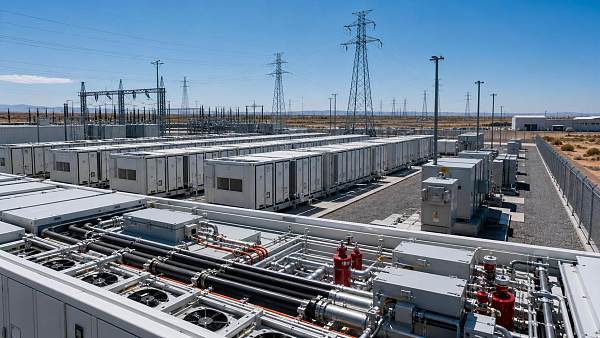
One priority is thermodynamic discipline inside high-density battery systems. Narrow cell temperature differences are becoming central to lifecycle economics.
Another is control architecture. VPP platforms that can coordinate chargers, C&I storage, and utility assets at speed will define practical flexibility.
Hydrogen should also be monitored with more nuance. Its value is strongest where long-duration storage, fuel substitution, or export logistics create strategic optionality.
In parallel, transmission capacity still matters. Storage cannot solve every congestion problem if power cannot move across regions efficiently.
Questions worth putting into current evaluation models
- Is the asset being valued only for arbitrage, or also for resilience, reserve, and deferred infrastructure spending?
- Are safety assumptions grounded in tested propagation behavior and local compliance requirements?
- Can the chosen control layer support future V2G, multi-site dispatch, and digital twin integration?
- Does the project depend on local grid conditions that may change once renewable penetration rises further?
A practical reading of where 2026 is heading
The most credible reading of 2026 is that energy storage innovations are becoming the operating language of flexible power systems.
That does not mean every project will succeed. It means underbuilt coordination, weak safety logic, and narrow revenue assumptions will be exposed more quickly.
The stronger position is to evaluate storage as part of a wider flexibility stack that includes transmission, software, charging infrastructure, and hydrogen pathways.
Near-term action should focus on three areas: compare dispatch models, track standard and compliance changes, and test which applications truly monetize volatility.
Those signals will say more than capacity headlines. They reveal where energy storage innovations are genuinely reshaping grid flexibility, and where they are merely being added to it.
Related News
 Energy Storage Innovations Reshaping Grid Flexibility in 2026Mr. Orion SterlingEnergy storage innovations are redefining grid flexibility in 2026, from BESS and VPPs to hydrogen and EV charging. Discover what drives resilience, safety, and smarter returns.
 Industrial Equipment Sourcing Information: How to Vet Suppliers and Hidden CostsMr. Orion SterlingIndustrial equipment sourcing information helps you vet suppliers, uncover hidden costs, and avoid risky low-price offers. Learn how to protect uptime, compliance, and project ROI.
 IEA Flags Power Grid and Storage as 2026 Investment PriorityMr. Orion SterlingIEA flags power grid and storage as the 2026 investment priority, highlighting rising demand for UHV equipment, liquid-cooled BESS, and PCS/EMS systems. Explore supply chain risks and market opportunities.
 Energy Intelligence: 5 Signals That Improve Grid Asset DecisionsMr. Orion SterlingEnergy intelligence reveals 5 high-impact signals for smarter grid asset decisions, helping teams improve safety, flexibility, and returns across storage, charging, transmission, and hydrogen systems.
 Grid Interconnection Delays: What Drives Cost and Risk?Mr. Orion SterlingGrid interconnection delays can drive redesign, upgrade costs, and revenue loss. Learn what raises risk for BESS, EV charging, and hydrogen projects—and how to plan ahead.
 Frequency Regulation Revenue: How to Evaluate Payback and Market RiskMr. Orion SterlingFrequency regulation revenue explained: learn how to evaluate payback, battery wear, pricing volatility, and market risk to make smarter storage investment decisions.
 How Energy Transition Consulting Shapes Bankable Grid ProjectsMr. Orion SterlingEnergy transition consulting helps turn complex grid assets into bankable projects by reducing risk, improving revenue visibility, and strengthening investor confidence.
 Zero-Carbon Grids: Key Cost Drivers and ROI in 2026Mr. Orion SterlingZero-carbon grids in 2026: uncover the real cost drivers, ROI levers, and hidden risks across BESS, UHV, hydrogen, and EV charging to make smarter, higher-return grid investments.
 LCOS Analysis for Grid-Scale Storage: Which Cost Inputs Matter Most?Mr. Orion SterlingLCOS analysis reveals which cost inputs truly shape grid-scale storage returns. Explore capex, degradation, efficiency, augmentation, and financing to make smarter BESS procurement decisions.
 Distributed Storage vs Centralized Systems: What Changes Grid Resilience?Mr. Orion SterlingDistributed storage vs centralized systems: discover how distributed storage improves grid resilience, speeds outage recovery, reduces local congestion, and supports smarter energy strategy.
 How Renewable Integration Impacts Curtailment, Stability, and ROIMr. Orion SterlingRenewable integration shapes curtailment, grid stability, and ROI. Discover how storage, transmission, hydrogen, and smart controls can reduce losses and improve project returns.
 Renewable Energy Reservoirs: Benefits, Limits, and Grid ValueMr. Orion SterlingRenewable energy reservoirs explained: discover their benefits, limits, and real grid value across batteries, hydrogen, EV fleets, and pumped hydro for smarter energy planning.