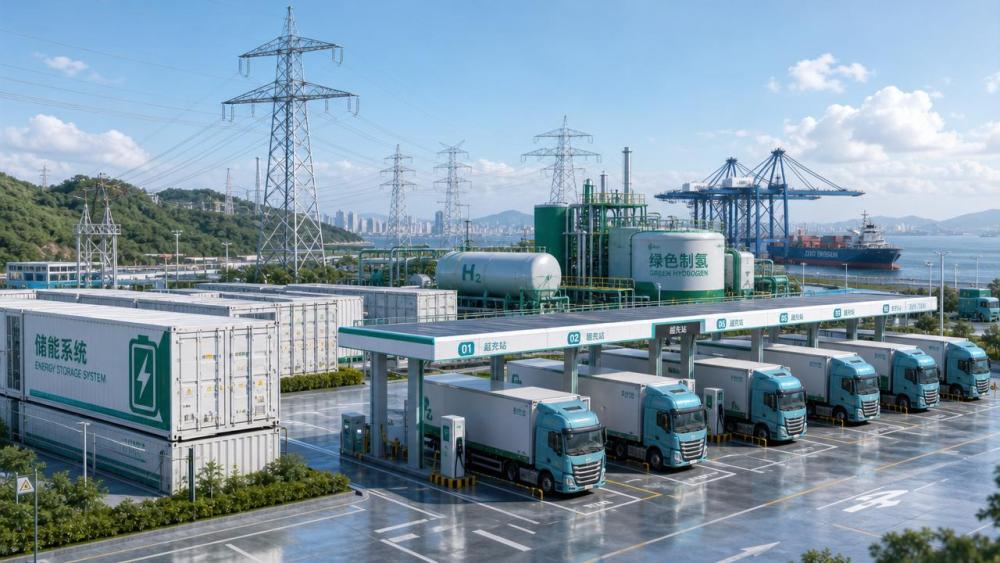
Carbon-neutral transport is moving from ambition to bankable infrastructure, but only a few pathways can scale with speed, resilience, and measurable returns. The strongest programs do not treat vehicles, fuels, and charging as isolated assets. They connect storage, ultra-high-voltage transmission, hydrogen production, smart charging, and grid intelligence into one operating system for mobility.
That is why carbon-neutral transport now depends on infrastructure stitching. Clean electrons must travel long distances, arrive at the right time, remain stable under heavy demand, and convert into useful mobility services with predictable economics. The faster these links are built, the faster decarbonized logistics, fleets, ports, and corridors can scale.
Why a checklist matters for carbon-neutral transport decisions
Many transport decarbonization projects look strong on paper, yet stall during interconnection, thermal management, utilization planning, or compliance review. A checklist approach reduces those blind spots. It forces every pathway to prove technical readiness, grid compatibility, safety, and return on capital before expansion begins.
For carbon-neutral transport, the right question is not only “Is it zero emission?” The better question is “Can it scale across geography, duty cycle, and grid stress without destroying uptime or economics?” The five paths below answer that question more consistently than fragmented pilot projects.
5 paths that scale faster
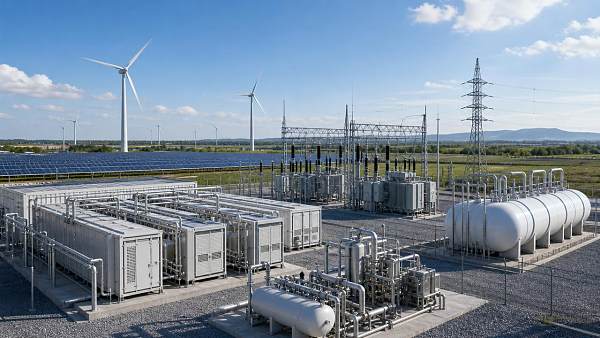
- Deploy grid-scale BESS near transport loads to shave peaks, buffer fast charging, and convert volatile renewable output into dispatchable power for reliable carbon-neutral transport operations.
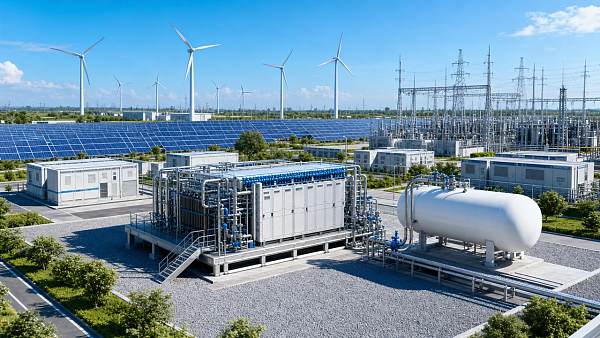
- Extend UHV and HVDC transmission corridors to move remote solar and wind power toward industrial freight routes, ports, and urban charging clusters with lower line losses.
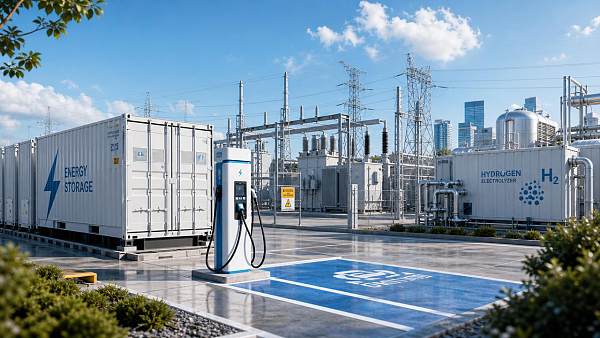
- Build 800V liquid-cooled charging and automated swapping hubs where vehicle dwell time, route density, and transformer capacity support high asset utilization and flexible expansion.
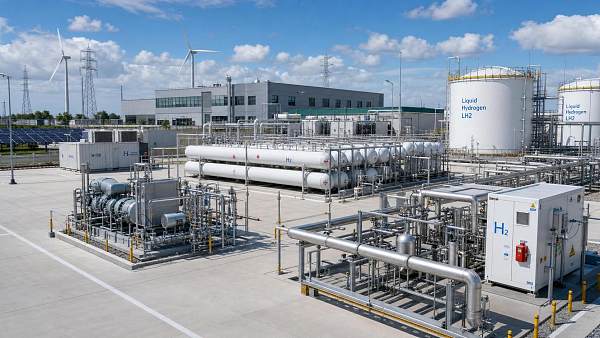
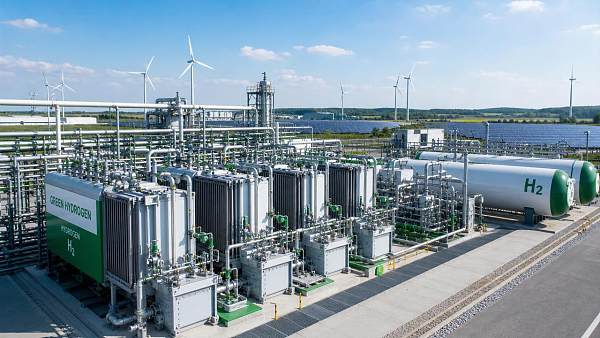
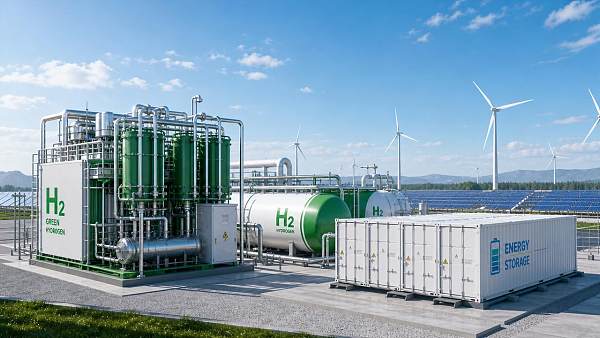
- Convert curtailed renewable electricity into green hydrogen through PEM or ALK electrolyzers for heavy-duty, maritime, and long-duration carbon-neutral transport segments.
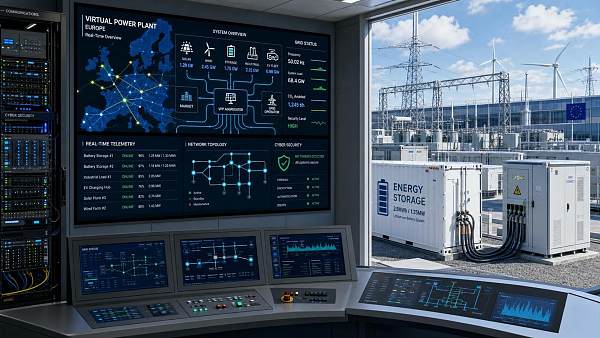
- Orchestrate chargers, storage, substations, and fleet demand through VPP software and grid intelligence so power flow, tariff response, and uptime improve in real time.
1. Grid-scale storage turns charging demand into a manageable load
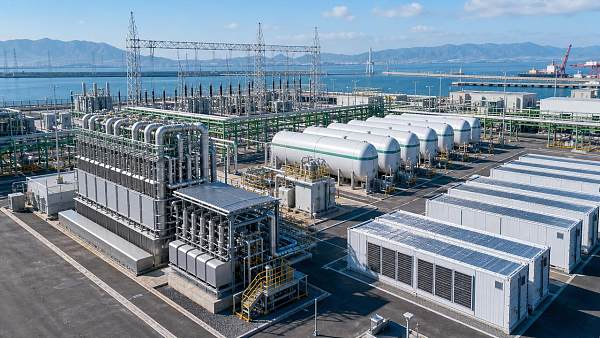
BESS containers are often the first scaling lever for carbon-neutral transport. They absorb excess renewable generation, discharge during evening peaks, and reduce transformer overload during fast-charging surges. This makes charging depots and public hubs easier to connect and cheaper to operate.
The technical detail matters. Advanced liquid cooling keeps large cell populations within narrow temperature bands, lowering degradation and reducing thermal runaway risk. For transport infrastructure, storage works best when paired with PCS sizing, fire safety design, and tariff strategies such as peak-valley arbitrage or demand charge reduction.
2. UHV transmission unlocks clean power at mobility scale
Carbon-neutral transport cannot rely only on local generation. Freight corridors, industrial parks, and megaports require power volumes that often exceed nearby renewable supply. UHV transformers and HVDC systems move desert solar and offshore wind power across long distances with lower thermal losses.
This pathway scales faster because it solves spatial mismatch. It connects the best renewable resources to the largest mobility loads. In practical terms, strong transmission determines whether electrified trucking lanes, e-bus depots, or charging megasites receive stable power or face curtailment and congestion.
3. Smart charging hubs create operational speed, not just plugs
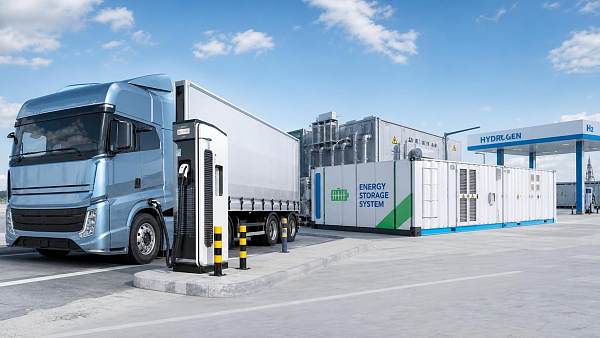
Fast growth in carbon-neutral transport depends on charging architecture, not charger count alone. 800V liquid-cooled supercharging cuts turnaround time dramatically, while automated battery swapping supports high-throughput fleets with predictable schedules. Both models improve availability when paired with local storage and robust distribution equipment.
The most scalable hubs also support V2G. Bidirectional charging allows parked vehicles to provide flexible capacity back to the grid. That turns transport assets into energy assets, improving utilization and supporting frequency regulation during high-demand periods.
4. Green hydrogen covers the hard-to-electrify edge
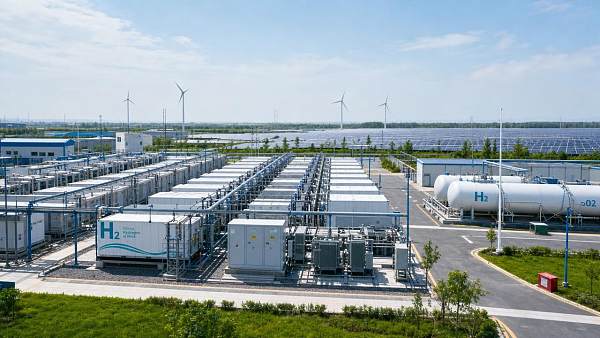
Battery-electric solutions will dominate many short and medium routes, but carbon-neutral transport also includes heavy-duty, high-load, and long-duration applications. Hydrogen electrolyzers convert surplus renewable electricity into storable fuel, extending decarbonization beyond battery range and charging constraints.
PEM systems respond quickly to variable power, while ALK systems can support cost-focused, steady production. The scalable use cases include port equipment, mining haul routes, long-haul freight, and maritime support. Hydrogen also stores energy seasonally, giving transport systems more resilience when renewable profiles shift.
5. Grid intelligence makes the whole stack bankable
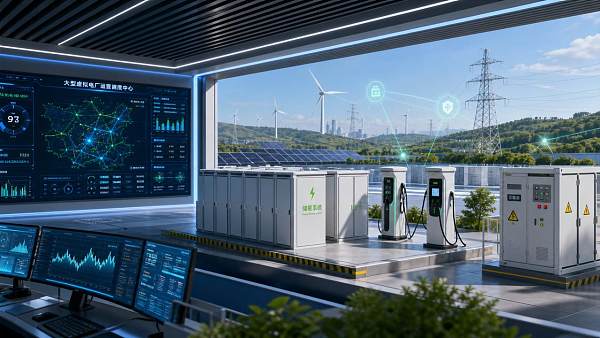
The final path is digital, but it governs all the others. Carbon-neutral transport scales faster when dispatch software coordinates chargers, storage cabinets, substations, and tariff windows in milliseconds. Virtual Power Plant logic helps operators balance grid stability with fleet uptime.
This is where strategic intelligence becomes practical value. Thermal event modeling, LCOS analysis, interconnection mapping, and dynamic load forecasting help decide which assets deserve expansion first. Without this layer, infrastructure can be overbuilt, underutilized, or exposed to avoidable compliance risk.
Scenario notes: where these pathways fit best
Urban bus and municipal fleets
Urban fleets benefit most from BESS-backed depot charging, smart load scheduling, and V2G participation. Their fixed routes and overnight parking windows create ideal conditions for carbon-neutral transport with strong tariff optimization.
Where local grid capacity is tight, pairing depot chargers with storage often beats waiting for full feeder upgrades. The result is faster deployment and better resilience during summer peak periods.
Highway freight and logistics corridors
Long-distance freight needs a corridor view. UHV-fed charging plazas, megawatt charging, and selective hydrogen refueling can work together, depending on route length and payload intensity. Carbon-neutral transport succeeds here when infrastructure follows traffic density instead of political boundaries.
The strongest sites are usually near interchanges, logistics parks, and substations with expansion headroom. Co-locating storage reduces peak connection pressure and improves service continuity.
Ports, industrial zones, and energy islands
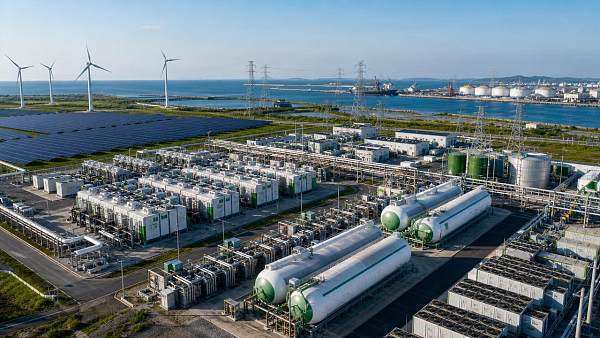
Ports and industrial clusters are ideal for hybrid models. They can combine shore power, heavy charging, on-site storage, and hydrogen production. Carbon-neutral transport in these zones often benefits from behind-the-meter optimization and direct renewable integration.
Because these sites handle concentrated loads, smart switchgear, fault isolation, and digital twins become essential. Reliability standards must be closer to utility practice than consumer charging practice.
Commonly missed risks
Ignore thermal safety, and a storage-supported charging site can become an insurance and compliance problem. UL 9540A-style thermal propagation understanding is not optional where high-density batteries operate near public or industrial assets.
Underestimate interconnection timelines, and the carbon-neutral transport rollout may miss revenue windows. Utility studies, protection design, and switchgear lead times often move slower than vehicle deployment plans.
Chase headline power ratings without utilization modeling, and assets can sit idle. Charger throughput, fleet schedules, storage cycling, and hydrogen offtake must all be tested against real operating profiles.
Treat energy systems separately, and hidden costs rise. Storage, transmission access, charging strategy, and software dispatch must be evaluated as one stack, not as disconnected capital items.
Practical execution steps
- Map load profiles first, including dwell time, route density, and seasonal peaks, before choosing between direct charging, swapping, hydrogen, or hybrid carbon-neutral transport infrastructure.
- Screen grid access early by checking substation headroom, feeder constraints, and transmission proximity, then compare storage-backed deployment against traditional upgrade timelines.
- Model economics with LCOS, utilization, and tariff sensitivity, not equipment CAPEX alone, so carbon-neutral transport decisions reflect lifetime operating value.
- Validate safety and compliance pathways in parallel with engineering design, especially for BESS fire performance, switchgear protection, and hydrogen handling standards.
- Integrate dispatch software from day one so charging, storage, and renewable inputs can respond to price signals and grid events automatically.
Conclusion and next action
Carbon-neutral transport scales fastest when five paths reinforce each other: storage to buffer volatility, UHV transmission to move clean power, smart charging to serve vehicles efficiently, hydrogen to cover hard-duty segments, and grid intelligence to coordinate everything.
The next step is simple: assess every planned mobility asset against these five pathways, then rank projects by grid readiness, safety maturity, utilization, and energy flexibility. That turns carbon-neutral transport from a vision statement into investable infrastructure with durable operational value.
Related News
 Hydrogen Energy Infrastructure Storage Systems: Key Design Risks and Trade-OffsProf. Kaelen VossHydrogen energy infrastructure storage systems face critical trade-offs in safety, efficiency, cost, and compliance. Explore key design risks and smarter evaluation strategies.
 EU Issues EN 50641-3 for VPP Grid AccessProf. Kaelen VossEN 50641-3 reshapes EU VPP grid access with new rules on telemetry, cybersecurity, and interoperability. See what VPP operators, EMS vendors, and storage integrators must prepare now.
 Carbon-Neutral Transport: What Is Changing in Fleet Planning in 2026Prof. Kaelen VossCarbon-neutral transport in 2026 is reshaping fleet planning around grid capacity, charging, storage, and risk. Discover the key shifts driving smarter, scalable fleet decisions.
 Hydrogen Energy Infrastructure Risks in Early-Stage ProjectsProf. Kaelen VossHydrogen energy infrastructure risks can derail early-stage projects fast. Learn how grid, electrolyzer, safety, storage, and transport factors shape bankability, compliance, and returns.
 Hydrogen Fuel Production Cost Breakdown for 2026 PlanningProf. Kaelen VossHydrogen fuel production cost breakdown for 2026 planning: compare electricity, electrolyzer CAPEX, storage, transport, and financing to make smarter, bankable project decisions.
 Power-to-X Hydrogen Production: When Does the Business Case Work?Prof. Kaelen VossPower-to-X hydrogen production works when cheap clean power, high electrolyzer utilization, reliable offtake, and smart logistics align. Explore what makes projects bankable.
 VPP Technology Trends Reshaping Distributed Energy in 2026Prof. Kaelen VossVPP technology is reshaping distributed energy in 2026, linking BESS, EV charging, grids, and hydrogen loads to unlock flexible, bankable revenue and smarter power control.
 Hydrogen Electrolyzers in VPPs: Flexibility Value and LimitsProf. Kaelen VossHydrogen electrolyzers in VPPs can unlock renewable flexibility, grid balancing, and Power-to-X revenue—if dispatch limits, storage, pricing, and offtake risks are managed.
 VPP Technology Risks: What to Check Before Scaling AggregationProf. Kaelen VossVPP technology risks can derail aggregation at scale. Learn what to check on interoperability, dispatch accuracy, cybersecurity, and asset health before expanding.
 Green Hydrogen Production Costs in 2026: What Changes Most?Prof. Kaelen VossGreen hydrogen production costs in 2026 will shift most through power profiles, utilization, and financing. Explore the four scenarios changing project economics fastest.
 Hydrogen Energy Infrastructure Risks and Readiness in 2026Prof. Kaelen VossHydrogen energy infrastructure in 2026 faces critical tests in safety, grid integration, supply chains, and ROI. Explore key risks, readiness signals, and smart investment choices.
 Hydrogen Fuel Production: Key Cost Drivers in 2026 ProjectsProf. Kaelen VossHydrogen fuel production in 2026 depends on power cost, CAPEX, utilization, water, and logistics. Explore the key cost drivers shaping bankable, competitive projects.