Power flow control systems hardware has moved to the center of grid performance. It now shapes how quickly networks react to disturbances, absorb renewable volatility, and maintain stable delivery across increasingly complex power paths.
That shift matters across the broader energy landscape. Grid-scale storage, UHV transmission, fast EV charging, and hydrogen production all depend on precise control of voltage, frequency, current, and directional flow.
In that context, hardware is not just a physical layer under software commands. It is the operational boundary between a flexible grid and one that becomes unstable under fast-changing demand and supply conditions.
What the hardware really includes
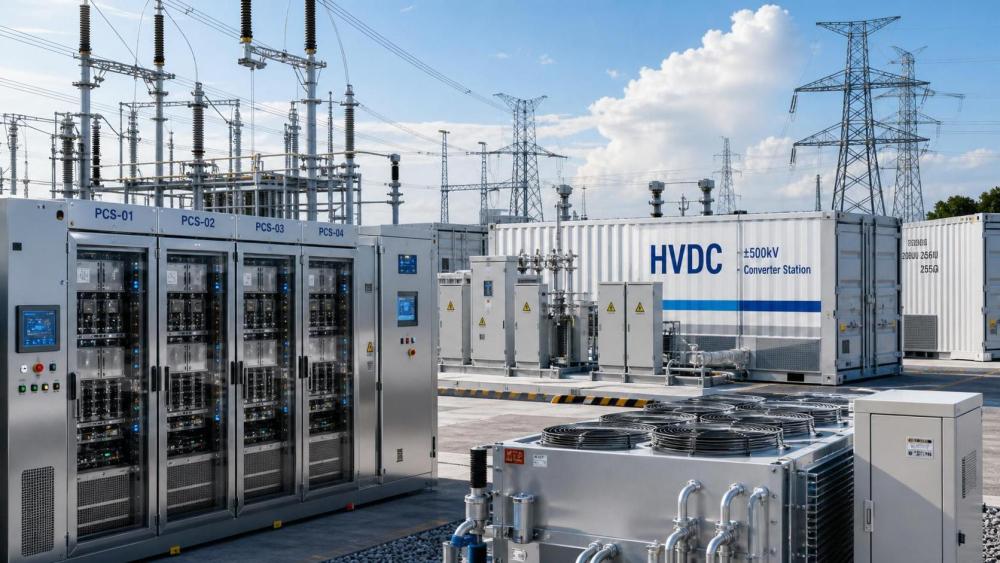
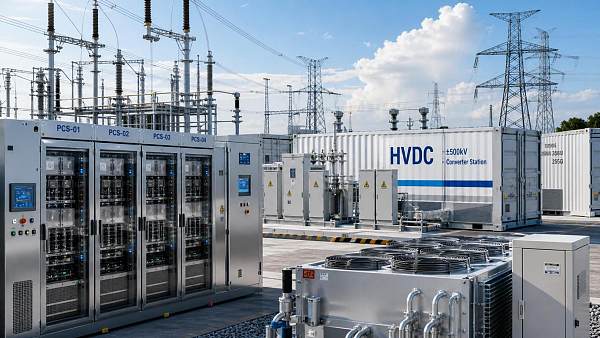
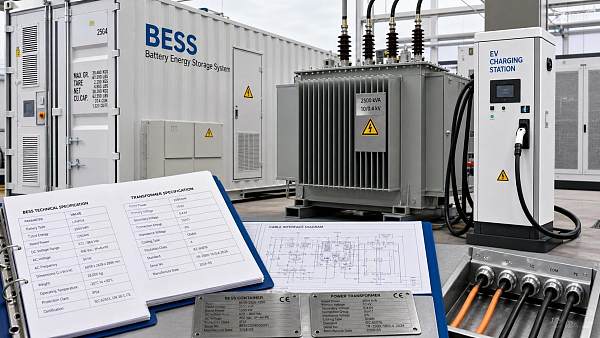
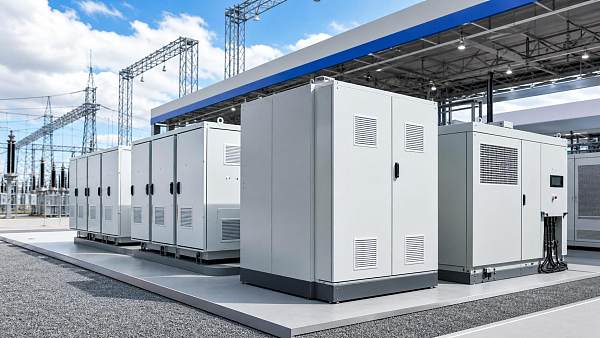
A useful view is to treat power flow control systems hardware as a coordinated equipment set. It usually includes converters, power electronics, switchgear, sensors, protection relays, transformers, communication interfaces, and thermal management assemblies.
Some assets operate at substation scale. Others sit inside BESS containers, HVDC stations, flexible AC transmission systems, or high-power charging hubs. Their common task is simple to describe and difficult to execute: move electricity where it should go, when it should go, without creating instability elsewhere.
This is why the phrase power flow control systems hardware covers more than one device type. It refers to the physical control backbone that turns dispatch intent into real electrical behavior.
Why grid stability now depends on faster physical control
Traditional grids were built around predictable generation and slower load changes. That model is weakening. Solar ramps, offshore wind swings, charging clusters, and bidirectional energy assets create faster operating transitions.
Under these conditions, software alone cannot hold the system together. Grid stability increasingly depends on how fast hardware can sense deviations, isolate faults, inject or absorb reactive power, and redirect active power.
Millisecond-level response is especially important where storage and charging infrastructure interact with transmission networks. A delay that looks small in a control room can become large enough to trigger voltage dips, frequency excursions, or cascading trips.
This is one reason ESGS tracks both battery thermodynamic management and grid power routing. Fast control only works when electrical, thermal, and protection design are aligned.
How power flow control systems hardware improves stability in practice
The first contribution is dynamic balancing. High-speed converters and compensators can smooth sudden mismatches between generation and load before they spread across wider network sections.
The second is fault containment. Modern switchgear, relays, and breaker systems cut off abnormal current paths quickly enough to prevent local events from becoming regional disturbances.
The third is congestion management. Where transmission corridors are heavily loaded, power flow control systems hardware helps reroute energy and reduce stress on critical lines, transformers, and bus sections.
The fourth is voltage support. Reactive power devices and advanced converter controls keep voltage within a workable range, especially near renewable plants, storage stations, and weak-grid charging locations.
The fifth is oscillation damping. In long-distance transmission, including UHV and HVDC-linked systems, the right hardware reduces unstable interactions between distant generation sources and load centers.
Key stability functions and the hardware behind them
Where the pressure is coming from
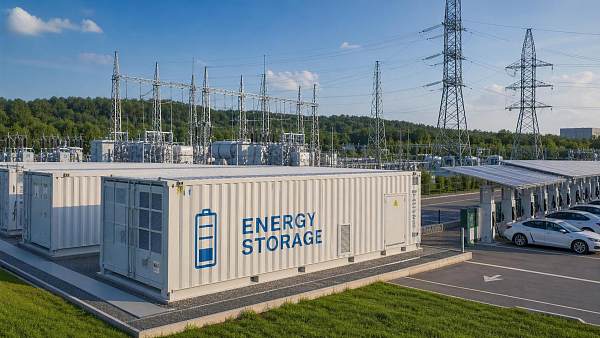
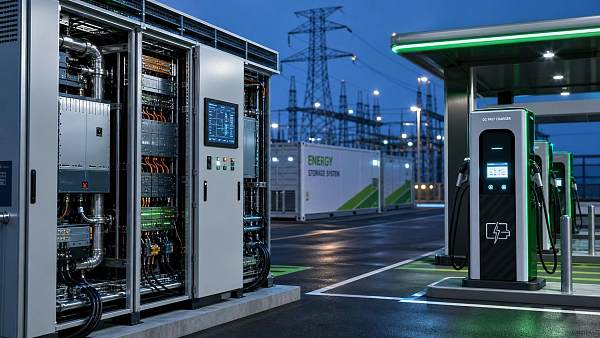
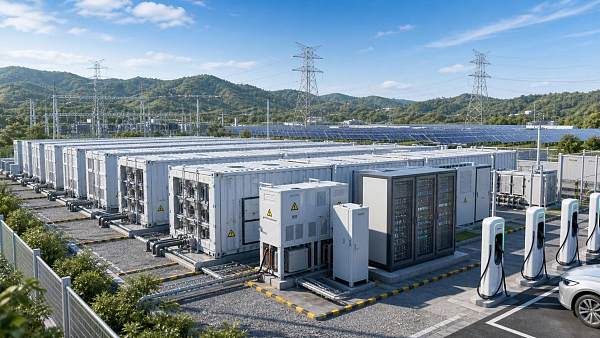
The most visible pressure point is grid-scale storage. BESS sites can switch from charging to discharging in very short intervals. That flexibility is valuable, but only if the hardware can coordinate conversion, protection, and thermal control without drift or delay.
Another pressure point is UHV transmission. Moving renewable energy across thousands of kilometers requires hardware that can maintain stable transfer under changing line conditions and electromagnetic stress.
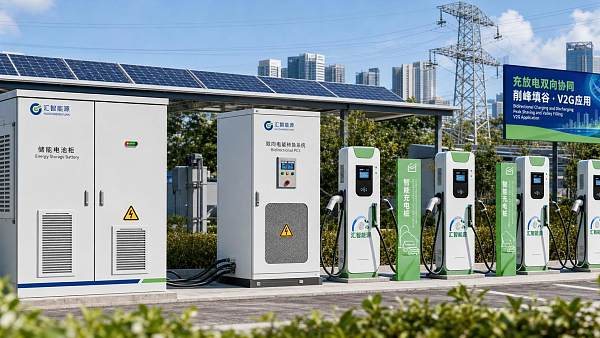
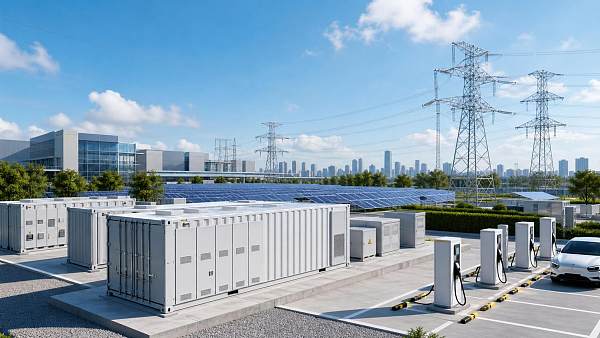
EV charging adds a different pattern. Ultra-fast charging clusters create steep, localized demand spikes. If V2G is introduced, those same sites can become distributed grid resources, which raises the control complexity again.
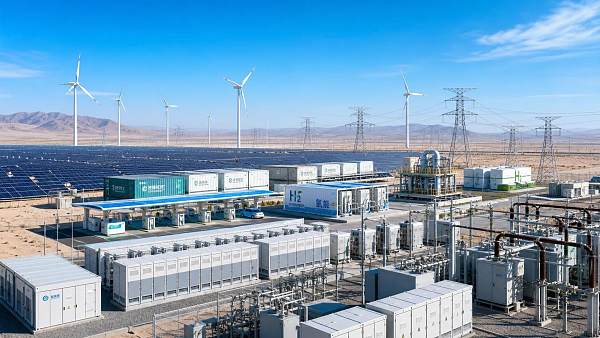
Hydrogen electrolyzers also matter. They can act as flexible industrial loads, but they need dependable power flow control systems hardware to follow dispatch signals without harming upstream stability or equipment health.
These domains are exactly where ESGS places its attention. They are different asset classes, yet all rely on the same principle: stability is achieved by tightly managed energy movement, not by generation capacity alone.
What separates robust hardware from acceptable hardware
Nameplate ratings are only a starting point. In real evaluation work, robustness is defined by response speed, fault tolerance, thermal resilience, interoperability, and the quality of control under non-ideal conditions.
A fast controller means little if switching hardware overheats. Strong converter performance means less if protection logic trips too aggressively during transient events. The whole chain has to work as one system.
For that reason, power flow control systems hardware should be reviewed through operating scenarios rather than component brochures. Night peak discharge, line faults, black-start support, weak-grid charging, and curtailed renewable recovery reveal very different strengths and risks.
Useful evaluation points
- Transient response time under rapid load or generation change.
- Coordination between converters, relays, switchgear, and supervisory control.
- Thermal behavior during sustained cycling or repeated peak events.
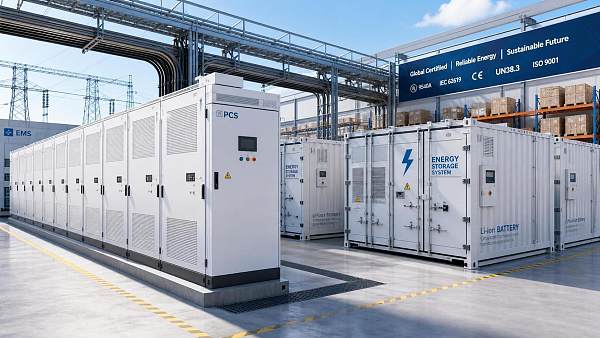
- Compatibility with BESS PCS, HVDC interfaces, and grid codes.
- Cyber-physical resilience of communication and command layers.
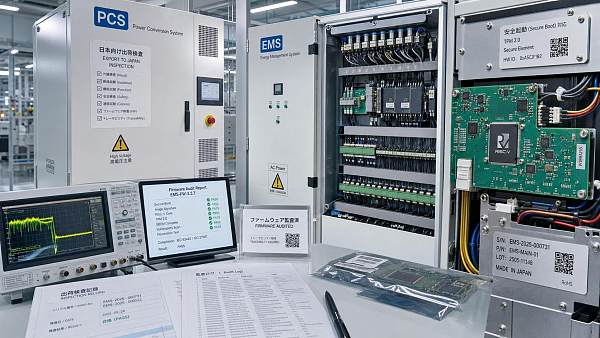
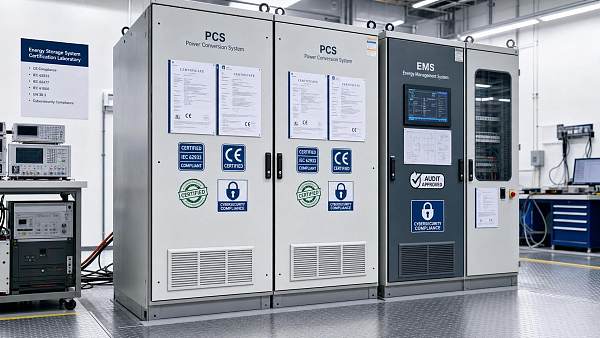
- Compliance evidence tied to safety and export requirements.
Why thermal and protection design cannot be separated
In many projects, electrical control receives the attention while thermal and safety architecture are treated as secondary. That is a mistake, especially in high-density storage and power conversion environments.
When temperatures drift, semiconductor performance changes, switching losses rise, and protection behavior can become less predictable. In extreme cases, instability begins as a thermal management problem before it appears as an electrical event.
The same logic applies to fault response. Standards, fire propagation testing, and enclosure design are not separate compliance paperwork. They influence whether power flow control systems hardware can remain available, isolated, and recoverable after abnormal events.
This is especially relevant for BESS containers, where liquid cooling precision and fault isolation design directly affect whether dispatch performance remains usable under stress.
How to apply the topic in real project decisions
A practical starting point is to define the grid problem before comparing equipment. Some sites need congestion relief. Others need frequency support, black-start capacity, renewable smoothing, or charging cluster stabilization.
Once the operating target is clear, hardware selection becomes more disciplined. The evaluation can focus on control speed, duty cycle, fault clearing behavior, thermal envelope, and integration cost rather than general claims.
It also helps to separate steady-state value from disturbance value. A system may look efficient during normal operation yet underperform during the exact events that threaten grid stability.
Digital twins and event playback can strengthen this process. They allow teams to test how power flow control systems hardware behaves when storage ramps hard, transmission paths constrain, or thousands of chargers respond at once.
A grounded next step
The most useful next move is to build a comparison framework tied to operating risk. Include electrical response, protection coordination, thermal limits, compliance evidence, and dispatch compatibility in the same review structure.
That approach makes the subject more concrete. It also aligns with the way ESGS reads the market: as an interconnected system where storage, transmission, charging, and hydrogen infrastructure rise or fail on hardware-level control quality.
Grid stability is no longer protected by reserve margin alone. It is increasingly secured by how well power flow control systems hardware performs when networks become faster, denser, and less forgiving.
Related News
 How Power Flow Control Systems Hardware Improves Grid StabilityGrid Storage ArchitectPower flow control systems hardware improves grid stability with faster fault response, voltage control, and renewable balancing. See how it supports BESS, EV charging, HVDC, and resilient power networks.
 How to Use an Energy Equipment Specification Format Without Missing Critical DataGrid Storage ArchitectEnergy equipment specification format guide: learn how to capture critical technical, compliance, and lifecycle data, reduce vendor gaps, and improve project delivery with a practical checklist.
 How Power Flow Algorithms for Grids Improve Stability and Dispatch AccuracyGrid Storage ArchitectPower flow algorithms for grids improve stability, congestion visibility, and dispatch accuracy across BESS, UHV, EV, and hydrogen networks—see how smarter modeling boosts grid decisions.
 FERC Order 2222 Lifts PCS and EMS OrdersGrid Storage ArchitectFERC Order 2222 lifts PCS and EMS orders as certified-unit lead times stretch to 26 weeks. Discover what this means for procurement, compliance, and market-ready delivery.
 When a Bidirectional Power Conversion System Pays OffGrid Storage ArchitectPower conversion system bidirectional designs pay off when arbitrage, demand shaving, grid services, and resilience stack together. Learn when the ROI is strong.
 Japan JIS C 8715-2:2026 Adds RISC-V Firmware Audit RulesGrid Storage ArchitectJapan JIS C 8715-2:2026 adds RISC-V firmware audit rules for PCS and EMS exports to Japan. Learn the new requirements for traceability, PMP, and secure boot compliance.
 TUV Rheinland Tightens PCS and EMS Cybersecurity TemplateGrid Storage ArchitectTUV Rheinland tightens PCS and EMS cybersecurity certification with a new IEC 62443-4-2:2026 SDL audit. Learn how this update may affect Germany and Europe energy storage exports, compliance timing, and certification readiness.
 Power Flow Control Systems: Key Selection FactorsGrid Storage ArchitectPower flow control systems are critical for BESS, EV charging, and grid stability. Discover the key selection factors that improve performance, reliability, and lifecycle value.
 Kehua Releases Grid-Forming Storage PaperGrid Storage ArchitectKehua Releases Grid-Forming Storage Paper, outlining grid-forming PCS functions, weak-grid delivery impact, and compliance signals shaping bids, testing, and project acceptance.
 Technical Comparison Resources for PCS and EMS Selection in BESS ProjectsGrid Storage ArchitectTechnical comparison resources for PCS and EMS selection in BESS projects: compare control logic, thermal safety, grid compliance, and lifecycle value to choose smarter, bankable storage solutions.
 Grid Dispatch Intelligence in Renewable Peak-Shaving ApplicationsGrid Storage ArchitectGrid dispatch intelligence drives smarter renewable peak-shaving by coordinating storage, transmission, EV charging, and hydrogen loads to cut curtailment, protect assets, and boost grid value.
 Can Smart Grid Neural Networks Improve EMS Forecast Accuracy?Grid Storage ArchitectSmart grid neural networks can improve EMS forecast accuracy by refining dispatch, storage timing, and grid response. See where real operational gains and ROI appear.