Renewable energy reservoirs are moving from niche infrastructure to a practical test of grid strategy, capital discipline, and long-term resilience. In simple terms, they capture surplus electricity or convert it into storable energy, then release value when demand, prices, or reliability needs change. That makes them highly relevant wherever solar, wind, electrified transport, and industrial decarbonization are expanding faster than traditional grid flexibility.
What renewable energy reservoirs really include
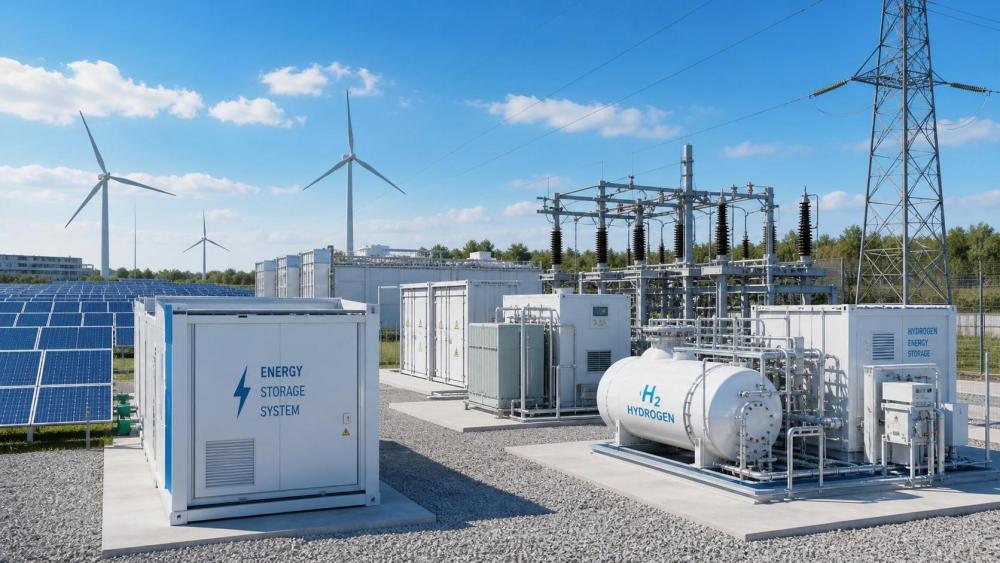
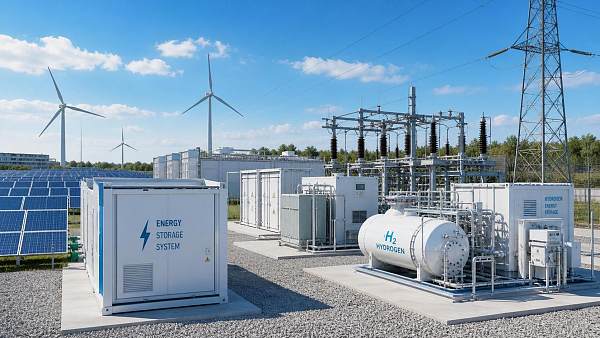
The phrase often sounds abstract, but renewable energy reservoirs are not limited to one asset class. They include grid-scale batteries, pumped hydro, hydrogen production linked to electrolysis, thermal storage, and even distributed EV batteries when managed through V2G platforms.
Their common role is straightforward. They absorb variable clean power when generation is abundant, then shift that energy across hours, days, or longer periods. In that sense, they act as the balancing reservoirs of modern power systems.
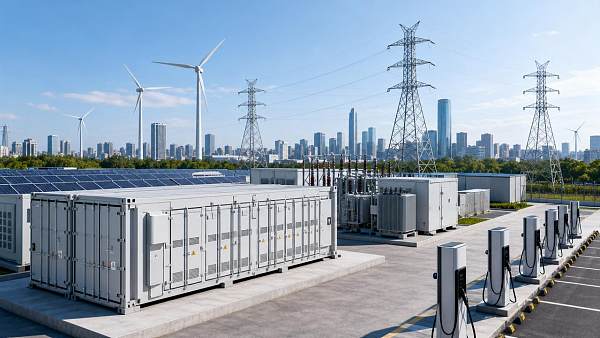
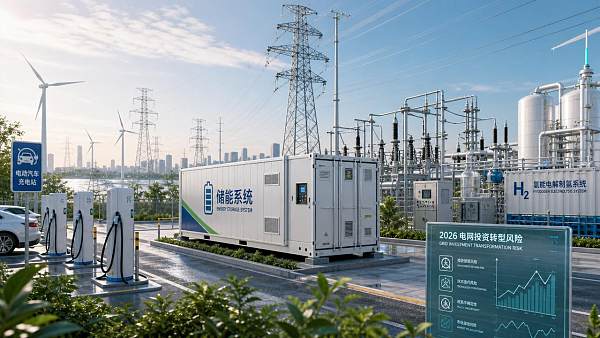
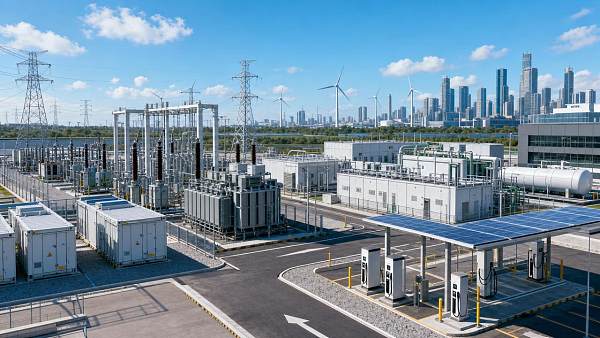
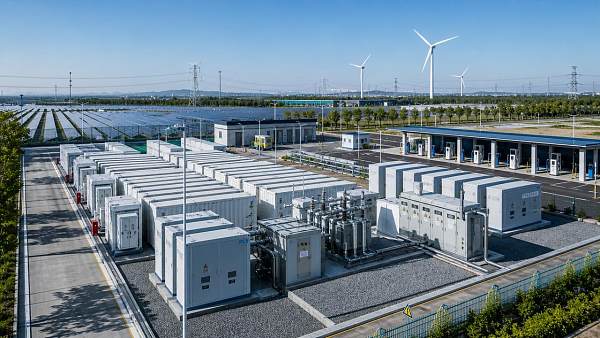
For a platform such as ESGS, this is not only about storage chemistry. It is also about the surrounding equipment that lets stored energy travel safely and profitably, from BESS containers and smart T&D equipment to UHV transformers, charging hubs, and hydrogen electrolyzers.
Why the market is paying closer attention
The current energy transition is creating two linked problems. Clean generation is intermittent, and it is often produced far from where electricity is consumed. Renewable energy reservoirs matter because they address both timing mismatch and spatial mismatch.
During midday solar peaks or high-wind periods, grids can face curtailment, congestion, and falling power prices. Later, those same systems can face evening peaks, transmission stress, and reserve shortages. Reservoir assets help move energy from low-value moments to high-value moments.
That shift has become more valuable as electrification accelerates. Fast-charging corridors, industrial electrification, data centers, and hydrogen production all increase the need for controllable power. The question is no longer whether storage is useful. The question is which reservoir type fits which duty cycle.
Benefits that translate into business value
The strongest case for renewable energy reservoirs is not a single revenue stream. It is stacked value. A well-positioned asset can support energy arbitrage, capacity value, ancillary services, grid deferral, resilience, and renewable integration at the same time.
Where value usually appears
- Peak shaving and time shifting, especially where solar output and evening demand diverge.
- Frequency regulation and fast response, where millisecond-level control creates premium grid value.
- Transmission and distribution relief, reducing overload risk or delaying expensive upgrades.
- Backup resilience for critical loads, including charging depots, ports, campuses, and industrial sites.
- Conversion of curtailed power into hydrogen or other energy carriers for longer storage windows.
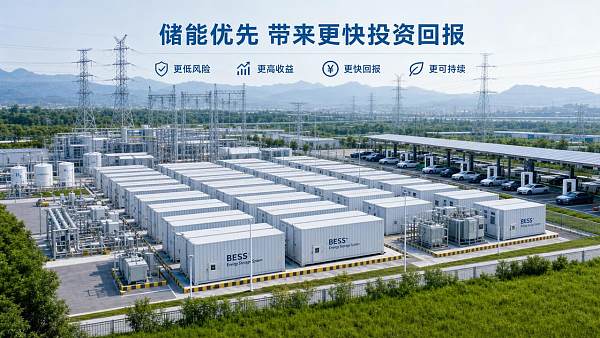
This is where ESGS’s broader lens matters. A battery container may be the visible reservoir, but its true value depends on thermal safety, PCS quality, switchgear response, dispatch software, and the network’s ability to route power without bottlenecks.
Limits that should shape investment judgment
Not all renewable energy reservoirs solve the same problem, and that is where many evaluations go wrong. A four-hour lithium BESS can be excellent for daily balancing, but weak for seasonal shifting. Hydrogen can store energy longer, yet round-trip efficiency is much lower.
There are also physical and commercial constraints that deserve close attention. Thermal management, degradation, fire compliance, interconnection delays, land use, water constraints, and market rule uncertainty can all change project value.
In battery systems, details matter more than headline capacity. ESGS often highlights this through liquid cooling performance, cell temperature uniformity, and UL 9540A implications. A reservoir that performs well on paper but fails safety or cycling expectations can lose both dispatch value and financing confidence.
A practical comparison
How grid value is created beyond storage alone
A reservoir becomes economically meaningful when it can interact with the grid at the right speed, scale, and location. That depends on the broader system architecture, not just on stored megawatt-hours.
For example, UHV transformers and HVDC corridors can move remote renewable power toward demand centers, while renewable energy reservoirs handle local timing imbalances. Smart switchgear and control systems keep fault isolation, routing, and dispatch stable under stress.
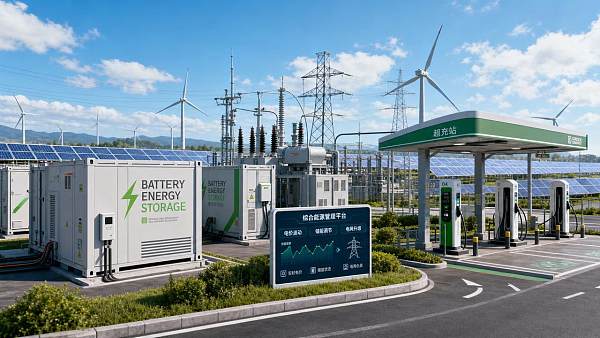
This is also why VPP logic matters. Distributed storage cabinets, EV charging hubs, and flexible industrial loads can function as a coordinated reservoir layer. When orchestrated well, they add frequency support and demand response without building every asset from scratch.
Typical scenarios where the concept becomes concrete
In practice, renewable energy reservoirs show up in very different forms depending on the business case. Looking at the use case first usually leads to better decisions than starting with technology preference.
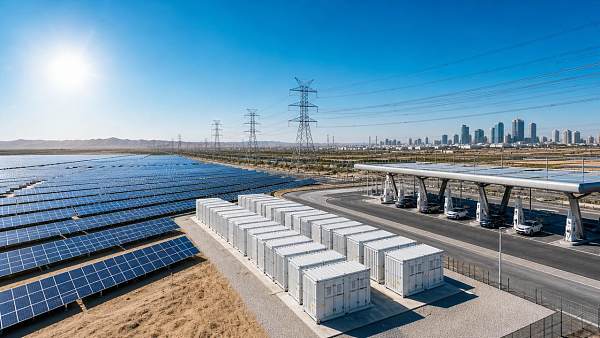
- Solar-heavy grids use BESS to absorb midday oversupply and support evening ramp demand.
- Wind-rich regions pair long-distance transmission with storage to smooth volatility and reduce curtailment.
- Mega charging and swapping stations use local storage to cut peak demand charges and support fast charging stability.
- Industrial hubs explore hydrogen reservoirs when electricity needs to become transportable fuel or process feedstock.
- Microgrids combine storage, controls, and distributed generation for resilience during outages or weak-grid conditions.
Across these scenarios, the same principle holds. The most valuable reservoir is usually the one that solves a specific bottleneck with measurable dispatch, reliability, or market benefits.
What to examine before moving forward
A sound review starts with system fit, not equipment brochures. It helps to test renewable energy reservoirs against five questions that cut across finance, engineering, and operational risk.
Key screening points
- What mismatch is being solved: hourly balancing, congestion relief, resilience, or long-duration storage?
- Which revenue streams are realistic under current market rules and dispatch rights?
- How do safety standards, thermal design, and degradation assumptions affect bankability?
- What grid assets are required around the reservoir, including PCS, transformers, switchgear, and controls?
- Does the project create optionality for future VPP participation, EV integration, or hydrogen expansion?
That broader view is often the difference between a technically interesting installation and a durable infrastructure asset. ESGS’s intelligence model is useful here because it connects storage, transmission, charging, and dispatch into one decision framework instead of treating them as isolated markets.
A clearer next step for evaluation
Renewable energy reservoirs should be assessed as part of a full energy movement chain, from generation capture to conversion, transport, control, and final demand response. That makes the topic larger than storage alone, but also more practical to evaluate.
The most useful next step is to map one real operating scenario, then test which reservoir type matches its duration, response speed, safety threshold, and monetization path. From there, compare the supporting grid equipment and policy conditions that determine whether value remains theoretical or becomes bankable.
In a power system shaped by variable renewables, fast charging growth, and zero-carbon infrastructure targets, renewable energy reservoirs are no longer background assets. They are becoming one of the clearest indicators of how flexible, investable, and future-ready an energy system really is.
Related News
 Renewable Energy Reservoirs: Benefits, Limits, and Grid ValueMr. Orion SterlingRenewable energy reservoirs explained: discover their benefits, limits, and real grid value across batteries, hydrogen, EV fleets, and pumped hydro for smarter energy planning.
 Energy Hubs for Smart Cities: What Makes Projects BankableMr. Orion SterlingEnergy hubs for smart cities become bankable when grid integration, safe storage, realistic revenue, and compliance align. Learn what investors and buyers value most.
 Energy Transition Risks Reshaping Grid Investment in 2026Mr. Orion SterlingEnergy transition risks are reshaping grid investment in 2026. Explore how storage, transmission, charging, and hydrogen risks impact returns, resilience, and bankable assets.
 Energy Market Insights: 5 Price Signals to Watch in 2026Mr. Orion SterlingEnergy market insights for 2026: discover 5 critical price signals shaping storage, grids, EV charging, and hydrogen—and make smarter investment decisions before volatility hits.
 When Energy Transition Consulting Delivers Measurable ROIMr. Orion SterlingEnergy transition consulting delivers measurable ROI by reducing risk, optimizing asset choices, and improving long-term returns across storage, grid, EV charging, and hydrogen projects.
 LCOS Analysis: What Really Drives Battery Project ROI?Mr. Orion SterlingLCOS analysis reveals what truly drives battery project ROI—utilization, degradation, augmentation, efficiency, and financing. Discover how to assess bankability and long-term returns.
![]() Renewable Energy Hubs: 2026 Market Shifts and Investment RisksMr. Orion SterlingRenewable energy hubs face major 2026 market shifts as investors focus on storage, grid resilience, EV demand, and hydrogen risks. See what makes projects bankable.
Renewable Energy Hubs: 2026 Market Shifts and Investment RisksMr. Orion SterlingRenewable energy hubs face major 2026 market shifts as investors focus on storage, grid resilience, EV demand, and hydrogen risks. See what makes projects bankable. Energy Arbitrage Explained: How Revenue Depends on Price SpreadsMr. Orion SterlingEnergy arbitrage explained: learn how price spreads, efficiency, timing, and market rules shape real battery storage returns—and how to judge profitable opportunities.
 Grid-Scale BESS Cost Drivers in 2026: Capex vs Lifetime ValueMr. Orion SterlingGrid-scale BESS costs in 2026 go beyond capex. Discover what really drives lifetime value, LCOS, efficiency, warranty strength, and long-term project returns.
 Energy Transition Solutions: What Delivers ROI First?Mr. Orion SterlingEnergy transition solutions ranked by fastest ROI: see why grid-scale BESS leads, where EV charging wins, and when smart grid, UHV, or hydrogen make financial sense.
 Energy Transition Technologies: Which Options Scale Safely in 2026?Mr. Orion SterlingEnergy transition technologies in 2026: discover which options scale safely across BESS, UHV, EV charging, and hydrogen—and what to verify before investing.
![]() 2026 Energy Intelligence Trends Reshaping Grid Investment ReturnsMr. Orion SterlingEnergy intelligence is redefining 2026 grid returns. Discover how smarter dispatch, safety data, and flexible asset strategy can improve ROI across storage, charging, transmission, and hydrogen.
2026 Energy Intelligence Trends Reshaping Grid Investment ReturnsMr. Orion SterlingEnergy intelligence is redefining 2026 grid returns. Discover how smarter dispatch, safety data, and flexible asset strategy can improve ROI across storage, charging, transmission, and hydrogen.