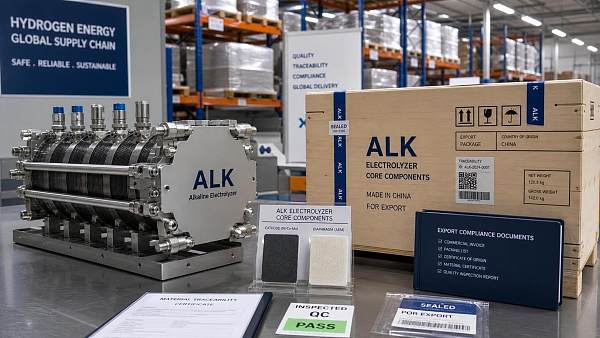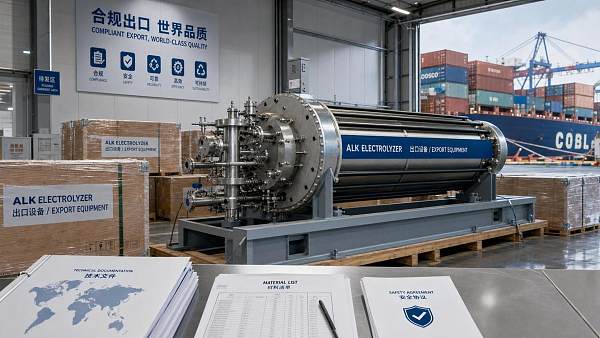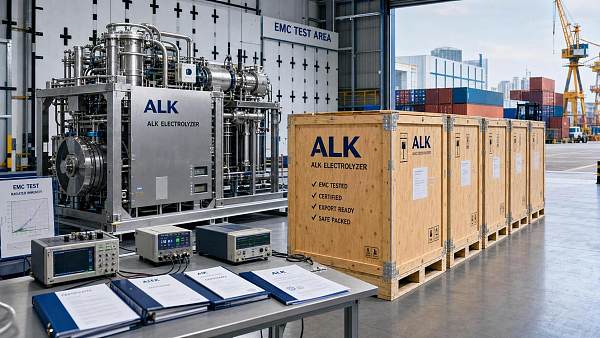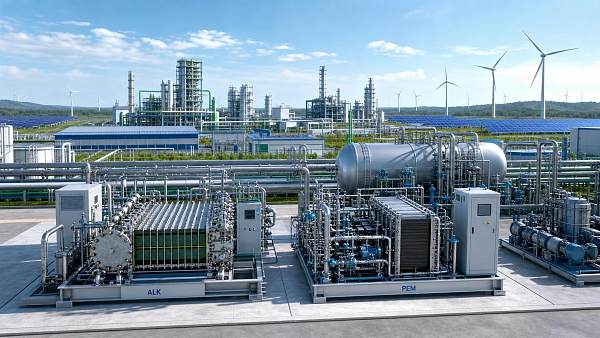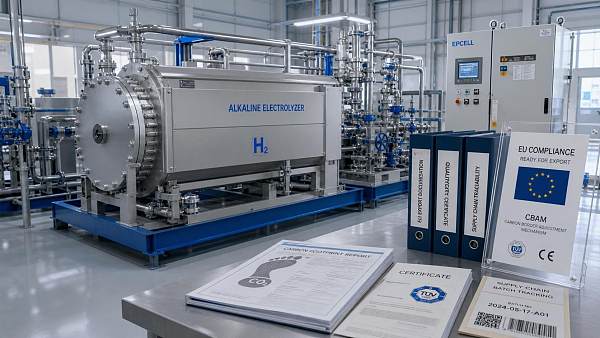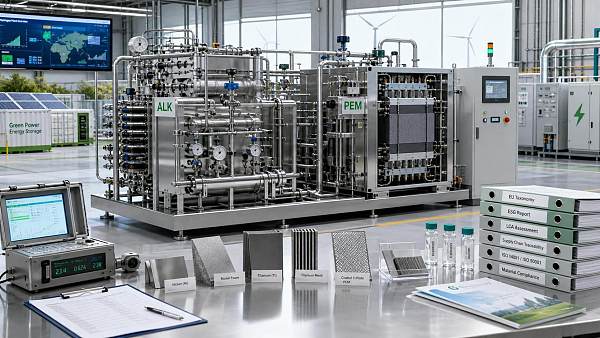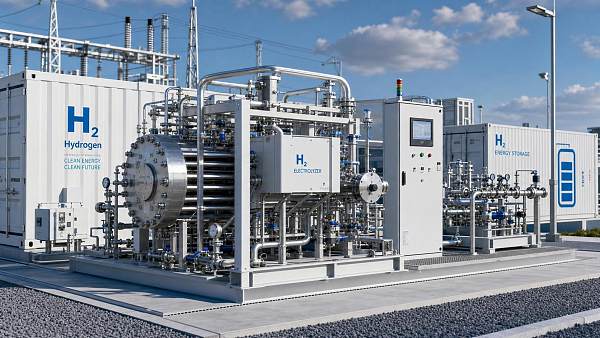
On June 2, 2026, the European Commission moved from market scrutiny to a formal trade-remedy process by opening an anti-subsidy investigation into ALK alkaline water electrolysis hydrogen equipment originating in China. The case matters not only as a policy development, but as a practical compliance and delivery issue for exporters, project buyers, procurement teams, and supply-chain participants involved in hydrogen projects in Germany, Spain, and Italy. What deserves closer attention is that the scope is defined by technical thresholds, which means product classification, bid documentation, and export planning may now require closer review before the preliminary finding expected in September 2026.
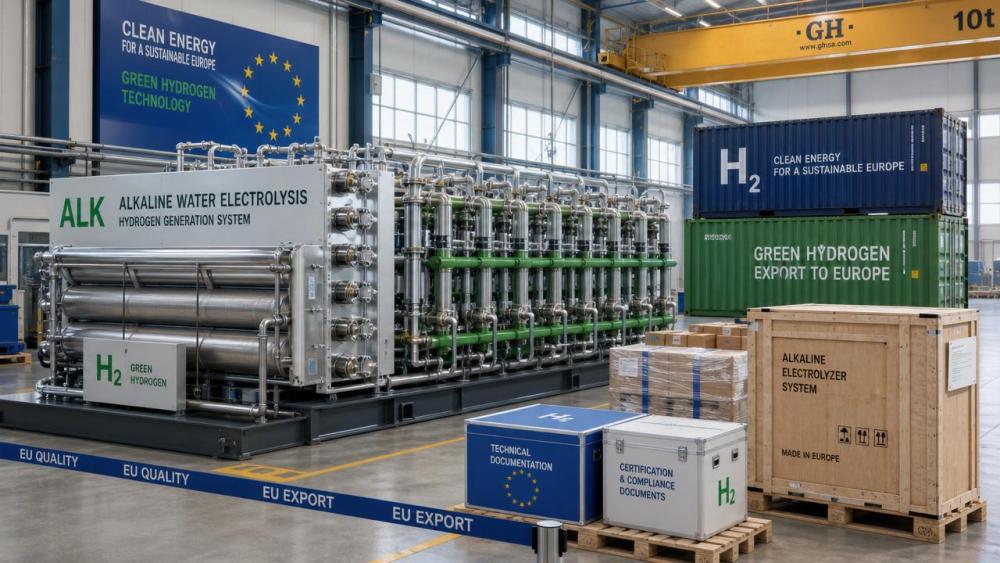
What has been formally put under investigation
According to the information provided, the European Commission officially launched an anti-subsidy investigation on June 2, 2026, covering ALK alkaline water electrolysis hydrogen equipment originating in China. A preliminary ruling is expected in September 2026.
The products concerned include ALK electrolyzer systems with a single stack of at least 1 MW and direct current energy consumption of no more than 4.5 kWh/Nm³. The development directly affects exports of Chinese ALK electrolyzers to hydrogen projects in Germany, Spain, and Italy.
The investigation is stated to rely on three subsidy findings: electricity price support, land-related preferential treatment, and research and development funding support. The title information further indicates that Chinese alkaline electrolyzer exports could face a provisional tariff of 12.8%.
Why the impact reaches beyond a customs issue
Exporters now face a narrower trade-compliance question
From an industry perspective, the immediate exposure falls on companies exporting covered ALK electrolyzer systems to the European market. The reason is straightforward: the case is tied to origin, product scope, and alleged subsidy treatment. In practice, the affected business steps may include product scope confirmation, export contract review, technical specification matching, and shipment timing. Companies in this position should closely check whether their products fall within the stated thresholds of single-stack capacity and direct current energy consumption, because that classification may influence trade treatment and customer decisions.
Project buyers and procurement teams may revisit supplier risk
For buyers, EPC participants, and procurement teams linked to hydrogen projects in Germany, Spain, and Italy, the issue is not limited to price. It may also affect supplier selection, bid comparison, landed-cost assumptions, and delivery planning. Analysis shows that once an investigation enters a formal stage, procurement teams may pay closer attention to origin-related exposure, contract terms, and whether technical documentation clearly supports product classification. Even where no final measure has been decided, the investigation itself can become a factor in internal approval and sourcing review.
Manufacturing and supply-chain service providers may see document pressure increase
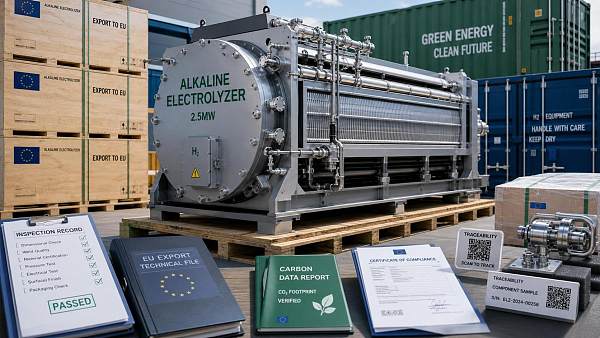
Manufacturers, logistics providers, and other supply-chain service companies connected to cross-border delivery may also be affected because trade cases often increase the practical importance of records and traceability. Observably, the relevant pressure points may include origin documentation, technical files, shipment records, and consistency between commercial paperwork and product specifications. This does not mean new execution rules have already been fully defined in the provided information, but it does indicate that document accuracy may become more important during the investigation period.
After-sales and technical support functions should watch project-side requirements
After-sales teams and technical support providers may also need to monitor changes in project documentation or customer-side review requirements. If buyers begin reassessing covered equipment categories or delivery schedules, service arrangements, spare-parts planning, and acceptance-related communication could come under closer review. Here again, this is an analytical observation rather than a confirmed execution outcome.
What companies should review before the preliminary ruling
Recheck whether products fit the stated technical scope
The provided case description gives technical boundaries for the products concerned. Companies should therefore review whether exported or quoted systems match the thresholds of single stack ≥1 MW and direct current energy consumption ≤4.5 kWh/Nm³. This is a practical first step because scope confirmation can affect sales planning, tender participation, and contract review.
Keep technical and commercial documents consistent
What deserves closer attention is the consistency of technical datasheets, bid files, commercial invoices, and product descriptions. Where an investigation is tied to a defined product category, mismatches between performance descriptions and trade documents may create avoidable compliance risk. The available information does not provide a detailed documentary standard, so this should be understood as a precautionary review area rather than a confirmed formal requirement.
Track official wording ahead of the September 2026 preliminary stage
Because the preliminary ruling is expected in September 2026, companies with exposure to the covered trade flow should closely monitor official updates, especially any clarification on scope, treatment, and execution language. It is more appropriate to understand the current situation as an active regulatory signal rather than a completed result. For that reason, commercial decisions that depend on European project timing may need more frequent reassessment.
Review procurement, delivery, and customer communication arrangements
Exporters and project-facing teams may also need to revisit delivery schedules, quotation validity, and customer communication around trade risk. Analysis shows that even before a preliminary outcome, counterparties may ask more questions about origin, supply continuity, or possible cost changes. The current information does not confirm any finalized execution path, so companies should focus on preparedness and transparency rather than assuming a fixed outcome.
How this development is best understood at this stage
Observably, this is more than a routine market headline because it introduces a formal trade-remedy process tied to a specific equipment category and technical scope. At the same time, it should not yet be treated as a fully settled market rule. The investigation has begun, and the preliminary ruling is still pending. From an industry perspective, the stronger signal today is that trade compliance, product classification, and procurement review are becoming more central for ALK electrolyzer business linked to Europe.
It is also worth noting that the case is framed around identified subsidy categories rather than around general industrial competition alone. That makes the issue relevant not only for exporters, but also for any company whose project timetable, bid assumptions, or supplier qualification depends on stable cross-border execution.
Why the market should stay in a watch-and-review mode
In summary, this development is best read as a concrete execution signal with unresolved next steps. The confirmed facts already indicate a formal anti-subsidy investigation, a defined product scope, and a preliminary decision timeline. However, the practical market effect will depend on how the process develops and how buyers, exporters, and project teams translate it into procurement and delivery decisions. A neutral reading today is that companies with exposure to Chinese ALK electrolyzer exports to Europe should move from general awareness to active review, while avoiding assumptions beyond the information currently confirmed.
Basis of this article and what still needs verification
This article is generated based on the user-provided news title, event date, and event summary. For events of this kind, relevant source types typically include official announcements, publications from regulatory authorities, customs or trade-administration information, industry association updates, standard-setting documents, and reporting by authoritative media.
No specific official source link was provided in the input, so the exact official reference still needs to be continuously verified. What should continue to be monitored includes later policy details, the wording of the preliminary ruling expected in September 2026, any clarification of product-scope interpretation, possible changes in tender documents, market feedback from affected projects, and how companies adjust actual compliance and delivery arrangements.
Related News
 DOE Tightens ALK Import Traceability RulesHydrogen Tech ScientistDOE Tightens ALK Import Traceability Rules: learn how new U.S. origin declaration requirements for alkaline electrolyzers may affect exports, sourcing, customs clearance, and compliance planning.
 DOE Adds UL 62271-200 for Imported ElectrolyzersHydrogen Tech ScientistDOE Adds UL 62271-200 for Imported Electrolyzers: learn how the new U.S. rule affects ALK and PEM shipments, certification timing, compliance costs, and market access from Sept. 1, 2026.
 DOE Opens ALK Export Pre-Screening for Southeast Asia and Middle EastHydrogen Tech ScientistDOE opens ALK export pre-screening for Southeast Asia and the Middle East via H2Export Portal 3.0. Learn how the 72-hour compliance review can speed bids, reduce risk, and improve export readiness.
 DOE Opens Export Support for ALK Electrolyzer SuppliersHydrogen Tech ScientistDOE opens export support for ALK electrolyzer suppliers, covering up to 30% of certification, packaging, and pre-testing costs. See who qualifies and how to act before the 2026 deadline.
 Hydrogen Electrolyzer for Ammonia Plant: ALK vs PEM Selection FactorsHydrogen Tech ScientistHydrogen electrolyzer for ammonia plant selection starts here: compare ALK vs PEM on flexibility, purity, CAPEX, and lifecycle fit to choose the right solution with confidence.
 EU Funding Signals a New ALK Procurement ShiftHydrogen Tech ScientistEU funding and ALK procurement are reshaping the hydrogen market. Discover how EU Hydrogen Bank payouts boosted ALK electrolyzer orders and why modular Power-to-X systems are gaining ground.
![]() DOE Opens $420M ALK Export Loan TrackHydrogen Tech ScientistDOE Opens $420M ALK Export Loan Track: learn how the new DOE loan guarantee could reshape ALK electrolyzer exports, U.S. assembly strategy, foreign OEM access, and supply chain readiness.
DOE Opens $420M ALK Export Loan TrackHydrogen Tech ScientistDOE Opens $420M ALK Export Loan Track: learn how the new DOE loan guarantee could reshape ALK electrolyzer exports, U.S. assembly strategy, foreign OEM access, and supply chain readiness. ALK Electrolyzer Prices Fall as Export Rules TightenHydrogen Tech ScientistALK electrolyzer prices fall 12% as China boosts capacity, cuts lead times, and tightens export rules. Explore buyer risks, delivery shifts, and compliance impacts now.
 China Tightens ALK Export Checks for EU ShipmentsHydrogen Tech ScientistChina Tightens ALK Export Checks for EU Shipments: learn how new carbon data and Tier-2 traceability rules may disrupt EU-bound deliveries, impact compliance, and reshape export planning.
 EU Issues Final CBAM Transition Rules for ALK ElectrolyzersHydrogen Tech ScientistEU Issues Final CBAM Transition Rules for ALK Electrolyzers: learn how quarterly emissions reporting, traceability, and Q4 2026 verification will impact EU exports and compliance readiness.
 EU Moves to Bring Electrolyzers Into CBAMHydrogen Tech ScientistEU Moves to Bring Electrolyzers Into CBAM: learn how the 2027 proposal affects ALK and PEM electrolyzer suppliers, carbon reporting, ISO 14067 EPDs, and EU hydrogen project compliance.
 Hydrogen Electrolyzers ISO Certification ChecklistHydrogen Tech ScientistHydrogen electrolyzers ISO certification checklist: learn key standards, audit gaps, and practical steps to speed approval, reduce risk, and strengthen project credibility.